
Raising heritage breeds helps you preserve essential genetic diversity that supports resilient, adaptable farms. These breeds often have natural resistance to diseases and excel in low-input, eco-friendly systems, which can boost your farm’s sustainability and profitability. They also contribute to ecological balance and farm biodiversity, making your operations more resilient. By choosing heritage breeds, you support cultural traditions and future farming stability. Keep exploring to discover how you can maximize their productivity while safeguarding these invaluable genetic resources.

Get garden gear delivered free with Prime
- Fast, free delivery on millions of items
- Prime Video, Amazon Music and more included
- Member-only deals all year
Key Takeaways
- Raising heritage breeds preserves genetic diversity and cultural heritage, ensuring resilience against future environmental and disease challenges.
- Heritage breeds often require fewer inputs and chemicals, promoting sustainable and eco-friendly farming practices.
- They offer high-quality, flavorful products that support artisanal markets and local food systems.
- Incorporating heritage breeds enhances biodiversity, ecosystem health, and farm resilience through natural pest control and soil benefits.
- Balancing preservation with productivity involves selective breeding and management strategies to optimize both conservation and farm profitability.
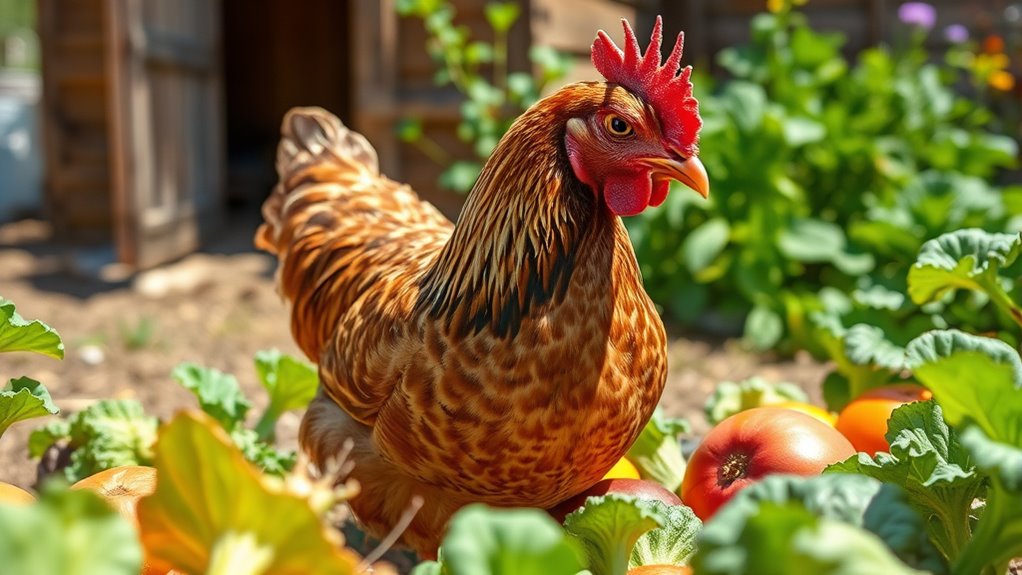
Have you ever wondered what makes certain breeds of animals special and worth preserving? The answer lies in their unique qualities and the essential role they play in sustainable farming. Heritage breeds are more than just old-fashioned or rare; they are living links to our agricultural history and hold keys to resilient, diverse food systems. When you choose to raise heritage breeds, you’re supporting the preservation of genetic diversity, which is critical for adapting to changing environments and challenges like climate change or disease outbreaks. Unlike commercial breeds bred for uniformity and high productivity, heritage breeds often possess traits like greater hardiness, adaptability, and natural resistance, making them valuable assets in sustainable farming practices.
By focusing on these breeds, you contribute to maintaining genetic diversity within livestock populations. This diversity acts as a safeguard, ensuring that future generations of farmers can access resilient animals capable of thriving in diverse conditions. Heritage breeds are often better suited to low-input, eco-friendly farming systems because they typically require fewer chemicals, medications, and intensive management. This aligns with the principles of sustainable farming, which aim to produce food efficiently while minimizing environmental impact. When you raise heritage animals, you’re not only preserving a piece of agricultural history but also promoting a more resilient and sustainable food supply chain.
Furthermore, heritage breeds often excel in producing high-quality meat, milk, or fiber, which appeals to consumers seeking artisanal or local products. Their slower growth rates and traditional rearing methods can translate into superior flavor and nutrition, adding value to your farm’s offerings. Additionally, *certifications and endorsements from beauty experts* highlight the importance of quality assurance can serve as a model for maintaining standards in livestock breeding. While they may not always match the rapid production of commercial breeds, their long-term benefits—such as lower input costs and environmental resilience—can enhance your farm’s sustainability and profitability over time.
In addition, raising heritage breeds encourages biodiversity on your farm, creating a more balanced ecosystem. These animals can play specific roles in pasture management, pest control, or soil health, contributing to a holistic approach to farming that benefits the entire environment. By preserving these breeds, you’re actively participating in a movement that recognizes the importance of genetic diversity for ecological stability and food security.
Ultimately, choosing to raise heritage breeds means valuing the richness of genetic heritage, supporting sustainable farming practices, and ensuring that valuable traits aren’t lost to modern industrial agriculture. You become part of a legacy that respects tradition, promotes resilience, and safeguards the future of diverse, healthy food systems for generations to come.
As an affiliate, we earn on qualifying purchases.
Frequently Asked Questions
How Do Heritage Breeds Compare to Commercial Breeds in Disease Resistance?
You’ll find that heritage breeds often have better disease resistance than commercial breeds, thanks to their greater genetic diversity. This diversity boosts their disease resilience, allowing them to withstand health issues more effectively. While commercial breeds are bred for productivity, heritage breeds maintain traits that help them survive in challenging environments. So, if you want animals that are naturally more resilient, heritage breeds are a smart choice.
What Are the Initial Costs of Raising Heritage Breeds?
Think of your initial investment as planting a seed—heritage breeds often demand higher startup expenses. You’ll need to budget for quality breeders, specialized feed, and possibly larger space requirements, which can make the initial costs steeper than commercial breeds. While these startup expenses may seem intimidating, they lay the foundation for sustainable, resilient livestock that can thrive with proper care and patience over time.
How Do Heritage Breeds Adapt to Climate Change?
Heritage breeds adapt to climate change through their genetic diversity, which offers a wide range of traits for resilience. You’ll find they withstand extreme weather better, thanks to their hardiness and adaptability. Their environmental resilience allows them to thrive in diverse conditions, reducing your need for extensive interventions. By maintaining these breeds, you support biodiversity and create a more sustainable farming system that can better cope with climate shifts.
Can Heritage Breeds Be Integrated Into Organic Farming Systems?
You can definitely integrate heritage breeds into organic farming systems, and it’s a win-win for sustainability. By focusing on sustainable grazing practices, you allow these breeds to thrive naturally while enhancing biodiversity on your farm. Heritage animals are well-suited to organic methods, helping improve soil health and reduce reliance on chemicals. In the long run, this approach strengthens your farm’s resilience, proving that sometimes, the proof is in the pudding.
What Are the Best Practices for Marketing Heritage Breed Products?
To effectively market heritage breed products, focus on strong heritage branding that highlights their unique history and quality. Connect with local markets where consumers value sustainable, local, and rare products. Share stories about your breeds’ traditions and benefits through social media, farm visits, and community events. Educate customers on the importance of preservation, making your products stand out as authentic, premium options they can feel good about supporting.
Conclusion
As you nurture heritage breeds, you might find it funny how their resilience and unique traits unexpectedly align with today’s farming challenges. It’s almost as if preserving these breeds isn’t just about history but also about securing your farm’s future. When you see a rare breed thriving under your care, it feels like a lucky coincidence—proof that tradition and innovation can go hand in hand. Embrace this journey; you’re part of something truly special.
Halloween Picks
halloween
As an affiliate, we earn on qualifying purchases.