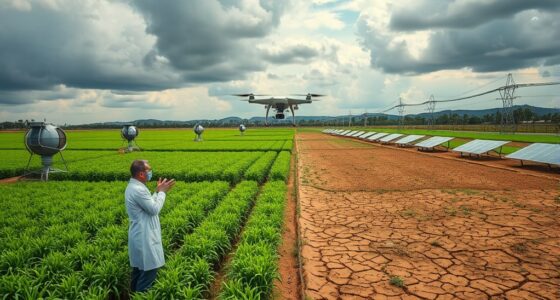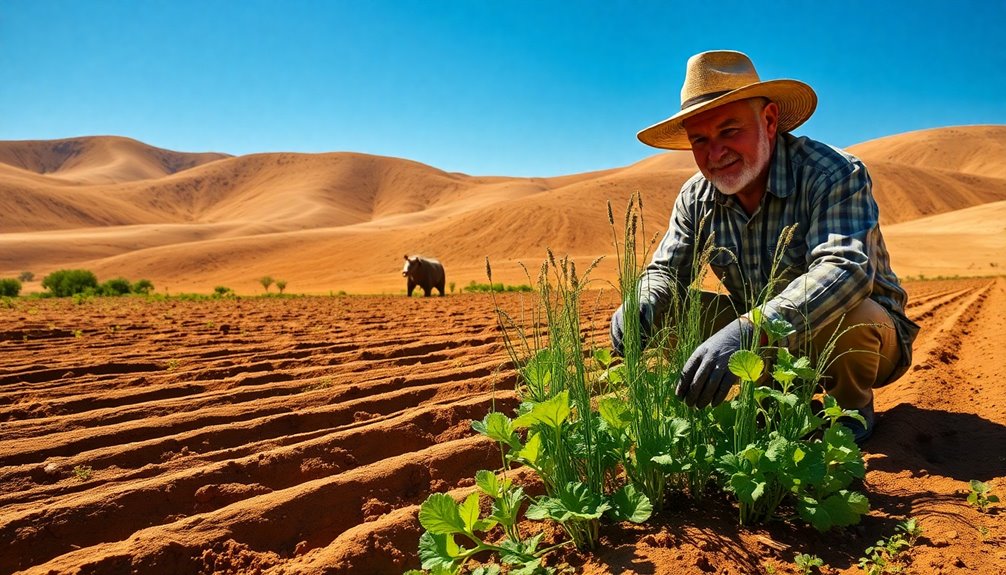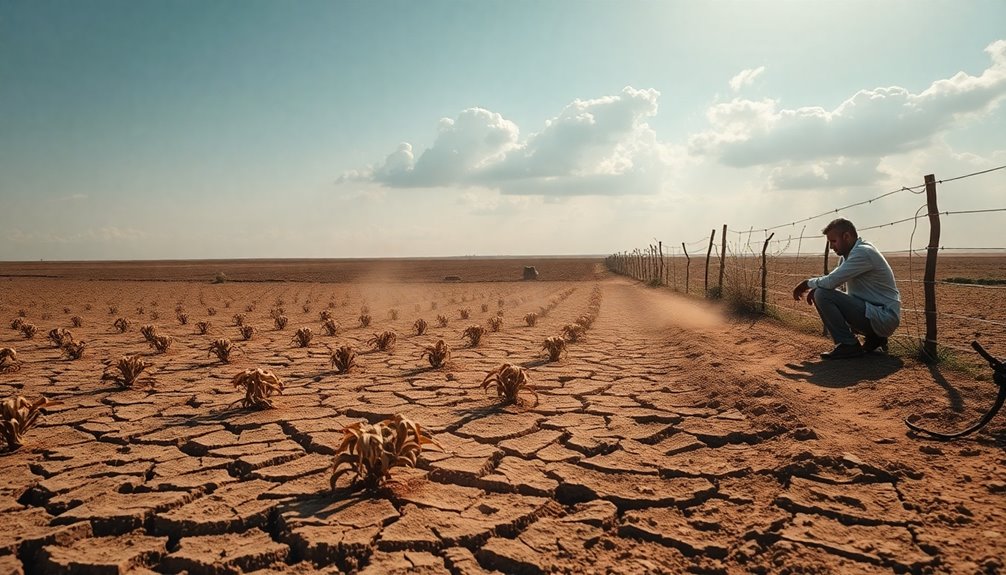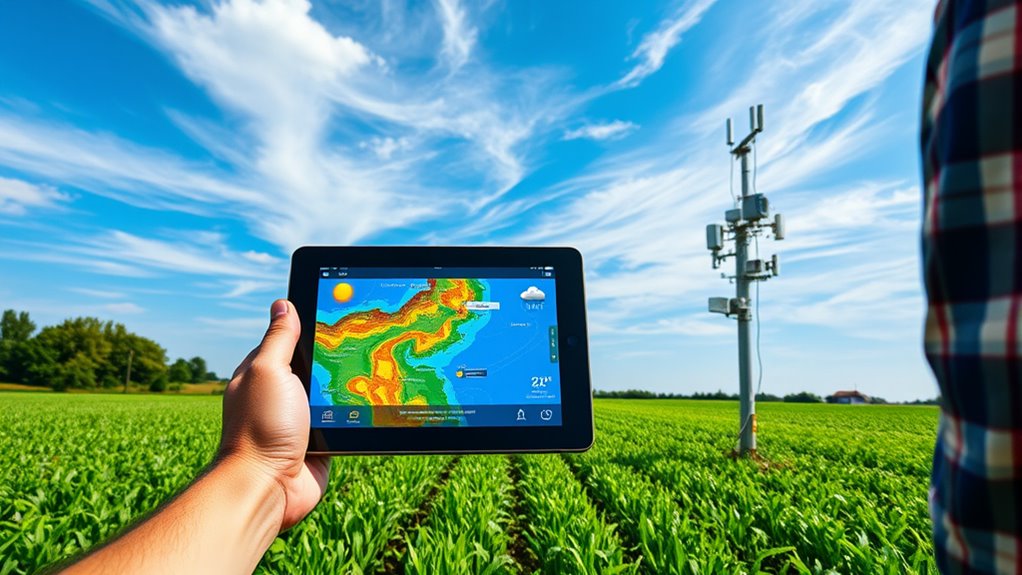
Using weather forecasting tools helps you make smarter farming decisions by providing real-time data on temperature, rainfall, and pests. These tools allow you to plan planting, irrigation, and harvest times more effectively, reducing crop loss and boosting yields. By anticipating weather challenges like cold fronts or droughts, you can take proactive actions to protect your crops. Keep exploring to discover how integrating these tools can transform your farm management strategies.
Key Takeaways
- Use weather forecasting tools to time planting, irrigation, and harvesting for optimal crop growth.
- Monitor real-time weather alerts to implement proactive measures against adverse conditions.
- Incorporate long-term climate data to plan crop rotations and select suitable varieties.
- Predict rainfall and temperature fluctuations to improve water management and reduce resource waste.
- Utilize weather platforms like Stormwatt to enhance decision-making and adapt to climate variability.
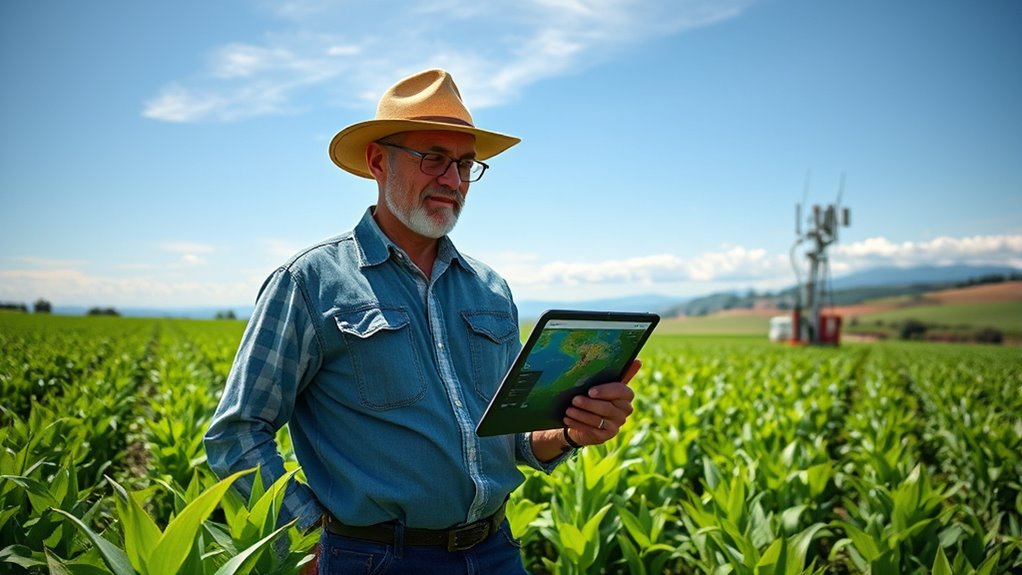
Accurate weather forecasting has become essential for modern farming, helping you make informed decisions about planting, irrigation, and harvesting. With reliable forecasts, you can better plan your activities, maximize resource use, and minimize risks associated with unpredictable weather patterns. One of the key benefits of these tools is their role in climate adaptation. By understanding upcoming weather trends, you can adjust your farming practices to suit changing conditions, whether it’s preparing for droughts, heavy rains, or early frosts. This proactive approach allows you to protect your crops and maintain productivity despite climate variability.
Weather forecasting tools also enhance crop yield prediction, giving you a clearer picture of what to expect throughout the growing season. When you have access to detailed forecasts, you can time your planting to coincide with ideal soil and weather conditions, reducing the chances of crop failure. Accurate predictions of rainfall and temperature fluctuations enable you to manage irrigation more efficiently—watering only when necessary and avoiding wastage. This precise management not only conserves water but also promotes healthier plant growth, ultimately boosting your overall yield.
Furthermore, these tools help you identify potential weather-related challenges well in advance. For example, if a forecast predicts a cold snap or a heatwave, you can implement protective measures such as covering vulnerable crops or adjusting your harvest schedule. Anticipating adverse conditions means you’re less likely to suffer crop losses, and you can make strategic decisions that align with forecasted trends. In addition, weather data can inform pest and disease management strategies, as many issues are climate-dependent. By monitoring forecasted humidity and temperature, you can stay ahead of outbreaks and apply treatments more effectively.
Using weather forecasting tools isn’t just about reacting to weather; it’s about integrating forecasts into your overall farm management plan. Many advanced platforms provide real-time data, customizable alerts, and long-term climate models that help you develop resilient practices. These insights are invaluable for planning crop rotations, choosing suitable varieties, and even scheduling fertilizer applications—ensuring that every decision aligns with upcoming weather patterns. Incorporating reliable weather data into your planning can significantly improve your farm’s resilience and productivity in the face of climate variability.

Davis Instruments Weather Forecasting Quick Reference Card
- Product Quality: Great product
As an affiliate, we earn on qualifying purchases.
As an affiliate, we earn on qualifying purchases.
Frequently Asked Questions
How Accurate Are Weather Forecasts Beyond Five Days?
Long-range accuracy drops considerably beyond five days, so you should expect forecast variability. Weather models become less reliable as they predict further into the future, making the details less precise. While you can get a general idea of upcoming trends, don’t rely on long-range forecasts for critical farming decisions. Instead, keep an eye on updated forecasts and use them as a rough guide to plan your activities accordingly.
Can Weather Tools Predict Pests or Plant Diseases?
Think of weather tools as your vigilant weather wizard, alerting you to pest prediction and disease alerts. While they can’t predict pests or plant diseases directly, they help you anticipate conditions that foster these issues. Warm, humid days signal pest activity, while sudden temperature drops may trigger disease outbreaks. By monitoring these alerts, you can act swiftly, protecting your crops before problems fully develop.
Are There Mobile Apps Specifically Designed for Farmers?
Yes, there are mobile apps specifically designed for farmers. These apps focus on mobile app development with user interface design that’s easy to navigate, even for those with limited tech experience. They provide real-time weather updates, crop management tips, and pest alerts. By choosing apps with intuitive interfaces, you can efficiently access crucial information, helping you make smarter farming decisions and improve your productivity on the field.
How Do Weather Tools Integrate With Existing Farm Management Systems?
You can integrate weather tools with your farm management system through sensor integration and data interoperability. By connecting weather sensors and forecasting platforms, you guarantee real-time data flows seamlessly into your existing system. This helps you make informed decisions quickly, optimizing irrigation, fertilization, and pest control. Look for tools that support standard data formats and APIs, making integration straightforward and enhancing your farm’s overall efficiency.
What Are the Costs Associated With Advanced Weather Forecasting Tools?
The cost implications for advanced weather forecasting tools can be significant, but they’re worth every penny. You might face high equipment expenses and subscription fees, especially for premium services. While initial investments can seem like a mountain, they often lead to better crop yields and fewer weather-related surprises. Consider these costs an investment in smarter farming, helping you make more informed decisions and ultimately boosting your farm’s profitability.
Conclusion
By harnessing weather forecasting tools, you hold the power to transform your farm’s future. Imagine dodging devastating storms, seizing perfect planting days, and turning your crops into a breathtaking abundance. These tools aren’t just helpful—they’re your secret weapon against nature’s surprises. Embrace them fully, and watch your farm flourish like never before. With these insights, you can conquer weather’s wildest whims and truly achieve farming greatness beyond your wildest dreams.