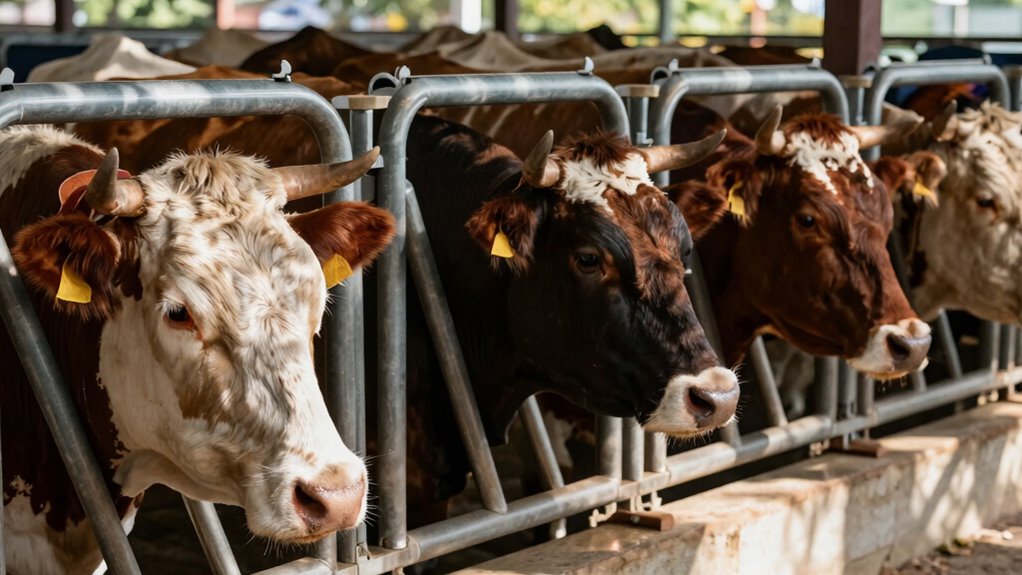

Head gates work best when cattle trust the flow into them, as trust reduces hesitation and resistance. You can build this trust by approaching animals calmly, using gentle signals, and establishing routines that promote calmness. Recognizing cattle’s body language helps you respond proactively, making handling smoother and safer. When animals feel secure, they’re more cooperative, which minimizes stress and injury risks. Keep going to learn how understanding cattle psychology can boost your head gate success even further.

Get garden gear delivered free with Prime
- Fast, free delivery on millions of items
- Prime Video, Amazon Music and more included
- Member-only deals all year
Key Takeaways
- Cattle are more likely to enter head gates smoothly when they trust the handling process.
- Building trust reduces resistance and stress during flow into the head gate.
- Calm, consistent handling enhances cattle confidence, facilitating easier flow into the gate.
- Recognizing and responding to cattle’s body language fosters trust and cooperation.
- Positive routines and environment promote trust, making head gate use more effective.
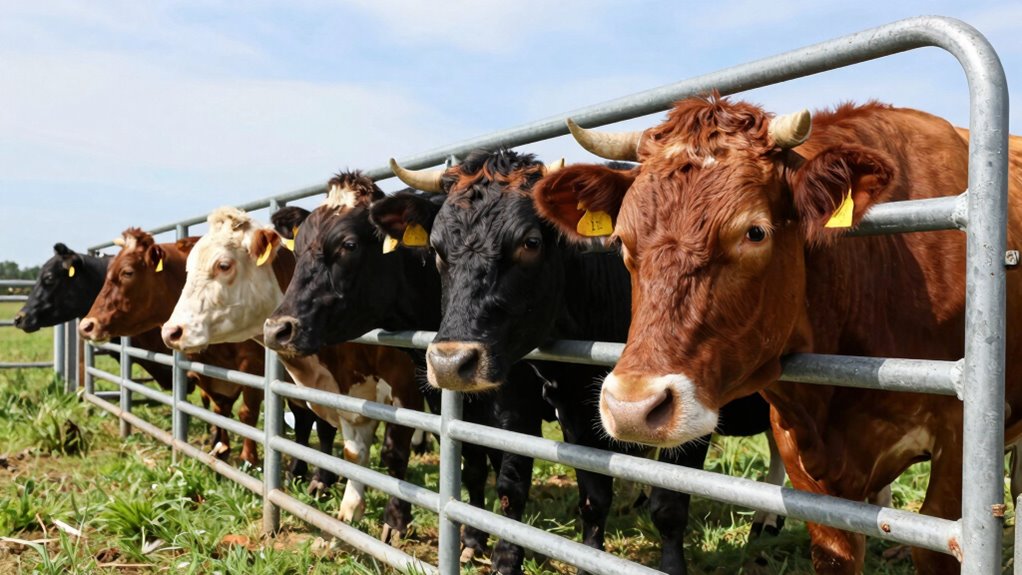
Head gates are most effective when cattle already trust the flow into them, making the process smoother and less stressful for both animals and handlers. When cattle are comfortable with the movement and understand what’s expected, you’ll notice fewer hesitations and less resistance. This trust hinges on good behavior management and a basic understanding of cattle psychology, which helps you guide animals more effectively. Cattle are naturally wary of unfamiliar situations, so building their confidence before using head gates is essential. If they’re anxious or unsure, they’ll resist more, making handling more difficult and increasing stress levels.
Building cattle confidence prior to head gate use reduces resistance and stress, ensuring smoother, more humane handling.
Understanding cattle psychology means recognizing how cattle perceive their environment and respond to their surroundings. They tend to be creatures of habit, so establishing routines that promote calmness and predictability can significantly improve behavior management. For example, approaching cattle calmly, speaking softly, and using consistent signals help create a sense of security. When cattle associate your presence and actions with positive experiences, they become more cooperative. As you work to develop their trust, they’ll be less likely to panic or try to flee when approaching the head gate. Recognizing animal behavior cues allows handlers to respond proactively and reinforce positive interactions.
To get cattle comfortable with the flow into the head gate, start by training them to move through familiar pathways or chutes. Use gentle pressure and positive reinforcement, such as treats or pats, to encourage smooth movement. Over time, cattle learn that following your cues leads to less discomfort and a quicker process. This reduces their instinct to fight or flee, which is rooted in their natural behavior management instincts. When handling cattle in this way, you’re tapping into their psychology—creating an environment where they feel less threatened and more willing to cooperate.
It’s also important to pay attention to their body language. Signs of stress or discomfort, like pawing the ground, head tossing, or rapid breathing, indicate they’re not ready to proceed. By recognizing these cues early, you can adjust your approach, calm them down, and reinforce positive behavior. When cattle trust the flow into the head gate, they’re less likely to panic, and you’ll find that the entire process becomes more efficient and humane. This approach benefits everyone involved—reducing stress, minimizing injury, and making cattle handling safer and more predictable. Ultimately, understanding cattle psychology and applying effective behavior management techniques are key to ensuring the head gate works most effectively.
As an affiliate, we earn on qualifying purchases.
Frequently Asked Questions
How Do I Introduce Cattle to a New Head Gate?
To introduce cattle to a new head gate, start by observing their behavior and ensuring the equipment is well-maintained for safety. Gradually get them accustomed by placing feed or treats near the gate, encouraging curiosity without pressure. Use calm, confident movements to guide them, reducing stress. Over time, they’ll develop trust in the flow, making the process smoother. Consistent maintenance and patience are key to successful cattle introduction.
What Signs Indicate Cattle Trust the Head Gate?
When cattle show calm behavior around the head gate, like relaxed posture and steady eye contact, it indicates they trust the flow into it. They won’t resist or try to pull away, which signals good head gate safety. Watch for smooth, natural movements and minimal signs of stress. These cues suggest your cattle are comfortable, making handling safer and easier for everyone involved.
How Long Does It Take for Cattle to Trust a Head Gate?
It typically takes several days to a week for cattle to trust a head gate, depending on their behavioral cues and previous experiences. You should observe signs like calmness and relaxed posture during training, which indicate growing trust. Use consistent training techniques, like gentle handling and positive reinforcement, to help them adjust. Patience and gradual exposure are key, allowing cattle to learn that the head gate is safe and non-threatening.
Can Head Gate Design Influence Cattle Trust?
Yes, head gate design can influence cattle trust through behavior modification and improved ergonomics. When you optimize the design, cattle feel less stressed and more comfortable, speeding up trust-building. Features like smooth, rounded edges and easy-to-operate latches reduce sudden movements, encouraging calmer behavior. By focusing on ergonomic design, you help cattle associate the head gate with positive experiences, ultimately making handling safer and more efficient for you.
What Are Common Mistakes in Head Gate Training?
The most common mistakes in head gate training include rushing the process and neglecting behavior reinforcement, which can cause cattle to become wary or resistant. You might also overlook equipment maintenance, leading to sudden or loud movements that scare cattle. To prevent this, take your time, consistently reinforce calm behavior, and regularly check that all equipment functions smoothly. Patience and proper upkeep build trust, making cattle more comfortable with the head gate.
Conclusion
Remember, a head gate works best when cattle trust the flow into it. Trust comes from patience, consistency, and calm handling. When your cattle trust you, they’ll willingly move into the head gate, making the process smoother for everyone. Trust builds confidence, confidence builds cooperation, and cooperation makes your work easier. So, focus on building trust first, and the head gate will serve you better. Trust the process, and success will follow.
Columbus Day / Indigenous Peoples' Day Picks
long weekend sales
As an affiliate, we earn on qualifying purchases.