To recover from heat stress in cattle and goats, guarantee they have plenty of shade and good airflow to help cool down. Provide access to cool, clean water and offer easily digestible, energy-rich feeds with electrolytes. Use supplements like antioxidants and electrolytes to support hydration and reduce stress. Monitor their behavior for signs of discomfort, and adjust management practices accordingly. Continuing with these strategies can help your animals recover quickly and build resilience against future heat events.
Key Takeaways
- Provide ample shade and increase airflow to help animals cool down quickly.
- Offer cool, clean water and electrolyte supplements to maintain hydration levels.
- Feed easily digestible, nutrient-rich diets with electrolytes to support recovery.
- Monitor animal behavior and body condition regularly to detect lingering heat stress effects.
- Implement long-term strategies like selective breeding for heat tolerance and environmental management.
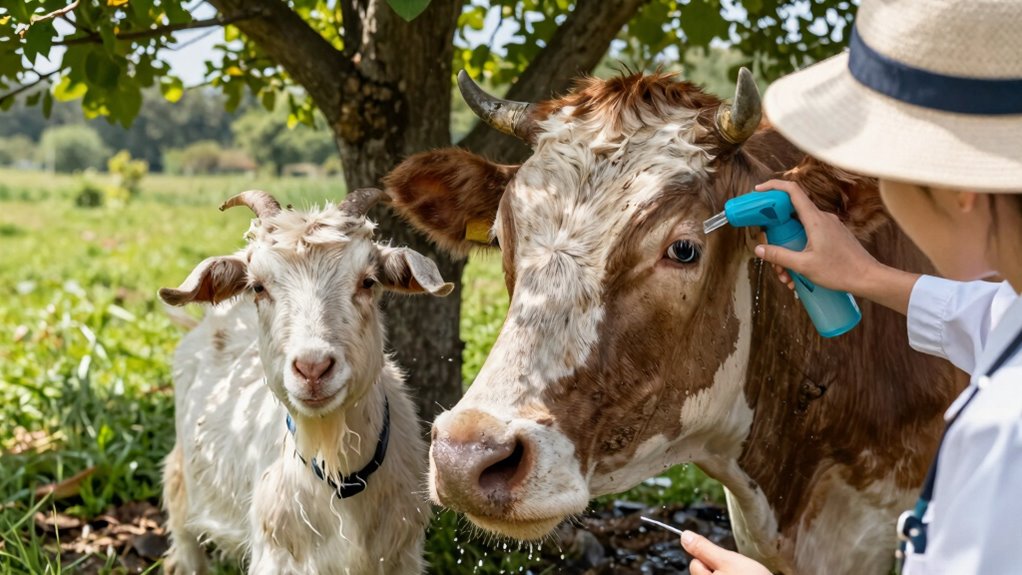
When cattle and goats experience heat stress, quick and effective recovery steps are essential to restore their health and productivity. The first priority is to reduce their body temperature and alleviate discomfort. Providing ample shade, increasing airflow, and ensuring access to cool, clean water helps them recover faster. After stabilizing their immediate environment, focus on their nutritional needs. Nutritional adjustments are vital because heat stress can reduce feed intake and impair digestion, leading to decreased productivity. Offering high-quality, easily digestible feeds that are rich in energy, electrolytes, and vitamins can support their recovery. Incorporate mineral supplements to replace lost electrolytes, especially sodium, potassium, and chloride, which are crucial for maintaining hydration and physiological functions. Additionally, feeding smaller, more frequent meals can prevent digestive overload and encourage better nutrient absorption.
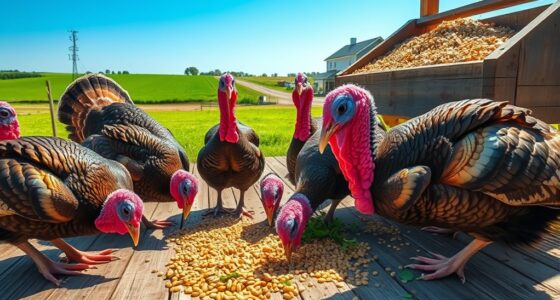
Providing easily digestible, nutrient-rich feeds with electrolytes supports cattle and goats’ quick recovery from heat stress.
Beyond immediate dietary changes, consider long-term strategies to improve resilience against future heat stress. Breeding strategies play a significant role here. Select animals with traits that confer heat tolerance—such as lighter coat colors, efficient thermoregulation, and adaptability to higher temperatures—when planning your breeding programs. These animals tend to cope better with heat stress, reducing recovery times and improving overall herd productivity. Incorporating genetic selection for heat tolerance can be a sustainable approach to minimize the impact of heat waves over time. Understanding animal adaptability and how traits influence heat tolerance is crucial for effective breeding programs.
Alongside breeding strategies, ongoing nutritional adjustments are essential. During peak heat periods, supplement diets with antioxidants like vitamin E and selenium to counteract oxidative stress caused by heat. Adding feed additives such as electrolytes or cooling supplements can also aid hydration and thermoregulation. Ensuring that your animals have constant access to fresh, cool water is non-negotiable, as hydration is key to recovery. Monitor their behavior—reduced activity, rapid breathing, or seeking shade—closely, and take immediate action if symptoms worsen.
Finally, keep a close eye on their overall health after the initial recovery phase. Regular body condition scoring and health checks help identify lingering effects of heat stress. Adjust your management practices accordingly—such as modifying grazing times or providing additional shade—to prevent re-stressing your livestock. By combining proactive nutritional adjustments with strategic breeding efforts, you enhance their ability to withstand heat stress, ensuring quicker recoveries and sustained productivity, even during extreme weather conditions.

WECOOL Solar Exhaust Fan, 15W Dual Exhaust & Intake Ventilation Fan, Quiet Waterproof with Safe Grille for Chicken Coop, Greenhouse, Shed, Dog House, No Assembly Required
- Dual Intake & Exhaust Modes: Supports both airflow directions
- Instant High-Speed Cooling: Rapidly lowers enclosure temperature
- Whisper-Quiet & Pet-Safe: Quiet operation with safety grille
As an affiliate, we earn on qualifying purchases.
As an affiliate, we earn on qualifying purchases.
Frequently Asked Questions
How Can I Prevent Heat Stress in Young or Pregnant Animals?
To prevent heat stress in young or pregnant animals, make certain they have constant access to shade management, like trees or shelters, to reduce exposure to direct sunlight. Keep water accessible at all times, encouraging frequent drinking to stay hydrated. Monitor their behavior for signs of heat stress, and adjust their environment accordingly. Providing proper shade and water accessibility helps maintain their health and comfort during hot weather.
Are There Specific Breeds More Resistant to Heat Stress?
You’ll find that breeds with higher resilience to heat stress possess specific genetic traits that help them adapt better. Bos indicus breeds, like Brahmans, are more resistant due to traits like loose skin and higher sweat gland activity. These breed resilience factors make them better suited for hot climates. Selecting animals with these genetic traits can considerably reduce heat stress risks and improve overall productivity in hot environments.
What Are Signs of Heat Stress in Dairy Versus Meat Cattle?
Think of heat stress signs in cattle like a fire alarm going off. Dairy cattle often show rapid breathing, drooling, and decreased milk production, while meat cattle might exhibit open-mouth breathing, lethargy, and reduced feed intake. Genetic resistance varies among breeds, aiding climate adaptation. Recognizing these symptoms early helps you implement recovery steps, ensuring your cattle stay comfortable and healthy amid rising temperatures.
How Does Humidity Affect Heat Stress Recovery?
Humidity impact markedly affects heat stress recovery, as high humidity hampers animals’ ability to cool down through evaporation. When humidity is elevated, your recovery strategies should prioritize increasing airflow and providing shade, ensuring animals stay dry. Monitor for signs of lingering heat stress, and adjust water availability to encourage drinking. By managing humidity effectively, you help cattle and goats recover faster, reducing health risks and improving overall well-being.
Can Dietary Supplements Help Animals Recover Faster From Heat Stress?
Think of dietary supplements as your animal’s secret weapon—like a medieval alchemist’s potion. Nutritional interventions can indeed help animals recover faster from heat stress, as they support hydration and electrolyte balance. The key is supplement efficacy; choose high-quality options tailored for heat stress. These supplements boost resilience, reducing recovery time and improving overall health, making sure your cattle and goats bounce back quicker from the heat’s toll.
Conclusion
Just like a marathon runner needs water and rest to finish strong, your cattle and goats require proper recovery steps after heat stress. Imagine a farmer who, after noticing his goats panting in the midday sun, quickly provided shade and fresh water. Within hours, they perked up, showing resilience. Remember, timely intervention isn’t just about comfort—it’s about safeguarding health and productivity. Your swift actions turn the heat’s challenge into a story of recovery and robustness.