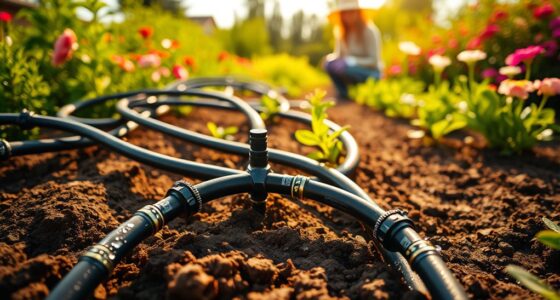

To spot nutrient problems early, regularly test your soil to check nutrient levels and pH, and monitor your plants for visual signs like yellowing leaves, uneven growth, or browning edges. Combining soil analysis with close observation helps you catch issues before plants stall or show severe stress. Consistent monitoring keeps your plants healthy and prevents problems from escalating. Keep exploring for more tips on maintaining ideal plant health and avoiding nutrient deficiencies.

Get garden gear delivered free with Prime
- Fast, free delivery on millions of items
- Prime Video, Amazon Music and more included
- Member-only deals all year
Key Takeaways
- Conduct regular soil tests to monitor nutrient levels, pH, and overall soil health.
- Observe visual cues such as yellowing, browning leaf edges, or uneven growth patterns.
- Compare plant growth with expected healthy development for early signs of stress.
- Use quick nutrient deficiency indicators like leaf color changes for immediate detection.
- Combine visual observations with periodic soil testing for accurate diagnosis and timely intervention.
Have you ever wondered how to catch nutrient problems early before your plants show signs of stress? The key lies in proactive monitoring—using soil testing and paying close attention to visual cues. Soil testing provides concrete data on nutrient levels, pH, and overall soil health. By testing your soil regularly, especially before planting and during the growing season, you gain insight into what nutrients are available and what might be lacking. This prevents deficiencies from developing into serious problems that could stunt growth or cause plant failure. Many garden centers and agricultural supply stores offer quick, affordable soil test kits, or you can send samples to a lab for more detailed analysis. Once you understand your soil’s composition, you can amend it as needed, ensuring your plants have the right nutrients from the start.
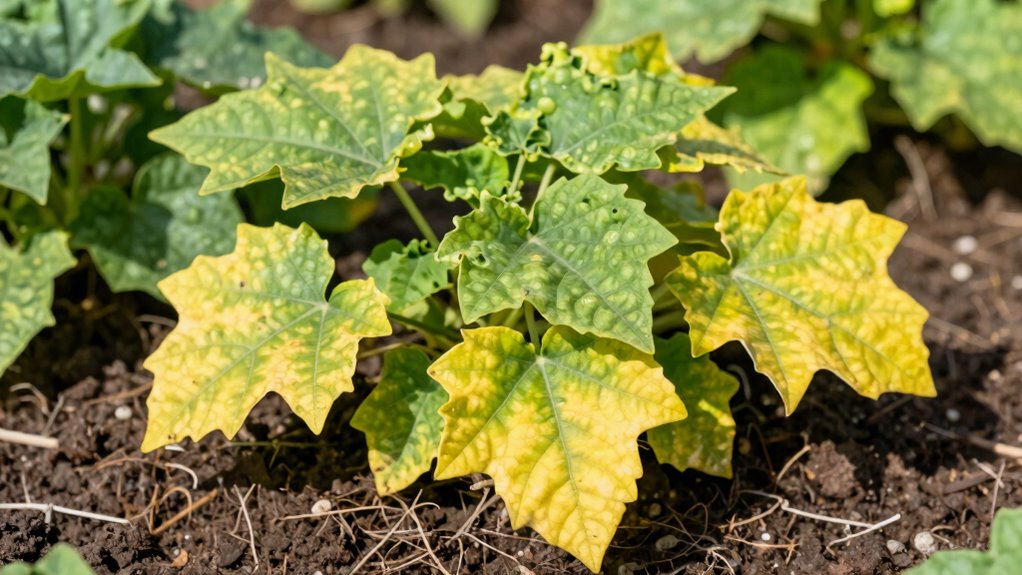
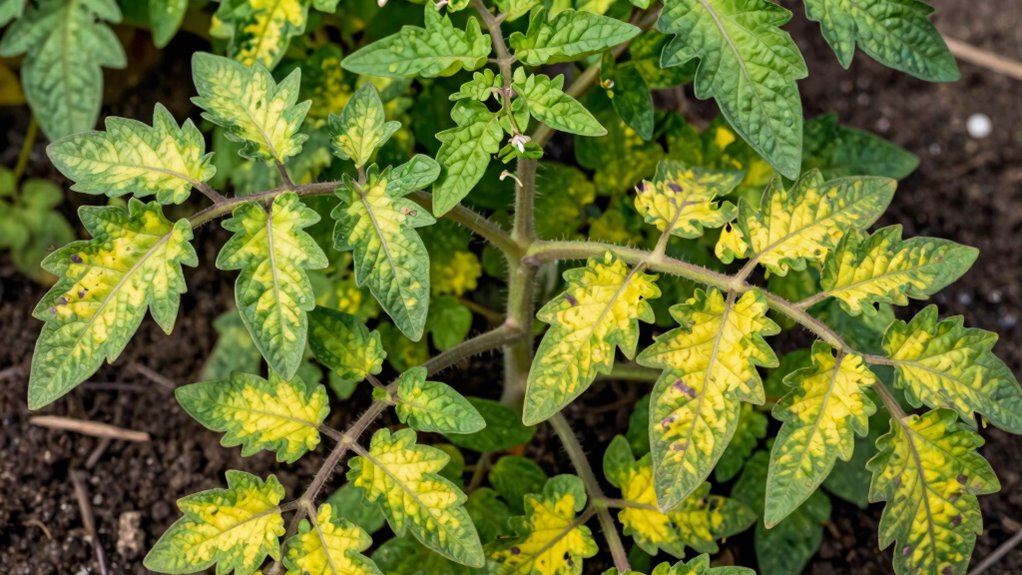
But soil testing isn’t the only tool at your disposal. Visual cues are equally important for early detection. As you tend to your plants, keep an eye out for subtle changes in their appearance. Pale or yellowing leaves might indicate nitrogen deficiency, while dark green veins with pale leaf tissue could signal potassium issues. Wilting, uneven growth, or leaf edges turning brown or scorched are also signs that nutrients may be out of balance. Recognizing these visual cues early allows you to adjust fertilization or soil amendments before the problem worsens. It’s important to note that some symptoms can mimic other issues, like pests or diseases, so combining visual observations with soil testing gives a more accurate diagnosis.
Regularly inspecting your plants and understanding what healthy growth looks like for each species is essential. Take note of any irregularities and compare them to the expected growth patterns. If you notice consistent changes across multiple plants, it’s time to investigate further with soil tests. Monitoring soil health through testing methods is crucial for maintaining optimal nutrient levels and ensuring plant vitality. The combination of scientific data and keen observation helps you catch nutrient problems early—long before your plants start to stall or show obvious signs of distress. This proactive approach not only promotes healthier plants but also saves you time, effort, and resources in the long run. By integrating soil testing with attentive visual cues, you become more confident in managing your garden’s nutrient needs, ensuring your plants thrive throughout their entire growth cycle.
As an affiliate, we earn on qualifying purchases.
Frequently Asked Questions
How Often Should I Test My Soil for Nutrient Deficiencies?
You should test your soil for nutrient deficiencies at least once a year, ideally before planting season. Regular testing helps you monitor soil pH and identify nutrient imbalances early. Adjust your fertilizer types accordingly, based on test results, to prevent deficiencies. If you notice stunted growth or yellowing leaves, consider testing more often—every few months—to catch issues before plants stall and guarantee healthy, vigorous growth all season.
Can Environmental Stress Mimic Nutrient Deficiency Symptoms?
Environmental stress can definitely mimic nutrient deficiency symptoms in your plants. When plants face stressors like drought, extreme temperatures, or root damage, they may show signs similar to nutrient deficiencies, such as yellowing leaves or stunted growth. To accurately diagnose, observe the overall plant health, consider recent environmental conditions, and perform soil tests. Address the environmental stress first, then re-evaluate to see if symptoms persist, ensuring you target the real issue.
What Are the Early Signs of Nutrient Imbalances in Plants?
You can spot early signs of nutrient imbalances by observing your plants for yellowing leaves, stunted growth, or irregular coloration. Regular foliar analysis helps detect deficiencies before they become severe. Meanwhile, healthy root systems indicate proper nutrient uptake. If roots are brown or rotting, it signals potential problems. By monitoring these signs and conducting tests, you catch issues early, allowing timely adjustments to keep your plants thriving.
Does Watering Frequency Affect Nutrient Uptake?
Watering frequency influences nutrient uptake through root absorption and water solubility. When you water too often, you may wash away essential nutrients or create oxygen-poor soil, hindering roots. Water too infrequently, and roots struggle to absorb nutrients effectively. Striking the right balance ensures nutrients stay accessible, promoting healthy growth. Consistent watering encourages ideal root absorption and maintains water solubility, so your plants can effectively take in crucial nutrients and thrive.
Are Some Plant Varieties More Prone to Nutrient Problems?
Some plant varieties are more prone to nutrient problems due to variety susceptibility and genetic factors. You might notice that certain cultivars struggle with nutrient uptake or deficiency symptoms earlier than others. To prevent issues, select varieties known for their resilience, and monitor them closely. Understanding the genetic traits influencing nutrient needs helps you tailor your care, ensuring healthier plants and reducing the risk of stalling or deficiencies.
Conclusion
By staying vigilant and regularly checking your plants’ leaves and growth patterns, you can catch nutrient issues early. Are you really willing to let your plants struggle when a simple observation can save the day? Paying attention now guarantees lush, healthy growth later. Don’t wait until signs become severe—your plants depend on your proactive care. After all, isn’t it worth the effort to keep your garden thriving and vibrant?
Fall Picks
fall essentials
As an affiliate, we earn on qualifying purchases.