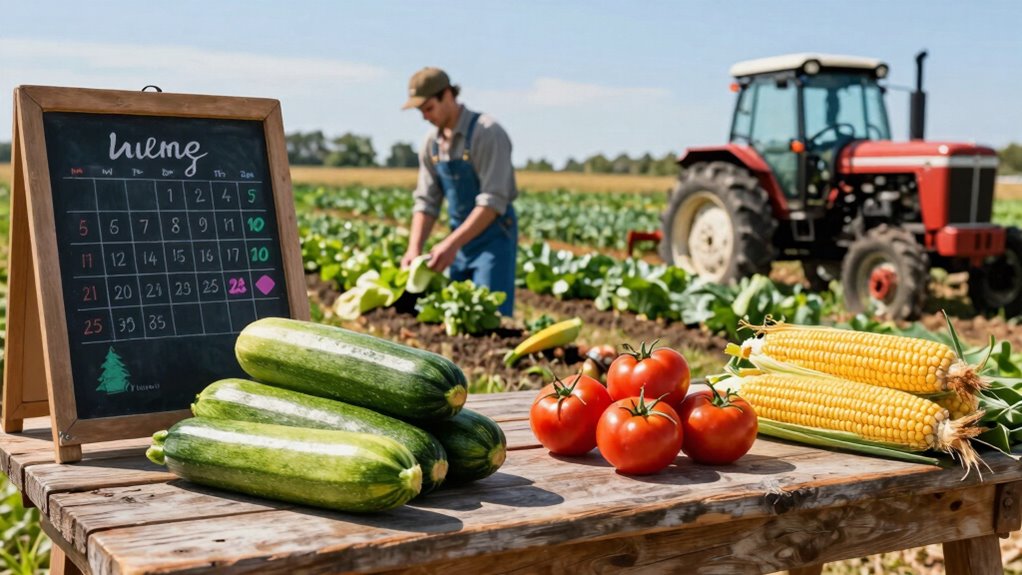
To build a better weekend catch-up plan on your farm, start by prioritizing urgent tasks like repairs and livestock care with a clear checklist. Schedule high-priority jobs early and batch similar chores to save time. Use tools like calendars or farm management apps to organize your day and allocate specific time blocks. Balance work with breaks and set realistic goals to prevent burnout. Keep tracking progress to stay on top—continue to discover tips for smoother weekends.

Get garden gear delivered free with Prime
- Fast, free delivery on millions of items
- Prime Video, Amazon Music and more included
- Member-only deals all year
Key Takeaways
- Prioritize urgent chores early and use checklists to stay organized and avoid missing tasks.
- Allocate specific time blocks for high-priority activities using calendars or farm management apps.
- Batch similar tasks and combine errands to maximize efficiency and save time.
- Plan crop rotation and soil preparation in advance to optimize planting schedules and soil health.
- Set realistic goals, break projects into smaller steps, and include buffer time for unexpected issues.

Weekends on the farm often feel like a brief window to catch up on chores and projects, but without a clear plan, they can quickly become overwhelming. To make the most of your limited time, you need a strategy that keeps you focused and efficient. Start by prioritizing tasks, distinguishing between urgent jobs and those that can wait. For example, if you’re behind on fence repairs or feeding livestock, tackle those first. Having a checklist helps you stay organized and guarantees nothing gets overlooked.
Prioritize urgent farm chores first and use a checklist to stay organized and focused on your limited weekend time.
When it comes to crop rotation, planning ahead is essential. Know which crops you want to plant and when, and create a schedule that maximizes soil health and reduces pest problems. If you’re behind on preparing beds or amending soil, allocate specific blocks of time to these tasks early in the weekend. Proper crop rotation not only improves yields but also minimizes the need for chemical inputs, saving you effort in the long run. Keep records of what you plant and when, so you can plan better for future seasons. Incorporating soil health principles can further enhance crop productivity and sustainability. Additionally, understanding soil nutrient management can help you optimize fertilization and improve overall crop growth.
Livestock management is another key area that demands attention. Check on your animals first thing, ensuring they’re fed, watered, and in good health. If you’re managing multiple species, make a routine that allows you to rotate your focus efficiently. For example, spend a set time cleaning pens, inspecting for injuries, and administering any necessary medications. Batch tasks like cleaning or feeding, rather than spreading them throughout the day, can save you time and reduce stress. Remember to record your livestock activities, so you can track health and productivity over time.
To streamline your weekend catch-up, consider batching similar tasks. For instance, combine errands like purchasing supplies with other chores nearby. Use tools like a calendar or farm management app to block out dedicated time slots for each activity. This prevents last-minute scrambling and helps you stay on track. Also, don’t forget to leave some buffer time for unexpected issues, such as equipment breakdowns or sudden weather changes. Incorporating technology tools can further enhance your planning and efficiency.
Lastly, set realistic goals for each weekend. Trying to do everything in one day is a recipe for burnout. Break larger projects into smaller, manageable steps, and celebrate small wins. With a clear plan that balances crop rotation, livestock management, and other chores, you’ll find yourself more organized and less stressed. Over time, this approach builds a sustainable rhythm, making every weekend productive and less overwhelming.
As an affiliate, we earn on qualifying purchases.
Frequently Asked Questions
How Can I Prioritize Tasks Effectively During Limited Weekend Time?
To prioritize tasks effectively during limited weekend time, focus on smart time management by listing essential chores first. Break larger tasks into smaller steps to stay organized. Delegate tasks where possible, asking family or workers for help so you can concentrate on high-priority activities. This approach guarantees you make the most of your limited time, tackling urgent chores first and avoiding burnout while maintaining farm productivity.
What Tools Assist in Planning Farm Catch-Up Activities Efficiently?
You can use planning tools like weather forecasting apps and equipment maintenance checklists to streamline your farm catch-up activities. Weather forecasts help you schedule outdoor tasks efficiently, avoiding bad conditions. Maintenance logs guarantee your equipment stays in top shape, preventing delays. Combining digital tools like farm management apps with traditional planners helps you organize tasks, set priorities, and stay flexible, making your limited weekend time more productive and less stressful.
How Do I Balance Rest With Productive Farm Work on Weekends?
You should prioritize rest strategies that help you recharge, like taking short naps or enjoying leisure activities that relax your mind. Balance these with planned, manageable farm tasks, so you stay productive without overexerting yourself. Scheduling leisure activities during downtime not only refreshes you but also prevents burnout. By intentionally blending rest and work, you’ll maintain energy and motivation, making your weekends both productive and restorative.
How Can I Involve Family Members in Weekend Farm Catch-Up Plans?
Think of your farm as a tapestry, with each family member weaving their unique thread. To involve them, assign tasks that match their skills, turning chores into family bonding moments. Share knowledge like passing down a treasured recipe, fostering skill sharing. This approach transforms weekend farm work into a shared adventure, strengthening bonds and making the workload lighter and more enjoyable for everyone involved.
What Contingency Plans Should I Prepare for Unexpected Farm Issues?
You should prepare for unexpected farm issues by prioritizing emergency preparedness and regular equipment maintenance. Keep a well-stocked first aid kit, emergency contact numbers, and a clear evacuation plan on hand. Regularly inspect and service your equipment to prevent breakdowns. Develop backup plans for power outages or weather disruptions, ensuring everyone knows their roles. Staying proactive with these measures helps you respond swiftly and keep your farm running smoothly during unforeseen problems.
Conclusion
By planning your weekend catch-up routine thoughtfully, you’ll find more time to enjoy your farm and connect with what matters most. Prioritize tasks, stay flexible, and remember, isn’t it worth making space for those simple, joyful moments? A well-structured plan doesn’t just keep things running smoothly—it rejuvenates your spirit and strengthens your bond with the land. So, why not start today and create weekends that refresh and inspire you?
Fall Picks
fall essentials
As an affiliate, we earn on qualifying purchases.