
TL;DR
Many gardeners notice their tomato plants produce flowers but no fruit. This article explains the common causes, confirmed by experts, and offers practical solutions to improve fruiting before the season ends.
Many tomato growers are observing a common problem: their plants are producing flowers but no fruit. This issue can significantly impact harvests as the season winds down. Experts confirm that environmental factors, plant health, and pollination issues are primary causes, and timely action can help maximize remaining yields. You might also find it helpful to read about keeping birds away from your fruit trees to prevent fruit loss.
According to horticultural specialists, the most frequent reason for tomato plants having flowers but no fruit is poor pollination, often caused by high temperatures, low humidity, or insufficient insect activity. Tomato plants rely on pollination to develop fruit, and adverse weather conditions can hinder this process. Additionally, over-fertilization with nitrogen can promote lush foliage and flowering but suppress fruit production, as confirmed by plant scientists.
Other confirmed factors include water stress—either too much or too little water— which can cause flowers to drop before setting fruit. Environmental stressors like sudden temperature fluctuations or excessive wind can also prevent flowers from developing into fruit. Gardeners are advised to observe their plants closely and adjust care routines accordingly, such as maintaining consistent watering and avoiding overfeeding with nitrogen-rich fertilizers. For additional protection, consider using orchard tree guards to shield your fruit trees.
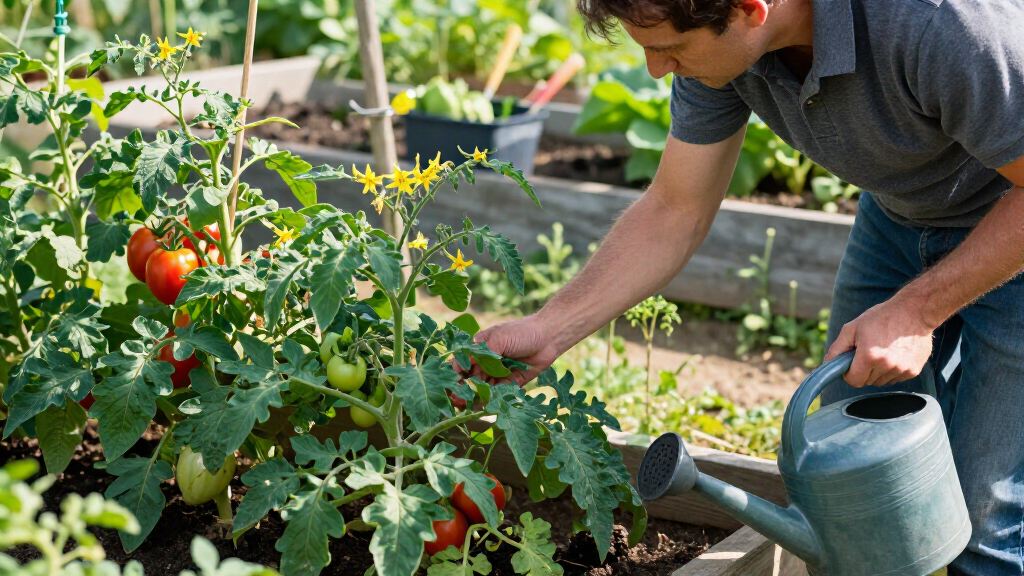
Experts recommend that gardeners take specific steps to improve pollination and plant health before the season ends. These include hand-pollinating flowers, ensuring adequate watering, providing shade during heatwaves, and using balanced fertilizers. Implementing these measures can help increase the chances of fruit set on remaining flowers.
Impacts of Flowering but No Fruit on Tomato Yields
This issue directly affects the quantity and quality of tomato harvests, especially for home gardeners and small-scale farmers relying on their crops. Understanding the causes and applying recommended solutions can help maximize yields before the growing season concludes. Additionally, addressing these problems early can prevent total crop loss and improve plant resilience for future seasons.
As an affiliate, we earn on qualifying purchases.
Common Causes of Poor Fruit Set in Tomatoes
Tomatoes typically produce flowers first, followed by fruit development. The transition from flower to fruit requires successful pollination, which can be disrupted by environmental conditions. Experts note that high daytime temperatures above 85°F (29°C) and low humidity are especially problematic, as they inhibit pollen viability. Historically, growers have faced similar issues during heatwaves or drought conditions, which reduce pollination success. Proper plant nutrition and watering practices are also crucial; excessive nitrogen encourages leafy growth but can delay or prevent fruiting. This problem is most prevalent in late-season gardens, where environmental stresses intensify as temperatures fluctuate and daylight decreases.
“High temperatures and inconsistent watering are the main culprits when tomato flowers fail to set fruit, even though they appear healthy and abundant.”
— Dr. Lisa Martinez, horticultural expert
Unconfirmed Factors and What Still Needs Clarification
While environmental causes like heat stress and watering are well-established, the precise impact of specific fertilizer regimes and pest activity on flower-to-fruit transition remains less clear. Researchers acknowledge that other factors, such as subtle variations in soil health or microclimate conditions, may also influence fruit set. Further studies are needed to quantify these effects and develop more targeted interventions.
Recommended Actions for Gardeners Before Season Ends
Gardeners are advised to implement hand-pollination techniques, especially during hot or windy days, to improve fruit set. Maintaining consistent watering and providing shade during peak heat can also help. Applying a balanced fertilizer with phosphorus and potassium supports fruit development. Monitoring environmental conditions closely and adjusting care routines accordingly can maximize remaining harvests. Experts suggest that these measures be taken promptly to improve outcomes before the end of the growing season.
Key Questions
Why are my tomato flowers not turning into fruit?
Common reasons include poor pollination caused by high temperatures, low humidity, or insufficient insect activity. Environmental stress and over-fertilization with nitrogen can also prevent fruit development.
Can I still improve fruit set late in the season?
Yes. Hand-pollinating flowers, maintaining consistent watering, providing shade during heatwaves, and using balanced fertilizers can help improve fruit set before the season ends.
Should I prune my tomato plants to encourage fruiting?
Pruning can help improve air circulation and reduce stress, which may support better fruiting. Focus on removing suckers and excess foliage to direct energy toward developing fruits.
Is it too late to do anything if my plants have only flowers?
It’s not too late to take action. Implementing pollination techniques and environmental adjustments can still increase the likelihood of fruit development on remaining flowers.
What should I avoid doing to prevent further issues?
Avoid overwatering, excessive fertilization with nitrogen, and sudden environmental changes that can stress plants further. Consistent, moderate care is best during this period.
Source: rss