TL;DR
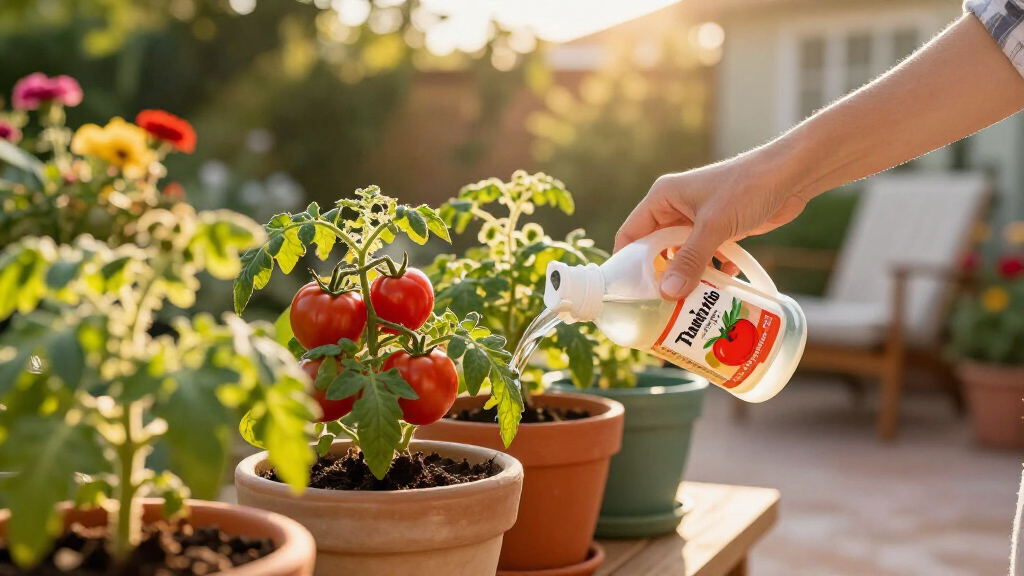
Gardeners are advised to apply tomato feed to patio containers this weekend to encourage a last bloom and fruiting. This targeted fertilization can boost plant performance before the season ends.
Gardeners are being encouraged to apply tomato feed to their patio containers this weekend to promote a final burst of flowers and fruit before the growing season ends. This targeted fertilization is believed to enhance flowering and fruiting, helping plants reach their full potential in the remaining weeks.
According to horticultural advice published by gardening experts, applying a high-potassium tomato feed to container plants during the upcoming weekend can stimulate a last round of flowering and fruit production. The recommendation is based on the understanding that tomato feed, which is rich in potassium and phosphorus, encourages flowering and fruit development in many ornamental and edible plants.
Gardeners are advised to dilute the fertilizer according to package instructions and apply it evenly to their containers, ensuring the soil is moist beforehand to facilitate nutrient uptake. This practice is especially relevant for plants that have already bloomed but are still producing fruit or could benefit from a final flowering push.
While the advice is widely supported by horticultural sources, some experts caution that over-fertilizing can lead to excessive foliage growth at the expense of flowers or fruit, so moderation and proper timing are key. The recommended application is during a period of moderate weather, avoiding extremes of heat or rain, which could dilute or wash away nutrients.
Why a Last-ditch Fertilizer Boost Matters for Gardeners
This advice matters because it offers gardeners a practical way to maximize the productivity and visual appeal of their patio containers before the end of the season. Applying tomato feed can help ensure that flowering plants produce a final flush of blooms and fruit, extending the enjoyment of their garden investments. For edible plants, this can mean a last harvest of tomatoes or other fruits, potentially improving yield and flavor.
Furthermore, this practice supports the health of container plants by providing essential nutrients that may be depleted over time, especially in small pots where nutrients are quickly used up. It can also help maintain plant vigor, reducing the risk of pests and disease by promoting healthy growth.
Overall, this targeted fertilization approach is a cost-effective, simple intervention that can deliver visible results, making it a valuable tip for both casual and dedicated gardeners alike.
Tomato feed fertilizer for container plants
As an affiliate, we earn on qualifying purchases.
As an affiliate, we earn on qualifying purchases.
Seasonal Timing and the Role of Tomato Feed in Container Gardening
As the growing season winds down in many regions, gardeners often seek ways to extend the flowering and fruiting period of their patio plants. Tomato feed, which is formulated specifically to support flowering and fruit development, has long been a popular choice among horticulturists for container plants.
Historically, gardeners have used high-potassium fertilizers during late summer and early fall to encourage a final burst of blooms and fruits. This practice aligns with the natural cycle of many plants, which tend to produce their last flowers and fruits as daylight hours decrease and temperatures cool.
Recent advice emphasizes that applying tomato feed during the upcoming weekend can be particularly effective, as it coincides with the optimal window for stimulating flowering in many common patio plants, including tomatoes, peppers, and flowering ornamentals.
While this approach is supported by horticultural guidelines, some experts note that environmental conditions such as rainfall and temperature fluctuations can influence the effectiveness of late-season fertilization.
Effectiveness Depends on Weather and Plant Condition
While the advice to use tomato feed for a final flowering push is supported by horticultural sources, its actual effectiveness can vary depending on environmental factors such as rainfall, temperature, and plant health. It is not yet clear how significantly these variables influence results, and some gardeners may see more benefit than others.
Additionally, there is limited scientific data specifically quantifying the impact of late-season fertilization with tomato feed on container plants, so results may differ across plant species and local conditions.
Monitoring Results and Adjusting Future Care
Gardeners are encouraged to observe their plants after applying the fertilizer, noting any increase in flowering or fruiting activity. If successful, this practice can be repeated or adapted for future seasons, possibly incorporating other nutrients or timing adjustments.
Experts suggest that, depending on results, gardeners might consider applying a similar boost in early fall or experimenting with different formulations tailored for late-season growth. Further research or community feedback may refine these recommendations over time.
Key Questions
Can I use tomato feed on all container plants?
Tomato feed is generally suitable for flowering and fruiting plants, including many vegetables, herbs, and ornamentals. However, always check the label and avoid over-fertilizing, especially with plants sensitive to high potassium levels.
When is the best time to apply tomato feed for a last bloom?
The upcoming weekend is recommended, ideally during mild weather conditions to maximize absorption and minimize runoff. Apply when soil is moist and avoid applying before heavy rain.
How often should I apply tomato feed for best results?
Use according to package instructions, typically once every two weeks during the late season. Avoid excessive applications which can harm plant health.
Will this boost last into the cooler months?
Late-season fertilization can promote flowering and fruiting, but environmental conditions in cooler months may limit plant activity. The boost is most effective if combined with proper watering and care.
Are there any risks to using tomato feed late in the season?
Over-fertilizing can lead to excessive foliage growth at the expense of flowers and fruits. It may also increase susceptibility to pests or diseases if plants are stressed. Follow instructions carefully for best results.
Source: rss