
TL;DR
Gardeners are searching for ways to improve hydrangea blooming. Six simple September interventions can help revive lazy bloomers and promote vibrant flowers next season.
Many hydrangea owners are noticing sparse or delayed blooms and are seeking quick, effective solutions. Experts confirm that applying six targeted fixes in September can significantly improve flowering for the next season, making these tips timely and relevant for gardeners looking to maximize their hydrangea’s potential.
Hydrangeas, known for their large, lush flower clusters, sometimes exhibit a phenomenon called ‘lazy blooming,’ where flowers are sparse, delayed, or underwhelming. According to horticultural sources, this issue often results from improper pruning, inadequate nutrients, or environmental stress. Recent gardening trends indicate a spike in searches and discussions around simple, actionable steps to address this problem, especially during September, a critical period for plant recovery before dormancy.
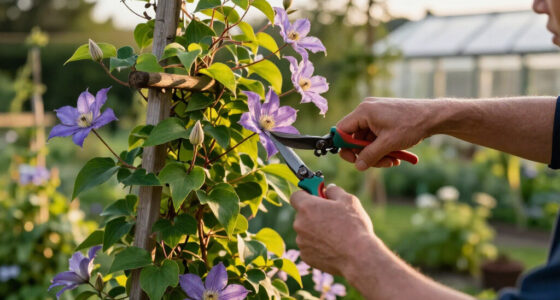
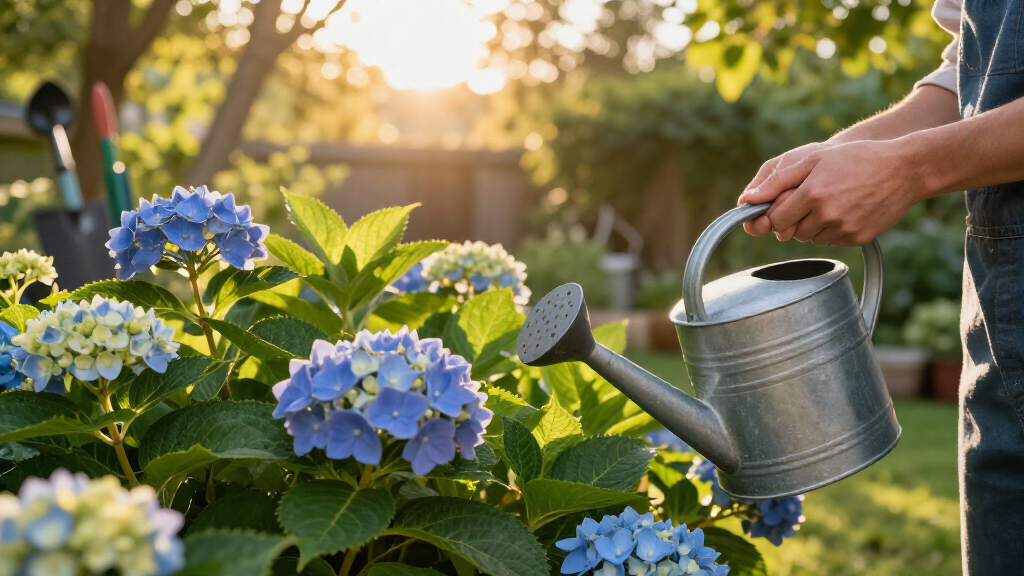
Experts recommend six specific interventions: first, pruning back dead or weak stems to encourage new growth; second, applying a balanced fertilizer high in phosphorus to promote flowering; third, watering deeply and consistently to prevent drought stress; fourth, mulching around the base to retain moisture and regulate soil temperature; fifth, avoiding heavy pruning if unsure, as it can remove potential bloom sites; and sixth, checking for pests or diseases that may inhibit flowering. These measures are supported by horticultural studies and gardening advice from experienced landscapers.
Why September Fixes Can Transform Your Hydrangea Blooms
Implementing these six fixes in September can lead to a more vigorous and abundant bloom cycle next year, which is especially valuable for gardeners aiming for show-stopping flowers. These tips are accessible and low-cost, making them practical for both novice and experienced gardeners. Improving bloom quality not only enhances garden aesthetics but also increases the plant’s overall health and longevity, contributing to a more sustainable gardening practice.
As an affiliate, we earn on qualifying purchases.
Understanding the Hydrangea Bloom Cycle and Common Problems
Hydrangeas typically bloom on new or old wood, depending on the variety. Many gardeners face issues when improper pruning or environmental stress occurs, leading to fewer or delayed flowers. Historically, late summer and early fall are critical periods for adjusting care routines to influence next year’s blooms. Recent interest in hydrangea care has surged amid broader gardening trends, with social media and gardening forums highlighting concerns over lazy bloomers. While some fixes are well-established, the specific timing and combination of interventions in September are emerging as effective strategies, although scientific consensus is still developing.
What Aspects of Hydrangea Care Are Still Uncertain?
While these six fixes are widely recommended, there is limited scientific research specifically confirming their effectiveness when applied in September. Some experts caution that environmental factors such as climate and soil conditions may influence outcomes. It remains unclear whether these interventions will uniformly work across all hydrangea varieties or if additional, tailored care is necessary for specific types.
Next Steps for Gardeners and Researchers
Gardeners are encouraged to implement these fixes and observe their hydrangeas over the coming months, adjusting care as needed. Researchers and horticulturalists may conduct further studies to quantify the impact of September interventions on bloom quality. Meanwhile, extension services and gardening groups are likely to disseminate refined advice based on ongoing observations and emerging data.
Key Questions
Can I prune my hydrangea in September without harming next year’s blooms?
Yes, light pruning to remove dead or weak stems in September is generally safe and can promote better flowering next year. However, avoid heavy pruning unless you are certain of your hydrangea type and its bloom cycle.
What type of fertilizer is best for hydrangeas in September?
A balanced fertilizer high in phosphorus (the middle number) is recommended to encourage flowering. Look for formulations labeled for flowering shrubs or hydrangeas specifically.
Is watering frequency critical for hydrangea blooms?
Yes, consistent deep watering helps prevent drought stress, which can inhibit flowering. Mulching can assist in maintaining soil moisture levels.
Will these fixes work on all hydrangea varieties?
While generally effective, results may vary depending on the hydrangea type and local growing conditions. Some varieties may require additional or different care strategies.
Source: rss