
TL;DR

Get garden gear delivered free with Prime
- Fast, free delivery on millions of items
- Prime Video, Amazon Music and more included
- Member-only deals all year
Perennials that have become crowded, bloom less well or develop a bare-looking center may benefit from division. Country Living’s gardening guide recommends dividing in early spring or fall, replanting divisions promptly and keeping them watered as they establish. Avoid dividing plants in flower or during midsummer heat.
Country Living has published guidance on when to divide established perennials and how to replant them, recommending early spring or fall for many plants. The advice matters to gardeners managing crowded or declining plantings: dividing can make new plants from existing ones, but divisions need prompt replanting and careful watering while they establish.
The guide says a perennial may be ready for division if it has grown in the same spot for several years and now looks overcrowded, is pushing into nearby plants or blooms less than it used to. A scraggly center is another possible sign. Changes in the garden can also prompt a move, such as a maturing tree casting more shade or shrubs crowding a bed.
For many perennials, the recommended windows are spring, as new shoots emerge, or fall, when temperatures are mild. The guide advises dividing in fall roughly four to six weeks before the ground freezes, giving transplants time to put down roots. It cautions against dividing while a plant is flowering or in midsummer heat, both of which can add stress.
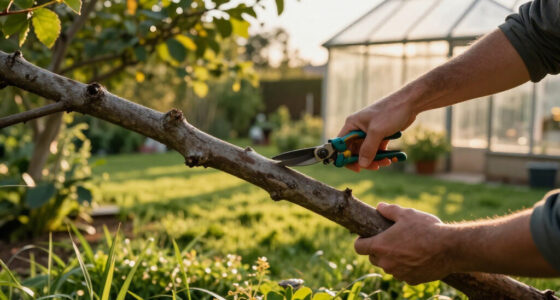
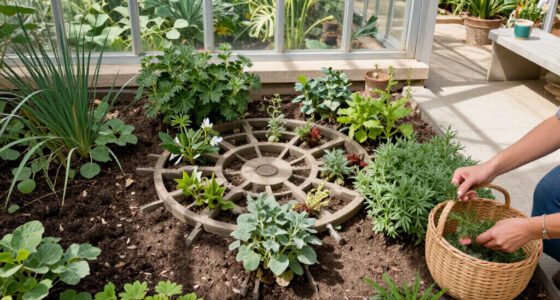
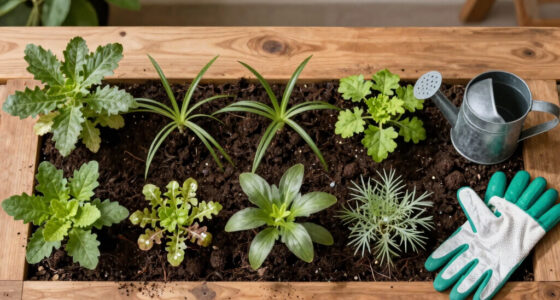
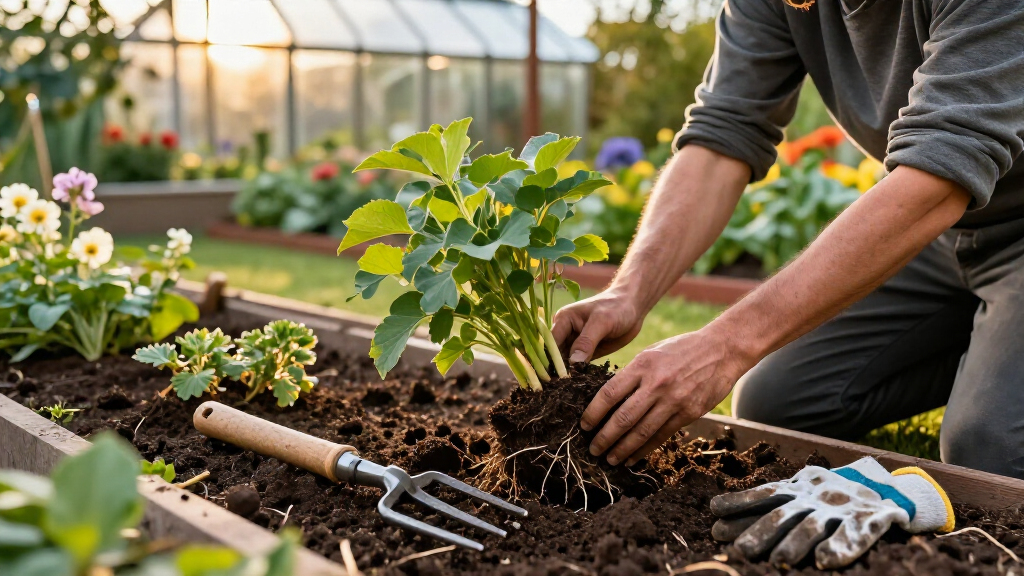
Before digging, choose where the division will go so it can be planted as soon as possible. Use a spade or garden fork to lift the whole plant or remove a portion from its outer edge; a garden knife can help cut through tough roots. Replant at the original depth in a hole about two to three times the size of the division, backfill, firm the soil and water well. The guide advises not fertilizing at planting and keeping the soil slightly damp, not soggy, as the plant settles in.
More Plants, Less Crowding
Division offers gardeners a way to rejuvenate established plants and fill bare spots without buying new specimens. A divided plant can also be moved to a more suitable location or shared with a neighbor. That can help when a bed has become crowded or its light conditions have changed.
The timing and aftercare affect how well a division takes. A newly separated plant has to re-establish roots, so moving it during extreme heat or while it is flowering can place extra strain on it. Prompt replanting and steady, sensible watering give it a better opportunity to settle in, although the source cautions that not every transplant will survive.
garden spade for dividing perennials
As an affiliate, we earn on qualifying purchases.
As an affiliate, we earn on qualifying purchases.
Which Plants Suit Division
The Country Living report lists daylilies, asters, bee balm, irises, hostas, peonies, sedum and ferns among common perennials that are generally easy to divide. It also names lamium, perennial geraniums, lamb’s ear and alliums. Gardeners should still account for a plant’s growth pattern and local conditions rather than treating the list as a guarantee that every specimen will respond the same way.
Some plants are less suitable. The guide cautions against dividing perennials with deep taproots, including baptisia and lupines, and shrubby perennials with woody bases, such as lavender and Russian sage. It also notes that bloom timing can inform the choice of season, but says gardeners need not follow a strict rule of dividing spring bloomers in fall and fall bloomers in spring.
“Divisions need to go into the ground ASAP for their best chance at surviving.”
— Country Living gardening guide
Local Conditions Shape Timing
The report gives general seasonal guidance, not a date that applies everywhere. Spring emergence and the timing of the first hard freeze vary by location, and the article does not provide region-by-region planting calendars. Gardeners need to use local conditions to identify the appropriate window, including the approximate date the ground freezes.
Nor does the guide promise that every divided plant will bloom again on a set schedule. Some perennials can take a few years to flower after being moved, and a transplant may fail despite careful handling. The report gives practical guidance but does not quantify survival rates or compare outcomes across species and climates.
Plan the Move and Monitor Growth
Gardeners considering division should first check whether a plant is crowded, blooming poorly or growing in conditions that have changed. They can then choose a mild spring or fall period, prepare the destination and gather a spade or garden fork, garden knife and container for moving the plant and its soil. Divisions should be replanted immediately at their former depth.
After planting, water thoroughly and check soil moisture as the perennial establishes, taking particular care during a hot, dry spell. The guide recommends keeping soil slightly damp rather than saturated. Gardeners should give moved plants time to recover and watch for new growth; the source says flowering may take longer for some types and advises trying again in a later year if a division does not survive.
Key Questions
When is the best time to divide perennials?
The guide recommends early spring, as green shoots emerge, or fall when temperatures are mild. In fall, aim to divide about four to six weeks before the ground freezes locally.
How can I tell if a perennial needs dividing?
Signs include crowded growth, declining blooms or a center that looks bare or scraggly. A plant may also need moving if nearby trees or shrubs have changed its growing conditions.
Which perennials are easiest to divide?
The report lists daylilies, asters, bee balm, irises, hostas, peonies, sedum and ferns, among others. It says plants with deep taproots and woody-based shrubs, including baptisia, lupines, lavender and Russian sage, are not good choices for division.
Should I fertilize a newly divided perennial?
No. The Country Living guide advises not fertilizing at planting. Replant the division at its original depth, water it well and keep the soil slightly damp as it establishes.
Can I divide a perennial while it is blooming?
The guide advises against dividing plants while they are in flower or during midsummer heat, when the move can add stress. Choose a suitable spring or fall window instead.
Source: rss
Fall Picks
fall essentials
As an affiliate, we earn on qualifying purchases.