TL;DR

Get garden gear delivered free with Prime
- Fast, free delivery on millions of items
- Prime Video, Amazon Music and more included
- Member-only deals all year
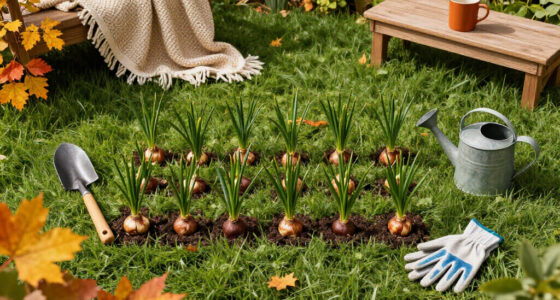
Homes & Gardens recommends recording where spring bulbs are planted, using labels, subtle natural markers or a garden map. The advice is intended to help gardeners avoid disturbing bulbs and keep track of planting areas through winter and into spring.
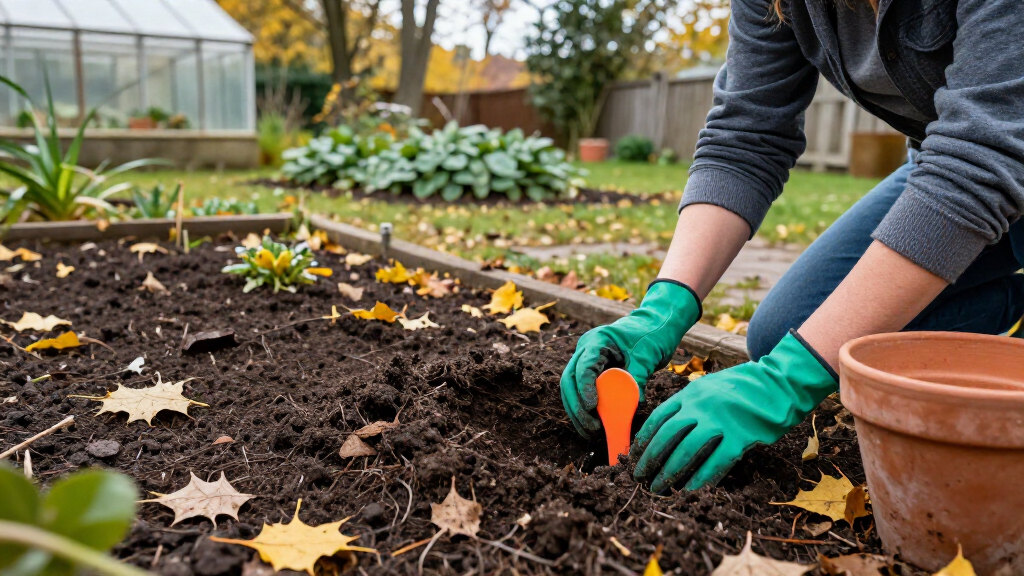
Homes & Gardens has recommended that gardeners mark where they plant spring bulbs this October, using plant labels, natural markers or a garden map. The practical advice addresses a common problem with autumn planting: forgetting bulb locations later, which can lead to bulbs being disturbed or their planting areas being overlooked.
The report says gardeners can place labels beside bulbs such as daffodils, tulips and hyacinths. Labels can identify the plant or provide more detailed variety information when saved from the bulb packaging. It also suggests homemade labels from materials such as sticks, rocks or wood, as well as purchased options including slate or copper markers.
For gardeners who prefer not to leave labels visible in a bed, the report suggests natural markers or landmarks. A distinctive rock can mark a planting spot, or a gardener can record its position in relation to a fixed feature such as a fence. The source also describes painting symbols on the underside of rocks to distinguish different bulb groups; it says the rocks should be heavy enough to stay in place through winter weather.
A third option is to make a garden map, on paper or digitally. The report says this may be particularly useful for large areas, drifts of bulbs and layered plantings. Gardeners can use colors to identify bulb types, add photographs of planting areas, or draw a cross-section to record the layers in a bulb-filled pot.
Marking bulb locations can help gardeners make decisions about later work in the same bed. The report warns that forgotten bulbs may be accidentally disturbed when other plants are added or garden areas are worked. A record can also help gardeners find bulbs they intend to lift after flowering, including tender varieties that should not be left in the ground over winter.
The advice is especially relevant to mixed and layered displays, where different bulbs may be planted in separate areas or at different depths. A map or clear labels can preserve that information beyond the planting day, when the bed may not show where bulbs were placed.
As an affiliate, we earn on qualifying purchases.
October Planting and Later Care
The source frames the advice around autumn bulb planting, when gardeners are putting spring-flowering bulbs into beds and containers. It notes that tracking locations can be harder when a display combines different kinds of bulbs rather than placing one variety in a single, easily remembered area.
Homes & Gardens also cautions readers to avoid planting mistakes such as choosing the wrong depth, spacing bulbs too closely or using unsuitable soil. The report does not give specific planting depths or soil guidance for individual varieties; gardeners would need to check the instructions supplied for their bulbs and local growing conditions.
““The easiest way to remember where you planted spring bulbs is by using plant labels.””
— Homes & Gardens report
No Trial or Product Comparison
The source is a set of practical gardening recommendations, not a reported experiment comparing how well the methods work. It provides no data on whether labels, rocks or maps are most reliable, and does not identify a particular product as necessary. The best choice may depend on the size and layout of a garden and whether visible markers are acceptable to the gardener.
The report also does not specify regional planting dates, weather conditions or care instructions for particular bulb species. Readers should follow the guidance on their bulb packaging and local gardening advice for those details.
Record Locations During Planting
As bulbs go into the ground, gardeners can choose a tracking method and record each variety or planting area immediately. For a small bed, a few labels or identifiable markers may be enough; for a larger display, a map with color coding and photographs can provide a fuller record.
That record can then be used when adding plants, tending the bed or deciding which bulbs to lift after flowering. The source offers no later update or formal follow-up; the practical next step is to keep the labels or map somewhere they can be found when the garden is worked again.
Key Questions
Why mark where spring bulbs are planted?
Homes & Gardens says a record can help gardeners avoid disturbing bulbs when working in the bed and locate bulbs they may want to lift after flowering.
What is the simplest way to track bulb locations?
The report recommends plant labels placed beside the bulbs. They can name the flower or include the variety information from the bulb packet.
How can I mark bulbs without visible garden labels?
Use a distinctive rock or a fixed landmark, such as a fence, to note a planting position. The report also suggests marking the underside of rocks to distinguish bulb groups.
When is a garden map useful?
A map may be helpful for large planting areas, bulb drifts or layered displays. It can be drawn on paper or made digitally, with colors or photographs to identify areas.
Does the report give exact planting depths?
No. It warns against planting at the wrong depth but does not provide measurements for specific bulbs. Check the packaging or locally relevant growing guidance for variety-specific instructions.
Source: rss
Fall yard work Picks
leaf blowers
As an affiliate, we earn on qualifying purchases.