TL;DR

Get garden gear delivered free with Prime
- Fast, free delivery on millions of items
- Prime Video, Amazon Music and more included
- Member-only deals all year
A Homes & Gardens report says November can be a useful planting window for spring bulbs, bare-root trees and shrubs, hardy perennials and some cool-season crops. The right choices depend on local frost conditions, hardiness, drainage and whether the ground is workable; the supplied report’s vegetable guidance is incomplete.
A Homes & Gardens report says gardeners can use November to plant spring bulbs, bare-root trees and shrubs, hardy perennials and some cool-season crops, provided the soil is workable and local conditions suit the plants. The advice matters because planting now may give roots time to establish before spring, but a calendar date alone cannot show whether a particular yard is ready.
The report recommends checking local conditions before planting. The USDA Plant Hardiness Zone Map can help gardeners assess whether a woody plant or perennial is likely to tolerate a region’s average annual extreme minimum winter temperatures. It does not predict the first frost date or account for details such as wind exposure, drainage or standing water. The report says planting often continues later in warmer parts of Zones 7–10, while gardeners in colder Zones 3–6 may have a narrower window.
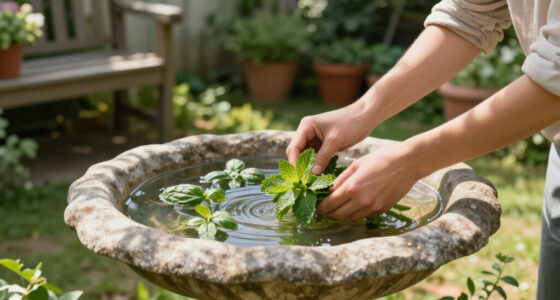
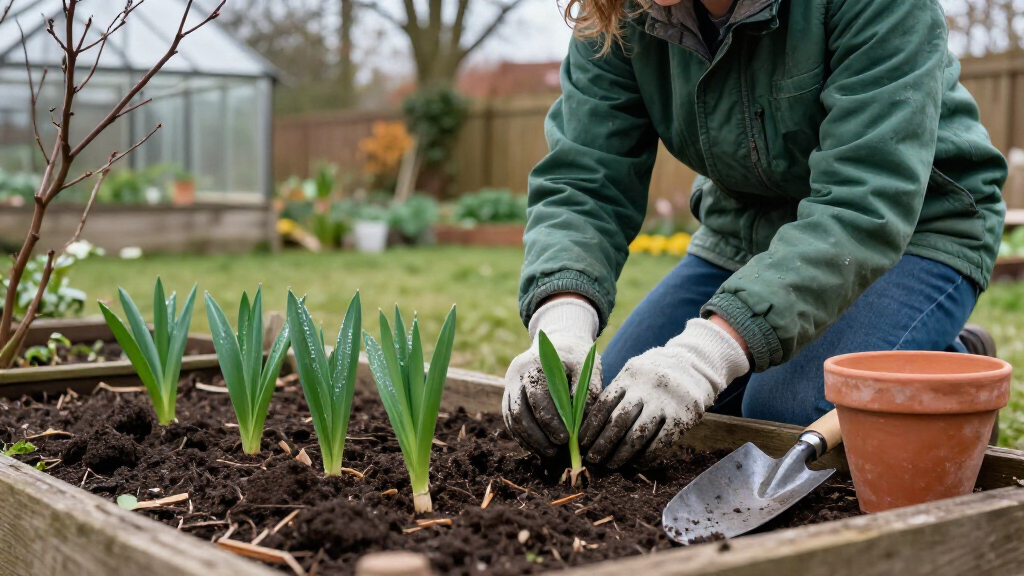
Bare-root plants—sold without a pot or soil around their roots, generally while dormant—can include fruit trees, roses, hedging and ornamental shrubs. The report advises keeping roots from drying out, following the supplier’s directions for soaking, and digging a hole wide enough for roots to spread naturally. Set the plant at its previous growing depth, backfill with the original soil and water thoroughly. It cautions against creating a rich compost pocket in the hole.
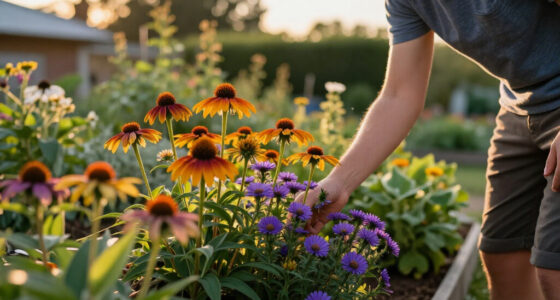
For spring color, the report lists tulips, daffodils, crocuses and many alliums as bulbs that may still be planted while the ground is unfrozen. It gives a general planting depth of two to three times the bulb’s height, while advising gardeners to follow variety-specific instructions. Hardy perennials such as some coneflowers, black-eyed Susans and salvias are also options where the plant’s hardiness range fits the site. The source material begins a section on vegetables but cuts off before providing its recommendations, so no specific crop list can be confirmed from the supplied report.
A Head Start Before Spring
November planting can spread garden work across the year and give suitable plants time to develop roots before spring growth. For bulbs, that preparation supports the seasonal flowering gardeners are planning for; for trees, shrubs and perennials, it can help establish plants before warmer weather. These are reasons to consider the timing, not a guarantee that every planting will thrive.
The practical consequence is that soil condition and plant suitability matter more than following a fixed calendar. Planting into frozen or waterlogged ground can undermine the effort, while bulbs in persistently wet soil may rot. Gardeners also need to account for each plant’s mature size and, for fruit trees, any pollination requirements noted for the variety.
Popular right now

Vitamix Propel Series 750 Professional-Grade Blender, 4 Programs, Black

Vitamix Propel Series 510 Professional-Grade Blender, 3 Programs, Black

Bose QuietComfort Ultra Wireless Noise-Cancelling Headphones with Spatial Audio, Black
As an affiliate, we earn on qualifying purchases.
Weather Sets the Planting Window
The report’s guidance is seasonal advice, not a forecast for every garden. November may bring mild, wet weather in one area and frozen ground in another. It says to work only when the soil is workable; soil that sticks together in a wet lump is a signal to wait because working it can compact the ground and make it harder for roots to spread.
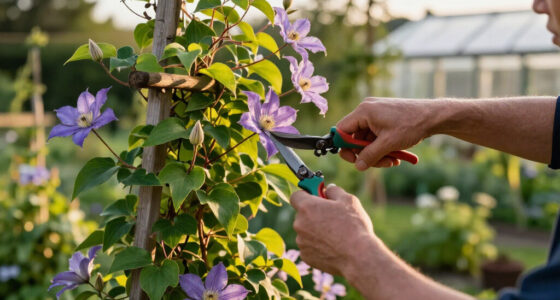
After planting, water if the soil is dry and keep mulch a few inches away from trunks and plant crowns. The report recommends light mulch for newly planted bulbs where winter temperatures fluctuate and advises checking new perennials during dry spells, including in raised beds or exposed sites. Local plant recommendations and the variety’s label remain relevant because plants within the same group can differ in cold tolerance.
“A calendar is a useful prompt, not a promise from the weather.”
— Homes & Gardens report
Local Conditions Still Decide
The report does not establish that November is suitable for every plant or every location. Frost timing, soil drainage and site exposure can vary even within a hardiness zone, and the source does not give location-specific planting dates. Its advice on cool-season vegetables is also incomplete in the material provided: the section ends before naming crops or setting out planting instructions.
Claims about spring performance should be treated as guidance rather than a promise. The report’s author says some bulbs were planted as late as December the previous year with good results, but that personal experience does not establish that late planting will work in other climates or soil conditions.
Check the Ground Before Planting
Gardeners considering November planting should first check whether the ground is unfrozen, workable and well drained, then match each plant to local hardiness guidance and the site. Follow supplier or variety instructions for planting depth and root preparation. If the soil is saturated or frozen, wait for suitable conditions rather than forcing the work into the calendar.
For food crops, readers will need a complete, locally relevant planting guide: the supplied report does not include enough of its vegetable section to identify recommended November crops. Any further advice should specify the crop, region and planting conditions rather than treating November as a universal window.
Key Questions
What can be planted in November?
The supplied report lists spring bulbs, bare-root trees and shrubs, and hardy perennials, plus selected cool-season crops. Its vegetable section is incomplete in the source material, so it does not confirm which crops to plant.
Can spring bulbs still be planted in November?
According to Homes & Gardens, tulips, daffodils, crocuses and many alliums can still be planted if the soil has not frozen. Choose a well-drained site and follow the variety’s planting instructions.
How can I tell whether my garden is ready?
Check whether the ground is unfrozen and workable. The report advises postponing work when soil is so wet that it clings in a lump, since digging then can compact it. Consider drainage and exposure as well as your hardiness zone.
Which vegetables should I plant in November?
The supplied report does not provide its vegetable recommendations; the source text ends as that section begins. Suitable crops depend on location, climate and growing conditions, so consult local guidance before planting.
Source: homesandgardens.com