
To build a better calving observation routine, plan checks around the expected due date and monitor signs like swelling, udder development, and restlessness. Check cows frequently in the last few weeks, especially as labor approaches. Recognize early signs of labor to increase monitoring and act promptly. Understand the stages of calving to interpret signs accurately. Continuing with these steps will help you detect issues early, ensuring a smoother calving process and healthier calves.

Get garden gear delivered free — and shop member deals
- Fast, free delivery on millions of items
- Access to Prime Big Deal Days deals on October 6–7
- Prime Video, Amazon Music and more included
Key Takeaways
- Schedule frequent checks during the last weeks of pregnancy, especially around the expected calving window.
- Recognize early signs of labor, such as udder swelling and restlessness, to increase monitoring.
- Understand calving stages to interpret signs correctly and determine when veterinary assistance is needed.
- Continue close observation immediately post-calving to assess calf health and ensure timely intervention if necessary.
- Establish a consistent routine to improve detection, reduce stress, and enhance overall calving success.
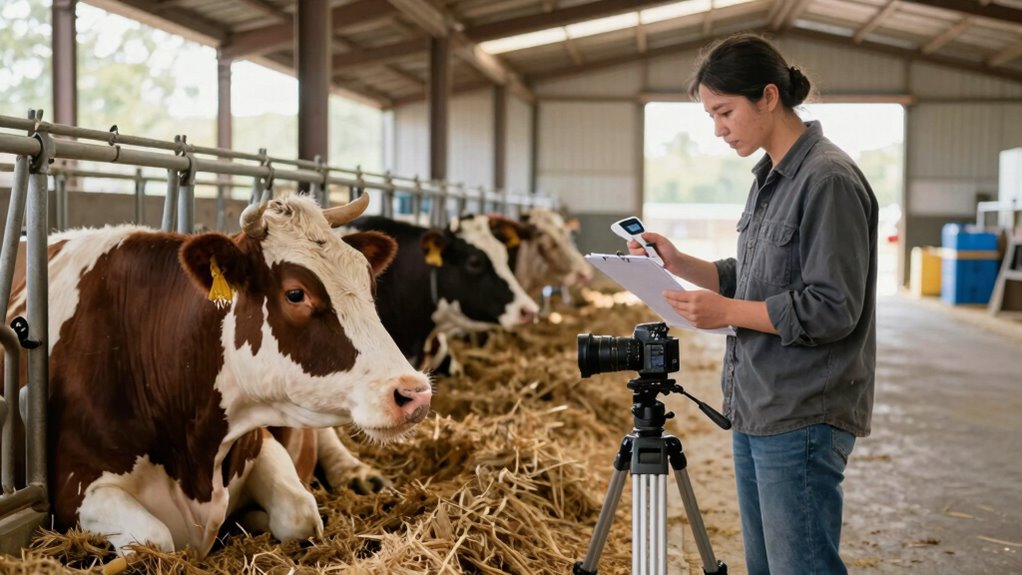
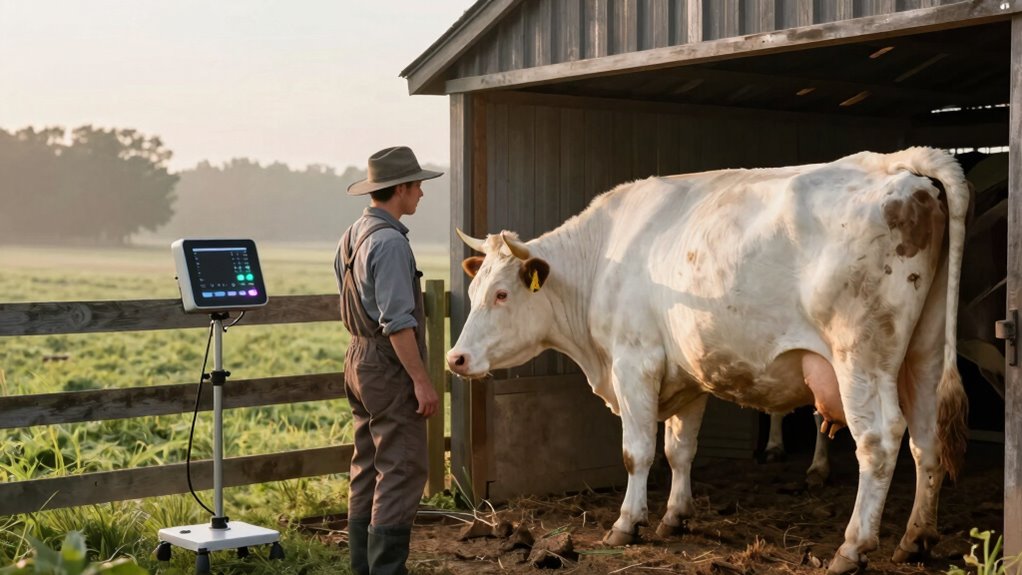
Monitoring your cows closely during calving is vital to guarantee a smooth process and quick intervention if needed. When you stay attentive, you can better manage the stages of labor, safeguarding both cow and calf health. The key to effective calving observation is establishing a routine that emphasizes the right observation timing and sharpens your ability to recognize early signs of trouble. This proactive approach allows you to respond promptly and effectively, reducing the chances of complications. The way you set up your observation routine can greatly impact the health outcomes for both cow and calf. Start by planning your observation schedule around the expected calving window. If you know your cows’ due dates, check on them frequently—every few hours during the last few weeks of pregnancy. During this period, keep an eye out for signs like swelling, udder development, or restlessness, which signal that calving could happen soon. Proper observation timing means you’re not just watching, but watching smartly, so you can catch subtle changes that indicate labor is imminent. Being present at the right times lets you intervene early if necessary, which is imperative for calf health and reducing stress on the cow. Recognizing the importance of timely intervention can prevent many issues before they escalate.
Additionally, understanding calving signs and how they relate to labor stages can enhance your observation routine. After the calf is born, continue observing the newborn closely. Immediate assessment of calf health—such as checking its breathing, vigor, and ability to stand—is critical. Promptly drying and warming the calf prevents hypothermia, and early nursing helps establish a strong bond and boosts immunity. The timing of your observation during these early moments can make a big difference in the calf’s future health. If you notice any weakness or abnormal behavior, you should intervene quickly to guarantee it receives the necessary care. Furthermore, being familiar with calving process and its typical timeline can help you better interpret signs and act appropriately during labor. Recognizing calving stages and their typical duration can also assist you in determining when to seek extra help or veterinary assistance if labor appears to be progressing abnormally.
As an affiliate, we earn on qualifying purchases.
Frequently Asked Questions
What Equipment Is Essential for Calving Observation?
You need a well-equipped calving pen with good lighting and a clean, comfortable space for the cow. An observation checklist is crucial to track signs of labor and progress. A flashlight helps during nighttime checks, and gloves are essential for safe handling. Having a phone or radio keeps you connected, while a thermometer can monitor temperature if needed. These tools ensure you’re prepared for a smooth, successful calving process.
How Often Should Observations Be Recorded?
You should record observations every 2 to 4 hours during the calving interval, especially as the cow shows signs of imminent labor. Regular observation timing helps you catch early signs of calving, reducing risks for both mother and calf. Keep a detailed log of each observation, noting any changes or signs, so you can respond promptly. Consistent timing guarantees you don’t miss critical stages of the calving process.
What Signs Indicate Impending Calving?
A watched pot never boils, and similarly, attentive farmers catch signs early. Look for calving behavior like restlessness, pawing, or isolating from the herd. Swollen vulva, mucus discharge, and a drop in herd alertness signal that calving’s near. You’re most alert when these signs appear, so keep a close eye. Recognizing these cues assists you in preparing and guarantees a smoother calving process.
How to Handle Emergencies During Calving?
When calving emergencies happen, stay calm and act quickly. Recognize signs of calving complications like prolonged labor or unusual distress. Keep emergency supplies ready, including gloves, disinfectants, and a phone to contact your vet. Practice emergency preparedness by knowing when to seek professional help. Carefully assist if needed, but don’t hesitate to call your veterinarian for complicated cases. Prompt action minimizes risks for both the cow and calf.
Who Should Be Responsible for Monitoring Calving?
You should be responsible for monitoring calving, even though it feels like waiting for a miracle. Keeping an eye on calving timing and postpartum care falls on you, ensuring the process goes smoothly. By actively observing, you minimize risks and intervene early if needed. Your vigilance not only helps the cow and calf but also streamlines the entire calving routine, proving that proactive care truly makes a difference.
Conclusion
By refining your calving observation routine, you’re shaping the future of your herd, much like a master sculptor carving away doubts to reveal clarity. Stay vigilant, document diligently, and adapt as needed—these steps turn the chaos of calving into a symphony of success. Remember, every watchful eye and careful note adds a brushstroke to your masterpiece, ensuring healthier calves and a thriving operation. Keep the rhythm steady, and your herd will flourish under your watchful gaze.
Fall Picks
fall essentials
As an affiliate, we earn on qualifying purchases.