
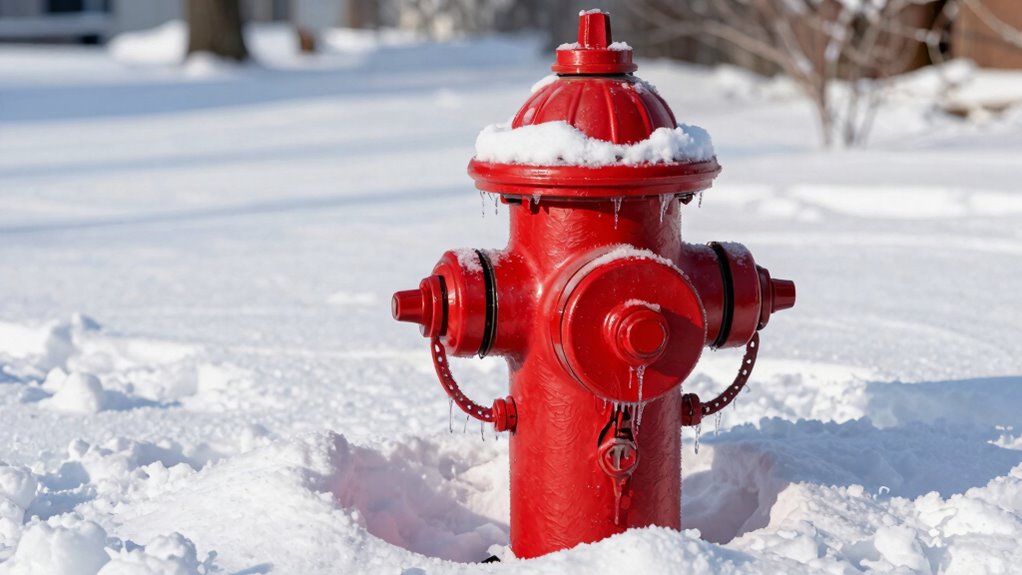

Freeze-proof hydrants help save time during cold weather by preventing freezing and ensuring quick access in emergencies. However, to maximize their benefits, you need to winterize the area around them properly. Clearing snow and ice, insulating the ground, and removing obstructions are essential steps. When you take these precautions, your hydrants stay accessible and functional, saving you time and effort. Keep this in mind—you’ll discover more tips on maximizing hydrant efficiency as you continue.

Get garden gear delivered free with Prime
- Fast, free delivery on millions of items
- Prime Video, Amazon Music and more included
- Member-only deals all year
Key Takeaways
- Proper winterization around freeze-proof hydrants prevents snow and ice buildup, ensuring quick access during emergencies.
- Clearing the area reduces obstructions that could delay firefighting response times.
- Insulating the ground around hydrants protects against freezing, maintaining operational readiness.
- Combining winterization with freeze-proof hydrants minimizes maintenance and repair efforts in cold weather.
- Ensuring hydrants are visible and accessible supports faster emergency response, saving critical time.
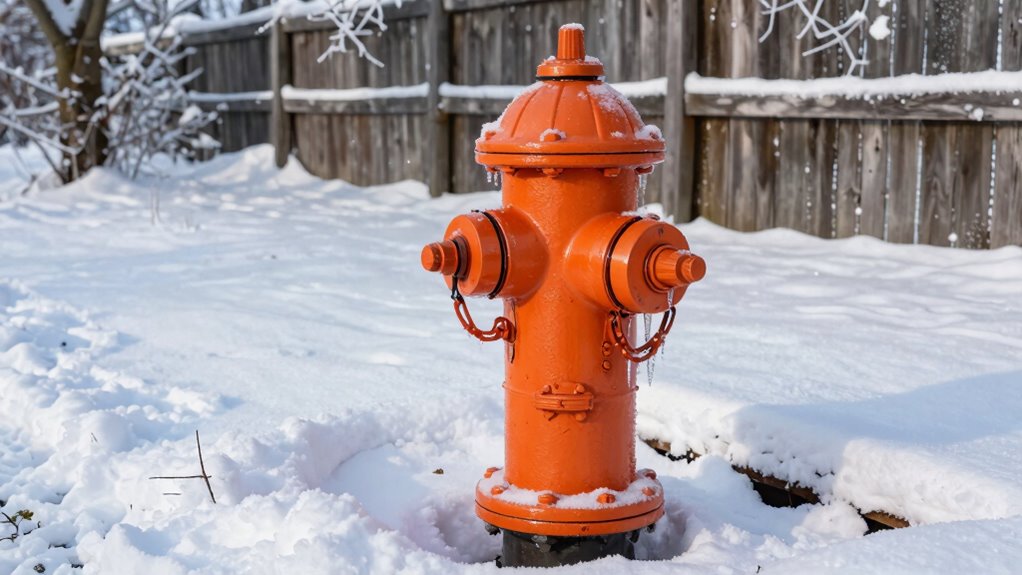
When winter hits, traditional fire hydrants can become a major headache for maintenance crews, causing delays and safety concerns. These older hydrants are vulnerable to freezing, which can block access during emergencies and delay response times. To ensure quick access and protect your community’s safety, freeze-proof hydrants are a smart investment. They’re designed to prevent internal freezing by incorporating insulation and drain valves, allowing water to drain out after use. This innovation saves time during emergencies and reduces maintenance efforts in cold weather months.
However, installing freeze-proof hydrants alone isn’t enough. You need to prioritize winterization around them to maximize their benefits. When you winterize properly, you’re not just preventing hydrant freezing—you’re also ensuring that they function reliably when you need them most. This involves clearing snow and ice from the vicinity of the hydrant, making sure the surrounding ground is insulated, and checking for any obstructions that could hinder access. Proper winterization helps maintain emergency preparedness by keeping hydrants visible and operational, even during heavy snowfalls or icy conditions. Additionally, understanding the importance of hydrant insulation can significantly enhance their resilience against freezing temperatures. Investing in community education about winter safety practices further supports the longevity and effectiveness of these fire safety measures.
Proper winterization keeps hydrants accessible, visible, and operational during heavy snow and ice conditions.
Furthermore, by winterizing around your freeze-proof hydrants, you’re proactively protecting your infrastructure from costly repairs or replacements caused by freeze damage. This preventive measure extends the lifespan of your hydrants and keeps your community safer year-round. It’s essential to educate residents and maintenance crews about the importance of winterization, emphasizing that emergency preparedness isn’t just about having the right equipment but also about maintaining it properly through the cold season. Incorporating winter safety practices into your routine can make a significant difference in overall community resilience. Proper winterization techniques play a crucial role in safeguarding your firefighting infrastructure during harsh weather conditions.
Popular right now

Samsung 85-Inch QN70H Neo QLED 4K Smart TV (2026)

Shark Rocket Pet Plus Corded Stick Vacuum, Lightweight, Bordeaux, HV322
Dyson Car+Boat Cordless Handheld Vacuum
As an affiliate, we earn on qualifying purchases.
Frequently Asked Questions
How Often Should Freeze-Proof Hydrants Be Inspected?
You should inspect freeze-proof hydrants at least once a year as part of your maintenance routines. Regular inspection frequency helps you identify potential issues early, guaranteeing they function properly during cold weather. During inspections, check for leaks, corrosion, or damage. By staying proactive, you prevent costly repairs and ensure your hydrants remain reliable when you need them most. Consistent maintenance routines are key to winter-ready, trouble-free hydrants.
Are Freeze-Proof Hydrants Suitable for All Climates?
Freeze-proof hydrants are generally suitable for many climates, but their climate adaptability depends on proper installation and maintenance. You need to take into account local temperature ranges and ensure regular inspections to prevent freezing issues. In colder regions, additional winterizing steps may be necessary. While they reduce maintenance requirements compared to traditional hydrants, you still must winterize around them properly and periodically check for any vulnerabilities to guarantee reliable performance year-round.
What Materials Are Used in Freeze-Proof Hydrants?
Freeze-proof hydrants are typically made from durable materials like cast iron, bronze, or high-quality plastics, guaranteeing material durability even in harsh winter conditions. When you install them, follow specific procedures to ensure proper sealing and drainage, which prevents freezing. These materials and installation steps work together to provide reliable performance, making freeze-proof hydrants a smart choice for winterizing your water system effectively and efficiently.
Can Homeowners Install Freeze-Proof Hydrants Themselves?
They say “look before you leap,” and that’s wise when considering installing freeze-proof hydrants yourself. While homeowners can install garden irrigation or fire suppression hydrants, it’s best to follow manufacturer instructions carefully. If you’re comfortable with plumbing and outdoor work, you might do it yourself; otherwise, hiring a professional guarantees proper winterization and functionality. Proper installation guarantees your hydrant’s performance during harsh winters and reliable fire safety.
How Long Do Freeze-Proof Hydrants Typically Last?
Freeze-proof hydrants typically last 15 to 20 years, depending on hydrant durability and maintenance. Proper winterization techniques, like insulating components and draining water after use, help extend their lifespan. Regular inspections guarantee they remain functional during cold weather. You should monitor for signs of wear or corrosion and perform timely repairs. Proper winterization not only maximizes longevity but also guarantees reliable operation when you need it most during winter.
Conclusion
Remember, winterizing around your freeze-proof hydrant isn’t just a quick task—it’s an essential step that can prevent costly, cold-weather complications. By properly prepping the perimeter, you prevent potential problems and preserve your property’s safety and service. Don’t delay or dismiss this detail; diligent winterization delivers peace of mind and keeps your hydrant hassle-free. So, stay savvy, stay secure—safeguard your space by sealing, securing, and winterizing every hydrant’s habitat!