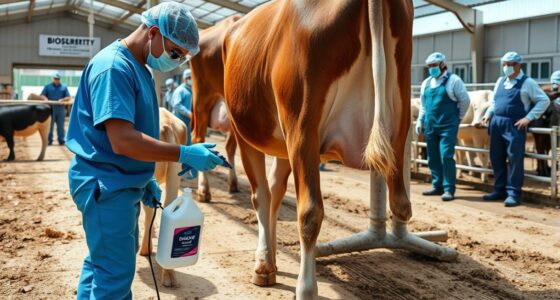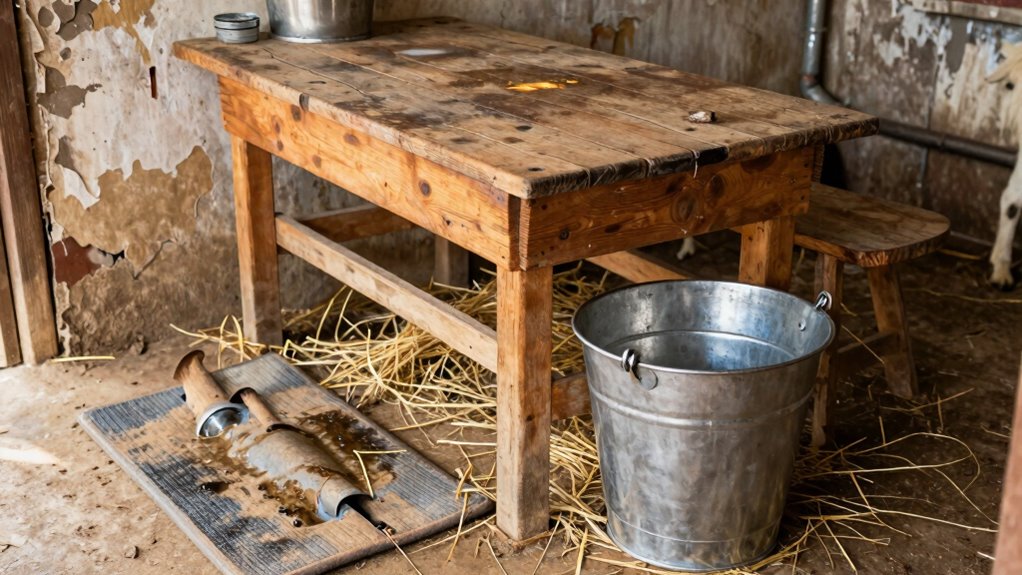

To guarantee goat milk safety, you need to identify and fix hidden germ hotspots like manure buildup, dirty equipment, contaminated bedding, and unclean water sources. Regularly inspect and thoroughly clean and sanitize your milking equipment, surfaces, and tools. Practice good hand hygiene and keep the barn dry and well-ventilated. Checking your sanitation routines now will help prevent contamination and spoilage. Continue exploring to uncover tips that will keep your farm hygienic and your milk safe.
Key Takeaways
- Identify and eliminate germ hotspots like manure buildup, dirty equipment, and contaminated bedding to prevent milk contamination.
- Maintain proper sanitation procedures, including thorough cleaning, sanitizing, and drying of milking equipment and surfaces.
- Ensure good water quality, regular hand hygiene, and proper sanitizer use to reduce cross-contamination risks.
- Improve barn ventilation, manage feed storage, and keep the environment dry to inhibit bacterial and mold growth.
- Conduct routine inspections and prompt cleaning of all areas and tools to prevent germ reservoir development and ensure milk safety.
Top picks for "goat milk sanitation"
Open Amazon search results for this keyword.
As an affiliate, we earn on qualifying purchases.
Why Germ Hotspots Threaten Your Goat Milk Safety
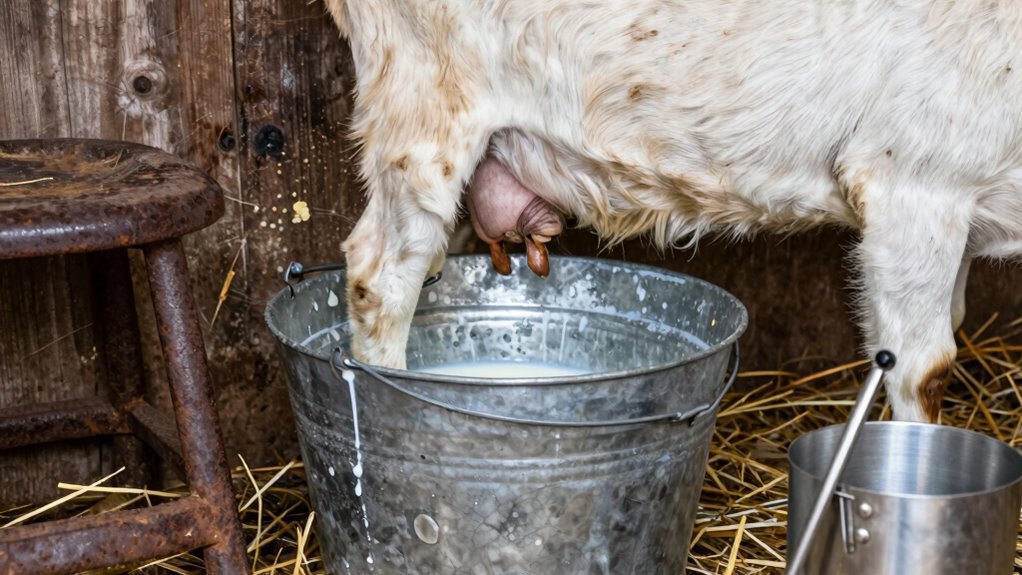
Germ hotspots can considerably compromise the safety of your goat milk if they aren’t properly managed. These areas often act as pathogen reservoirs, harboring bacteria, viruses, and fungi that can contaminate milk during or after milking. Without strict biosecurity measures, germs can spread easily from contaminated equipment, bedding, or even your hands, increasing the risk of infections. Hotspots like dirty stalls, unclean milking tools, and contaminated water sources create ideal environments for bacteria to thrive. Recognizing germ reservoirs within your farm environment can help target sanitation efforts more effectively. Implementing effective sanitation practices is essential to reduce pathogen buildup and prevent cross-contamination. Recognizing biosecurity protocols is crucial for preventing pathogen spread and maintaining herd health. If ignored, these germs can enter the milk supply, potentially causing illness in consumers and reducing your herd’s health. Addressing these hotspots by maintaining cleanliness and implementing biosecurity protocols is essential to protect your milk’s safety and ensure high-quality, contaminant-free products. Regularly inspecting for infection risks and implementing preventative measures can further reduce the likelihood of contamination.
Spotting Germ Risks in Your Barn and Milking Area
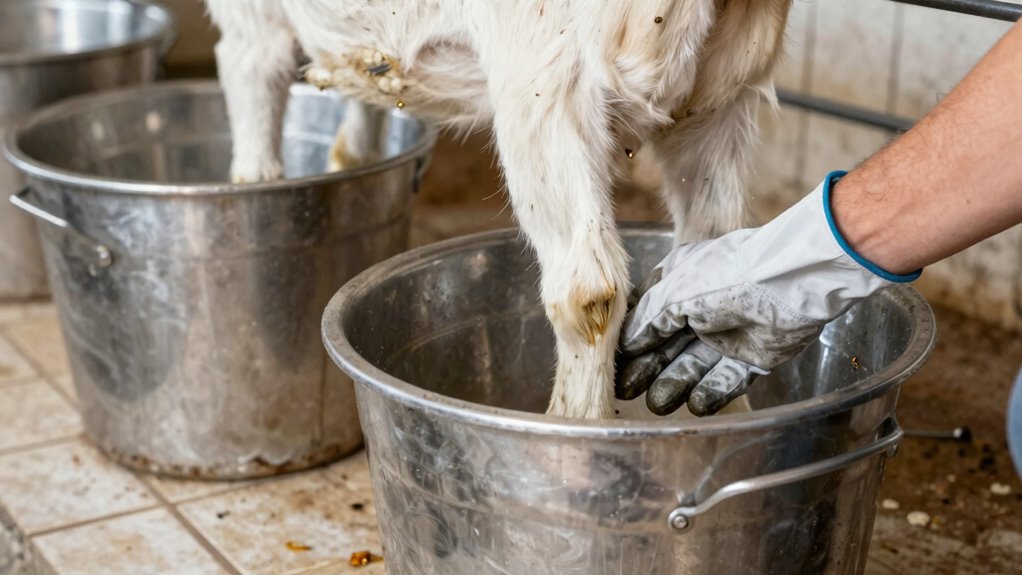
To effectively spot germ risks in your barn and milking area, you need to pay close attention to common contamination points. Poor barn ventilation can cause excess humidity and moisture, creating an ideal environment for bacteria and mold growth. Regularly check that airflow is adequate and vents are clean to prevent buildup of airborne germs. Proper ventilation is crucial in maintaining a healthy barn environment. Feed storage is another critical area; improper storage can lead to moldy feed or contamination from pests. Ensure feed bins are sealed tightly and cleaned frequently to reduce microbial growth. Additionally, bedding management practices play a vital role in minimizing pathogen buildup and maintaining cleanliness in the milking area. Also, inspect bedding and manure management practices, as these are common sources of pathogens. Maintaining a clean environment is essential for European cloud innovation and minimizing germ hotspots. Implementing sanitation protocols regularly throughout the barn can significantly decrease the risk of microbial contamination. By staying vigilant about ventilation and feed storage, you can identify germ hotspots early and take steps to minimize contamination risks in your dairy operation.
Troubleshooting Sanitation Challenges in Milking Equipment
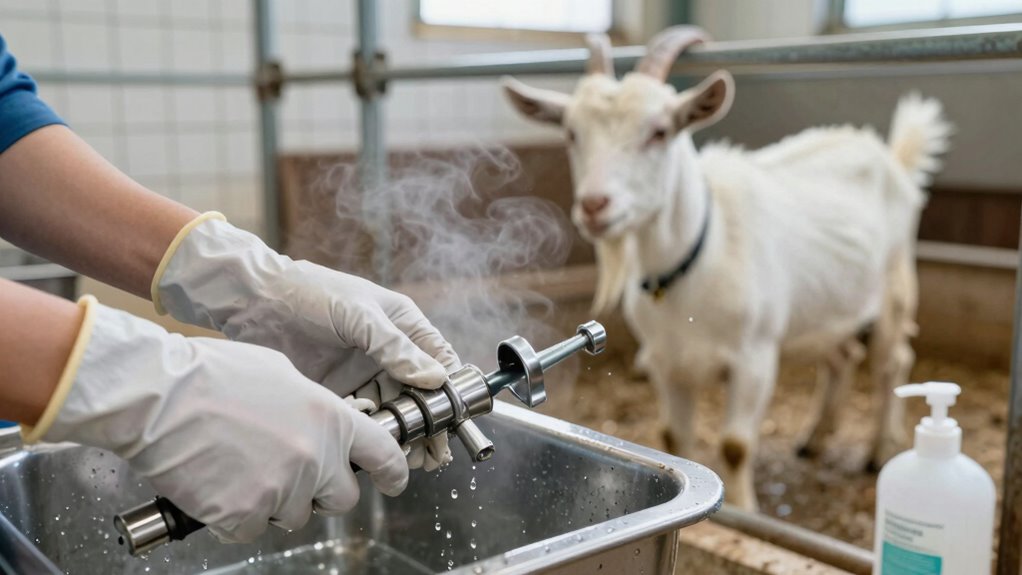
Even with careful attention to barn sanitation, challenges can still arise during the cleaning of milking equipment. Germ transmission often occurs if sanitation protocols aren’t consistently followed or if equipment isn’t thoroughly cleaned. Common issues include residue buildup, clogged nozzles, or overlooked crevices that harbor bacteria. To troubleshoot, identify where contamination might occur and verify your cleaning steps. Use this quick reference:
| Issue | Possible Cause | Solution |
|---|---|---|
| Residue buildup | Inadequate rinsing | Increase rinse time and temp |
| Clogged nozzles | Blockages or milk residue | Regular nozzle inspection |
| Bacteria in crevices | Poor sanitation protocols | Disassemble and clean thoroughly |
| Cross-contamination | Shared tools or improper storage | Sanitize tools and organize |
| Equipment odor | Biofilm formation | Use approved sanitizers |
Following strict sanitation protocols helps prevent germ transmission and guarantees equipment stays hygienic. Additionally, incorporating local automation systems for cleaning can enhance consistency and efficiency in sanitation routines.
How to Properly Clean and Sanitize Your Milking Supplies
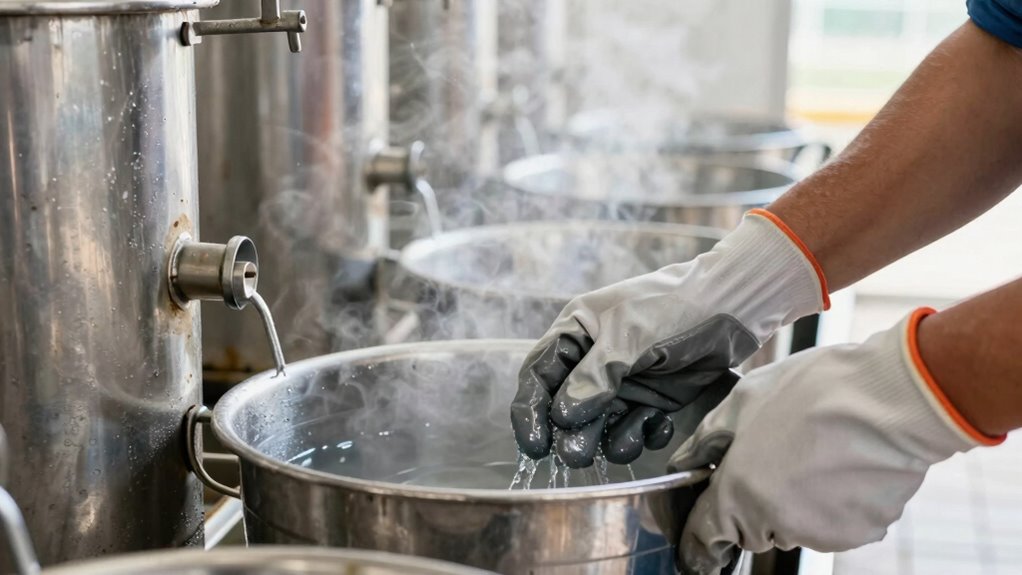
After each milking session, you should rinse your equipment immediately to prevent residue buildup. Use food-grade cleaners to thoroughly sanitize all surfaces, ensuring no harmful bacteria remain. Proper equipment maintenance is essential for preventing cross-contamination and extending the lifespan of your supplies. Incorporating regular hygiene practices helps maintain optimal sanitation standards and ensure the safety of your milk. Additionally, paying attention to sanitation protocols can further reduce the risk of contamination and ensure compliance with health standards. Finally, dry your supplies properly to prevent mold and keep everything ready for the next use.
Rinse Immediately After Use
Once you’ve finished milking, rinse your equipment immediately to prevent milk residues from drying and becoming difficult to clean later. Prompt rinsing helps manage urine and bedding hygiene by reducing potential germ hotspots where bacteria can thrive. This quick step flushes away milk, dirt, and waste before they settle, making thorough cleaning easier. It also minimizes the risk of cross-contamination and ensures your equipment stays sanitary. Be sure to rinse all parts, including hoses and fittings, with cold water to remove surface residues. Avoid letting residues sit, as they can harbor bacteria and mold. Rinsing right after use sets the foundation for effective sanitation, keeping your milking supplies safe and hygienic for each new session.
Use Food-Grade Cleaners
Using food-grade cleaners is essential for safely and effectively removing milk residues, bacteria, and other contaminants from your milking equipment. These cleaners are formulated to break down organic material without leaving harmful residues, making them ideal for equipment sterilization. Natural disinfectants, such as vinegar or hydrogen peroxide, can enhance cleaning without toxic chemicals. Confirm you follow the manufacturer’s instructions for dilution and contact time to maximize their effectiveness. Proper cleaning with food-grade products not only reduces germ hotspots but also protects the quality of your milk. Regular use of these safe cleaners helps maintain a hygienic milking environment, preventing contamination and promoting healthier goats. Stick to food-grade options for peace of mind and best sanitation.
Proper Drying Techniques
Proper drying is an essential step in maintaining clean milking supplies, as lingering moisture can promote bacterial growth and compromise milk quality. After cleaning dairy equipment, make sure to dry all surfaces thoroughly using clean towels or air drying. Good barn ventilation helps speed up this process by reducing humidity and moisture buildup around your equipment. Keep equipment in a well-ventilated area, avoiding damp corners where mold and bacteria can thrive. If possible, use compressed air to blow out residual water in hard-to-reach spots. Ensuring your milking supplies are completely dry prevents bacteria from multiplying and reduces the risk of contamination. Additionally, paying attention to proper drying techniques can significantly enhance sanitation efforts. Using appropriate drying tools ensures no residual moisture remains, further preventing bacterial growth. Employing effective drying methods can help eliminate moisture more efficiently and maintain optimal sanitation standards. Consistently implementing proper drying techniques, combined with good barn ventilation, keeps your equipment sanitized and your milk safe. Incorporating proper drying practices as part of your routine can also help prevent mold and mildew formation on dried surfaces. Moreover, understanding the role of air circulation can optimize drying times and improve overall sanitation.
Keeping Water Quality in Check for Milk Safety
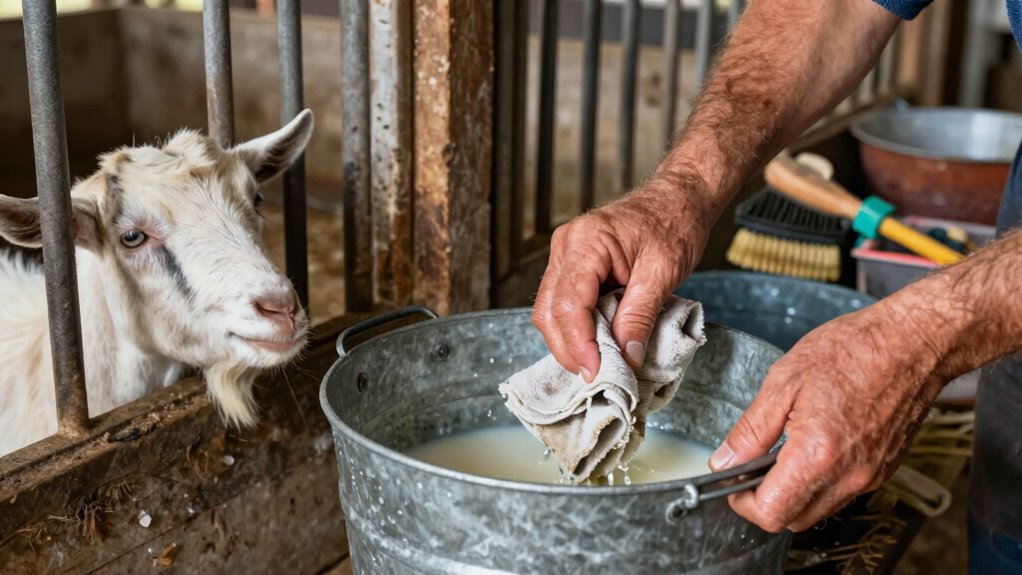
How can you guarantee the water used for goat milking remains safe? Start with regular water testing to detect any contaminants early. Testing helps identify bacteria, chemicals, or other pollutants that could compromise milk safety. Use certified testing kits or send samples to a lab for thorough analysis. To prevent contamination, always source water from a clean, reliable supply, and store it in sanitized containers. Keep water containers covered and away from potential sources of dirt or insects. Make it a routine to check water quality before each milking session, especially during heavy rain or when supply sources change. Incorporating proper sanitation practices is essential for maintaining water quality and preventing germ hotspots. Regular maintenance and cleaning of water storage and delivery systems also play a crucial role in germ hotspot prevention. Ensuring proper water source management helps minimize risks of contamination. Maintaining vigilant water quality monitoring is vital for early detection of issues. Consistent testing and contamination prevention measures ensure your water remains safe, protecting both your goats and the quality of your milk. Additionally, staying informed about local water quality reports can help anticipate potential issues and take proactive measures.
Hand Hygiene Tips to Prevent Cross-Contamination
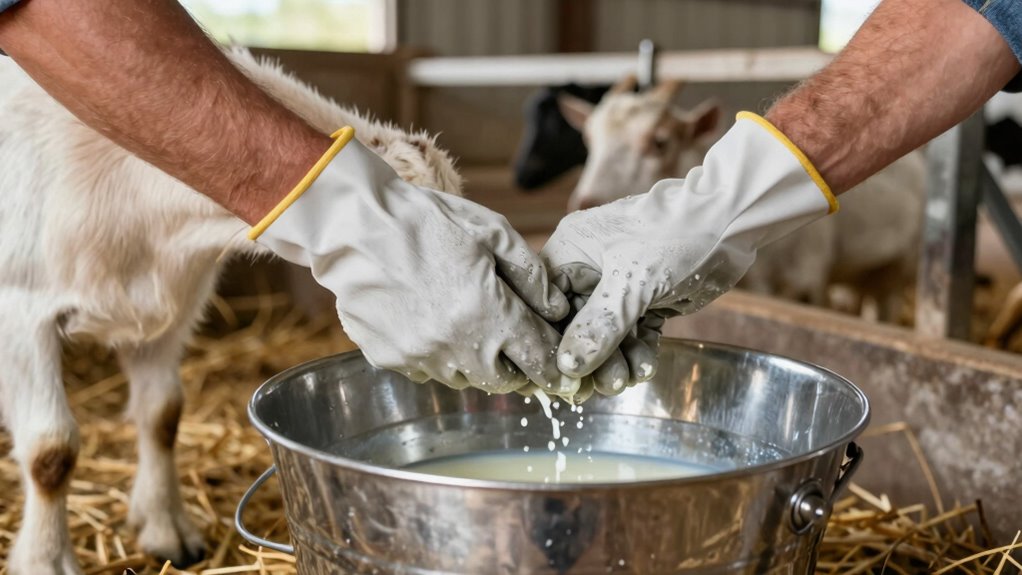
You need to wash your hands thoroughly before milking to prevent contamination. Using sanitizers properly can boost your hygiene, but they shouldn’t replace handwashing. Be mindful to avoid cross-contamination by keeping tools and surfaces clean throughout the process. Additionally, ensure your safety protocols are up to date to minimize risks during milking.
Proper Handwashing Techniques
Effective handwashing is vital to prevent cross-contamination during goat milking. You should start by thoroughly wetting your hands with clean, running water and applying soap. Focus on scrubbing all surfaces, including between fingers and under nails, for at least 20 seconds. Proper glove usage can add an extra layer of protection, but remember they shouldn’t replace handwashing—they’re an addition. After washing, rinse well and dry your hands completely using a lint-free towel. Airflow control is essential during drying to prevent airborne germs from settling on your hands; use a paper towel or hand dryer. Proper hand hygiene ensures germs stay off your hands, reducing the risk of contamination in the milking process. Always wash your hands before and after handling goats or equipment.
Use of Sanitizers Effectively
Sanitizers are a crucial tool for maintaining cleanliness and preventing cross-contamination during goat milking, especially when soap and water aren’t readily available. To use them effectively, ensure the sanitizer concentration matches the manufacturer’s instructions for proper germ-killing action. Too little won’t disinfect thoroughly, while too much can be wasteful or cause skin irritation. Always store sanitizers in a safe, labeled container away from children and animals to ensure storage safety. Apply sanitizer generously to your hands or equipment, covering all surfaces thoroughly, and allow it to air dry completely before touching other surfaces. Proper use maximizes germ elimination and helps maintain a hygienic milking environment. Regularly check sanitizer expiration dates and storage conditions to keep them effective and safe.
Avoiding Cross-Contamination
To prevent cross-contamination during goat milking, practicing good hand hygiene is essential. Always wash your hands thoroughly with soap and water before and after milking, especially if you touch equipment or the goats’ environment. Use hand sanitizer if soap isn’t available, but don’t rely solely on it. Keep the milk storage area clean and well-ventilated to reduce airborne germs. Proper barn ventilation minimizes the buildup of bacteria and ensures a healthier environment for both goats and handlers. When handling milk, avoid touching surfaces or objects that could transfer germs to the milk or equipment. Consistent hand hygiene, combined with good barn ventilation and careful milk storage practices, helps prevent cross-contamination and ensures your dairy remains safe and hygienic.
Routine Inspection and Maintenance to Eliminate Germ Hotspots
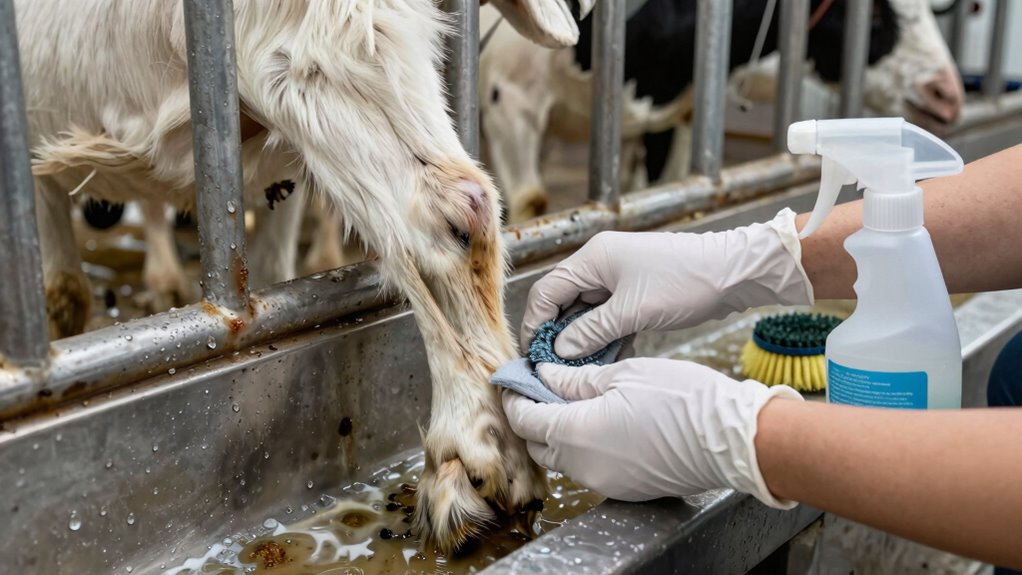
Regular inspections are essential for identifying and eliminating germ hotspots in goat milking areas. By routinely checking equipment, surfaces, and cleaning tools, you guarantee sanitation routines stay effective. Consistent maintenance prevents the buildup of bacteria and reduces contamination risks. Use a simple inspection chart to track problem areas and schedule timely cleaning.
| Area to Inspect | Key Focus | Maintenance Action | Frequency | Notes |
|---|---|---|---|---|
| Milking equipment | Residue buildup | Deep clean and sanitize | Daily | Focus on teat cups |
| Floors | Standing water | Mop and disinfect | After each milking | Prevent bacterial growth |
| Storage containers | Dirty surfaces | Wash and dry thoroughly | Weekly | Remove residues |
| Utensils | Cross-contamination | Disassemble and clean | After use | Avoid germ hotspots |
| Handwashing stations | Proper sanitation | Check soap and water | Daily | Ensure availability |
Practical Steps to Improve Your Goat Milking Sanitation Today

Implementing practical steps immediately can considerably boost your goat milking sanitation. Germ hotspots often persist due to sanitation challenges, risking contamination. To tackle these issues:
- Regularly clean and disinfect milking equipment after each use to eliminate residue and germs.
- Wash your hands thoroughly before and after milking to prevent transfer of bacteria.
- Keep the milking area dry and well-ventilated to prevent mold and bacterial growth.
- Inspect and clean udders before milking to reduce bacteria from the goat’s skin.
Common Mistakes to Avoid in Farm Sanitation
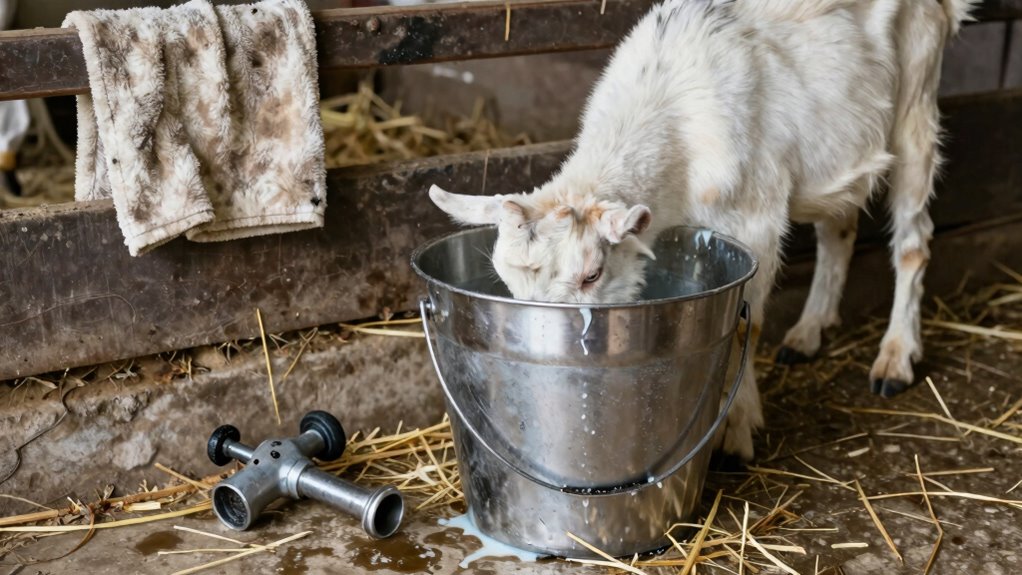
Many farmers make avoidable mistakes that compromise farm sanitation, leading to contamination and health risks. One common error is neglecting proper barn ventilation, which can cause moisture buildup and promote bacteria growth. Poor airflow increases humidity, making your goats and environment more susceptible to disease. Another mistake is inadequate feed storage; leaving feed exposed or stored improperly invites mold, pests, and germs that can transfer to your goats and milk. Failing to clean and disinfect feed bins regularly worsens the problem. Additionally, overlooking the importance of regular cleaning routines and not addressing potential germ hotspots like manure buildup or dirty equipment can undermine sanitation efforts. Preventing these mistakes helps maintain a healthier farm, reduces contamination risks, and ensures safer, cleaner milk production.
Frequently Asked Questions
How Often Should I Replace or Upgrade My Milking Equipment for Sanitation?
You should replace or upgrade your milking equipment every 5 to 7 years, depending on its equipment lifespan and usage. Regular inspections help determine if parts are worn or damaged, which can compromise sanitation. The replacement frequency varies based on wear and tear, ensuring you maintain proper hygiene. Staying proactive with equipment upgrades reduces germ buildup, keeps your goats healthy, and ensures the highest quality milk production.
Are There Natural or Organic Sanitizers Effective for Goat Milking Areas?
Your goat milking area can be effectively sanitized with natural disinfectants and organic sanitizers that pack a punch without harsh chemicals. Products like vinegar, lemon juice, or tea tree oil solutions are powerful and safe choices. These organic sanitizers kill germs and bacteria, keeping your milking environment clean and healthy. Regular use of these natural options can prevent disease and maintain the highest sanitation standards, ensuring top-quality milk every time.
What Are Signs of Contamination in Goat Milk That I Should Look For?
You should watch for signs of contamination like milk discoloration, which may appear yellowish, greenish, or have abnormal streaks. A sour odor is another clear indicator that the milk has gone bad or been compromised. If you notice either of these signs, avoid using the milk and thoroughly clean your equipment. Regularly inspecting your milk helps ensure safety and quality, preventing potential health risks for consumers.
How Can I Train Farm Staff on Proper Milking and Sanitation Procedures?
Did you know that 60% of farm staff improve their hygiene practices with proper training? To guarantee training compliance, motivate your team by emphasizing safety and quality. Use clear demonstrations, hands-on practice, and regular refresher sessions. Recognize their efforts to boost staff motivation. Regularly monitor procedures and provide constructive feedback. Engaging, consistent training helps your staff adopt best practices, reducing contamination risks and ensuring clean, safe goat milk production.
What Are the Best Storage Practices to Prevent Germ Growth Post-Milking?
To prevent germ growth in milk storage, you should keep storage containers sanitized and refrigerated at or below 4°C immediately after milking. Always cover containers tightly to prevent contamination and avoid prolonged storage times. Regularly clean your storage area and equipment to maintain hygiene. Proper milk storage is essential for germ prevention, ensuring your milk stays fresh and safe for consumption.
Conclusion
By tackling germ hotspots now, you’re safeguarding your goat milk like a true sanitation hero. Don’t let hidden germs turn your farm into a microscopic battleground—stay vigilant, keep everything spotless, and practice good hygiene every day. Remember, cleanliness isn’t just a routine; it’s the mighty shield protecting your milk’s purity. With these simple steps, you’ll turn your farm into a fortress of safety—making your goat milk the shining star of quality and trust.