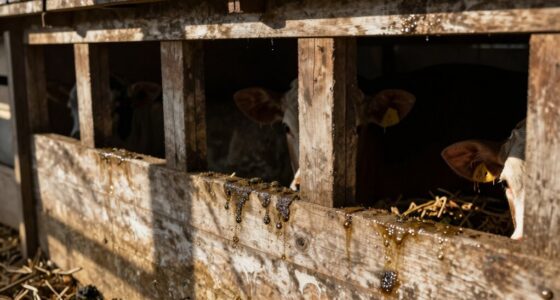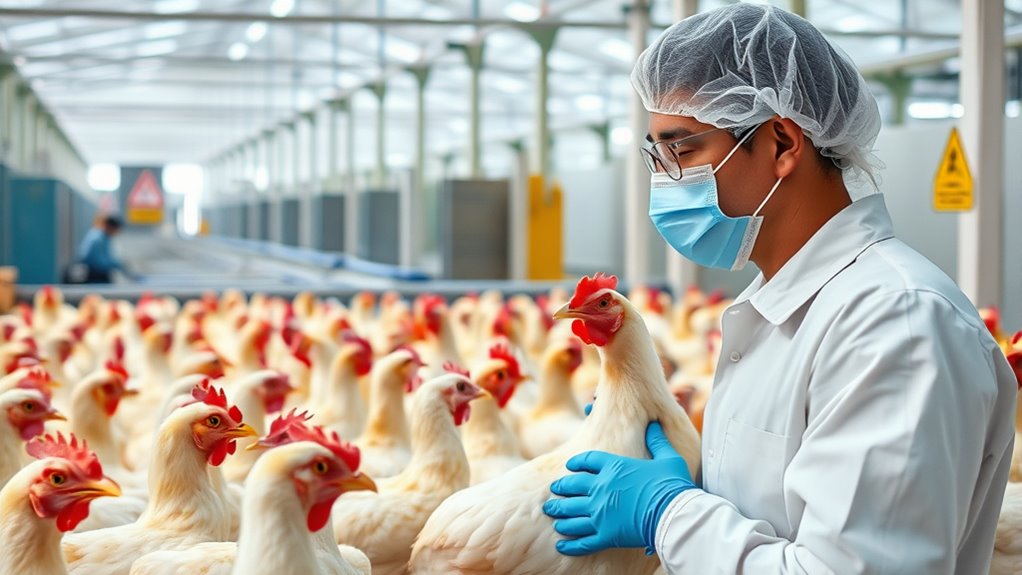

To manage H5 bird flu risks in your poultry flock, you should implement strict biosecurity measures like controlling access, disinfecting equipment, and quarantining new or returning birds. Maintain a clean environment with proper water filtration and minimize contact with wild birds and pests. Vaccinate your flock according to veterinary advice, monitor health regularly, and act quickly if you notice illness signs. Keeping up with current protocols helps you stay ahead—discover more effective steps to protect your birds.

Get garden gear delivered free with Prime
- Fast, free delivery on millions of items
- Prime Video, Amazon Music and more included
- Member-only deals all year
Key Takeaways
- Implement strict biosecurity measures, including controlled access, hygiene protocols, and wild bird exclusion.
- Regularly disinfect equipment and facilities to prevent virus entry and spread.
- Vaccinate poultry according to a tailored schedule, while maintaining biosecurity to prevent transmission from vaccinated birds.
- Monitor flock health closely, promptly isolating and testing suspicious cases for early detection.
- Educate staff, stay updated on outbreaks, and continuously review and improve biosecurity and management practices.
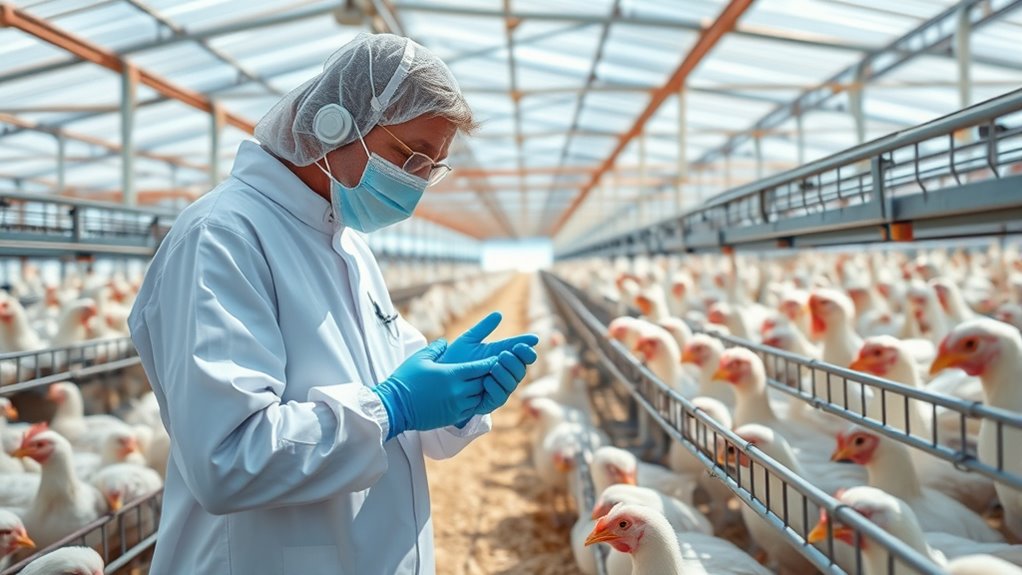
H5 bird flu poses a serious threat to poultry flocks, but you can effectively reduce your risk through proactive management. Implementing strong biosecurity measures is your first line of defense. These measures include restricting access to your farm, ensuring visitors and workers follow strict hygiene protocols, and regularly disinfecting equipment and facilities. You want to prevent any potential virus carriers from entering your flock’s environment. Separating new or returning birds from your main flock for a quarantine period also helps catch infections early before they spread. Keep wild birds and pests away from your poultry, as they can carry H5 bird flu and introduce it into your flock. Utilizing whole-house water filtration systems can help maintain clean water sources, reducing the risk of contamination. Vaccine strategies are another essential component of your control plan. Vaccinating your poultry can reduce the severity of infection and limit virus spread. Work with veterinary professionals to develop a vaccination schedule tailored to your flock’s specific needs and local risk level. Be aware that vaccination alone isn’t enough; it should complement biosecurity measures to maximize protection. Proper administration of vaccines, maintaining records, and monitoring your flock’s response are key steps. Remember that vaccinated birds can still carry and transmit the virus, so ongoing biosecurity remains critical even after vaccination. Staying vigilant is key to managing H5 bird flu risks. Regularly inspect your birds for signs of illness, such as sudden death, decreased egg production, or respiratory symptoms. Promptly isolate and test any suspicious cases to prevent potential outbreaks. Maintaining detailed records of health status, vaccination history, and biosecurity practices helps you identify patterns and respond swiftly to any issues. Keeping a close eye on local outbreak reports and collaborating with neighboring farms can also help you stay ahead of potential threats. Education plays a prominent role in effective management. Keep yourself and your staff informed about the latest developments in bird flu prevention and control. Attend workshops, follow updates from veterinary authorities, and review your biosecurity protocols regularly. The more prepared you are, the better you can adapt your strategies to changing risk levels. Ultimately, managing H5 bird flu requires a thorough approach that combines rigorous biosecurity measures with effective vaccine strategies. Your proactive efforts can notably reduce the chances of infection, protect your investment, and ensure the health of your flock. While no single measure guarantees complete protection, diligent management and staying informed position you to respond quickly and minimize the impact of this dangerous disease.
poultry farm biosecurity supplies
As an affiliate, we earn on qualifying purchases.
As an affiliate, we earn on qualifying purchases.
Frequently Asked Questions
How Does H5 Bird Flu Spread Among Wild Birds?
H5 bird flu spreads among wild birds primarily through contamination pathways, such as shared water sources or feeding areas. During wild bird migration, infected birds shed the virus in saliva, feces, and nasal secretions, contaminating the environment. These contaminated sites become hotspots for transmission, allowing the virus to spread quickly among wild bird populations and potentially reach domestic poultry through contact or shared water sources.
What Are Early Signs of H5 Bird Flu in Poultry?
You’ll notice early symptoms of H5 bird flu in poultry through behavioral changes like decreased activity, loss of appetite, and lethargy. Look for physical signs such as swelling, nasal discharge, or difficulty breathing. These early symptoms can appear suddenly, so it’s important to monitor your flock closely. Promptly isolating affected birds and consulting a veterinarian helps prevent the spread and manage the outbreak effectively.
Can Backyard Poultry Farms Effectively Prevent H5 Outbreaks?
A stitch in time saves nine, so yes, backyard poultry farms can effectively prevent H5 outbreaks. You should implement strict biosecurity measures, like limiting visitors and disinfecting equipment, and practice good feed management to reduce risks. Keeping your flock isolated from wild birds and regularly monitoring their health also helps. These steps create a strong defense against the virus, making your backyard farm safer and healthier for your poultry.
What Are the Legal Requirements for Reporting H5 Cases?
You must follow legal obligations to report any suspected or confirmed H5 bird flu cases promptly. Reporting protocols typically involve notifying local or national agricultural authorities within a specified time frame. Failing to comply can lead to penalties or quarantine measures. Stay informed about your region’s specific requirements, and guarantee you report illness signs immediately to help contain the outbreak and protect public health.
How Do Vaccination Strategies Impact H5 Bird Flu Management?
Vaccination strategies critically shape your H5 bird flu management. You’ll want to prioritize precise immunization scheduling to guarantee timely protection, boosting vaccine efficacy by preventing gaps in immunity. Strategic vaccination can suppress the spread, strengthen your flock’s defenses, and swiftly stop the flu’s spread. Proper planning and consistent application of vaccines make your management more effective, minimizing outbreaks and maintaining healthy, happy poultry populations.
Conclusion
To safeguard your poultry flock, stay vigilant and follow strict biosecurity measures. Think of your farm as a fortress—each step you take fortifies your defenses against the H5 bird flu. Regular monitoring, proper sanitation, and swift action can turn the tide in your favor. Remember, prevention is your best shield; by staying proactive, you can keep this threat at bay and ensure your flock remains healthy and resilient.
Halloween Picks
halloween
As an affiliate, we earn on qualifying purchases.