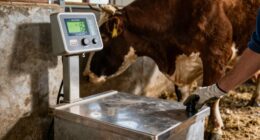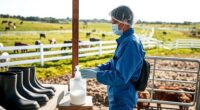
To improve your herd, implement strategic culling by removing underperforming or ill animals and use data-driven selection to choose high-quality replacements. Focus on maintaining genetic diversity to boost resilience and prevent inbreeding. Regular health assessments help identify animals needing removal to minimize disease spread. Planning replacements ensures a steady flow of productive animals while improving overall herd quality. Keep these strategies in mind to build a healthier, more productive herd—there’s more to explore if you stay engaged.
Key Takeaways
- Implement data-driven selection to identify underperformers for culling and promising replacements for herd enhancement.
- Prioritize genetic diversity to prevent inbreeding depression and improve herd resilience.
- Use health assessments and disease management to remove sick animals and promote disease-resistant replacements.
- Balance culling and replacement planning to ensure continuous, high-quality herd growth.
- Incorporate long-term strategies combining genetics, health, and performance data for sustainable herd improvement.
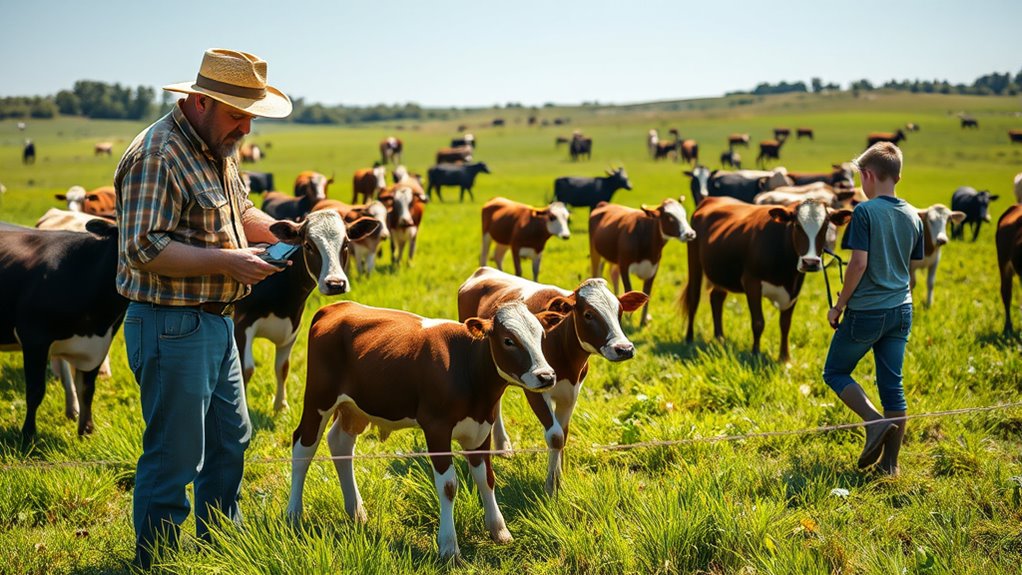
Improving herd productivity relies heavily on effective culling and replacement strategies. One of the key aspects to consider is maintaining genetic diversity within your herd. When you select animals for culling or retention, it’s essential to balance the desire for high-performing individuals with the need to preserve a broad genetic pool. This diversity helps prevent inbreeding depression, which can reduce fertility, growth rates, and overall resilience. By carefully selecting replacements that complement the existing genetic makeup, you foster a more robust herd capable of adapting to environmental changes and disease challenges. Incorporating genetic diversity into your culling decisions ensures that you don’t inadvertently narrow your gene pool, which could weaken your herd’s long-term productivity. Additionally, emphasizing digital literacy and critical thinking skills in your management practices can aid in interpreting performance data more effectively, leading to better decision-making. Disease management plays a critical role in your culling strategy. Sick or genetically predisposed animals are more susceptible to diseases, which can spread rapidly and compromise herd health. Removing animals showing signs of illness or those with a genetic tendency toward disease susceptibility helps reduce the risk of outbreaks. Regular health assessments, combined with strategic culling, keep your herd healthier and minimize the need for costly treatments or interventions. Additionally, selecting replacement animals that have been vaccinated or tested for common diseases ensures that you’re introducing healthier genetics into the herd. This proactive approach not only improves overall herd health but also enhances your ability to manage disease risks effectively. When developing your culling plan, think about both the productivity and genetic traits of your animals. Animals with poor reproductive performance, low milk yield, or health issues should be prioritized for culling. Simultaneously, focus on identifying replacements with desirable traits that can improve herd performance over time. Using data-driven decisions, such as performance records or genetic testing, enables you to select the best candidates for retention. This targeted approach ensures your herd evolves in a way that boosts productivity while also reinforcing genetic diversity and disease resilience. Furthermore, a well-structured replacement strategy involves planning ahead to ensure a steady flow of high-quality animals into the herd. This means maintaining a balance between culling underperformers and nurturing young, promising replacements. It also involves investing in genetics and health management to produce animals that are both productive and disease-resistant. By combining these elements, you set your herd up for sustained improvement, reducing risks and maximizing output. Ultimately, thoughtful culling and replacement decisions, rooted in genetic diversity and disease management, are essential for building a resilient, productive herd that can thrive now and in the future.
Frequently Asked Questions
How Do I Determine the Optimal Culling Age for My Herd?
To determine the ideal culling age, start with age assessment by tracking each animal’s production, health, and reproductive performance. Look for signs of declining productivity or health issues that affect herd longevity. You should regularly review data to identify when animals no longer contribute economically or biologically. Setting a target age based on these assessments helps maximize herd productivity, maintain herd health, and improve overall herd longevity.
What Are the Economic Impacts of Culling Versus Retention?
You’ll find that culling often boosts herd profitability by reducing maintenance costs and focusing resources on top performers. An economic analysis shows that retaining older, less productive animals can drain profits, while strategic culling frees up funds for better replacements. Though initial losses happen, in the long run, culling enhances herd efficiency and overall economic gains, making it a smart move for sustainable herd management.
How Can Genetics Influence Culling and Replacement Decisions?
Genetics plays a vital role in your culling and replacement decisions by helping you identify animals with superior breeding values. Through genetic selection, you can pinpoint individuals that contribute positively to herd performance, such as higher productivity or better disease resistance. By focusing on these genetic traits, you make informed culling choices, ensuring your herd improves over time and aligns with your production goals.
What Health Issues Should Prompt Immediate Culling?
When a health issue strikes, it’s like a wildfire spreading through your herd. Immediate culling is necessary for severe diseases like contagious mastitis or Johne’s disease, which threaten the entire herd’s health. These conditions can harm reproductive efficiency and complicate disease management. Prompt action protects your herd’s overall health, maintains productivity, and prevents costly outbreaks, ensuring your herd stays strong and resilient.
How Do Seasonal Factors Affect Herd Replacement Timing?
Seasonal factors like seasonal breeding and pasture availability substantially influence herd replacement timing. You should plan replacements to align with ideal breeding seasons, ensuring good conception rates. During peak pasture availability, it’s ideal to introduce new animals or breed your herd, maximizing growth and health. Conversely, avoid replacements when pasture is scarce or outside breeding seasons, as this can stress your herd and hinder successful integration. Proper timing promotes herd stability and productivity year-round.
Conclusion
Think of your herd as a flourishing garden. By carefully removing the weeds—those less productive animals—you make space for stronger, healthier plants to thrive. Replacing the old with new seedlings guarantees continuous growth and vitality. With strategic culling and thoughtful replacements, your herd becomes a vibrant landscape of productivity. Keep tending this garden with care, and you’ll harvest the fruits of your labor for years to come—bountiful, resilient, and ever-growing.