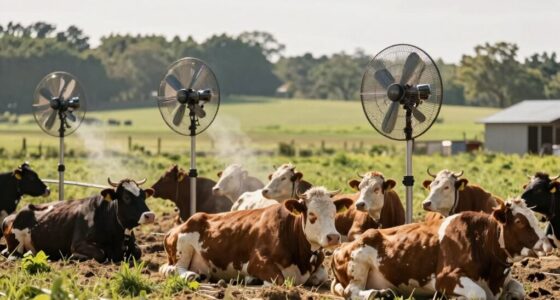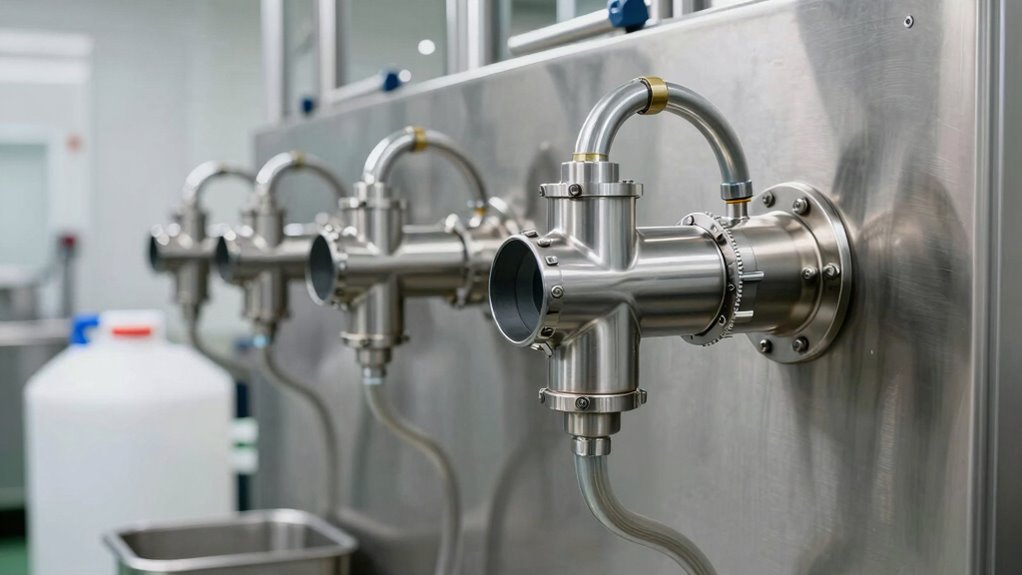

Using milk transfer pumps as shortcuts threatens your sanitation system and can lead to contamination, spoilage, and regulatory violations. Proper maintenance is essential to keep the equipment clean and functioning efficiently, preventing bacterial growth and product issues. Skipping these steps increases the risk of costly recalls, downtime, and damage to your reputation. To guarantee safety and compliance, it’s important to follow best practices. If you keep exploring, you’ll discover how to protect your process and stay compliant.

Get garden gear delivered free with Prime
- Fast, free delivery on millions of items
- Prime Video, Amazon Music and more included
- Member-only deals all year
Key Takeaways
- Properly maintained milk transfer pumps prevent contamination, ensuring product safety and compliance with sanitation standards.
- Integrating pumps into a sanitation system reduces bacterial buildup and cross-contamination risks.
- Using pumps as part of a sanitation system supports consistent operation and product quality.
- Neglecting sanitation practices with pumps can lead to regulatory violations and costly recalls.
- Incorporating pumps into sanitation routines extends equipment lifespan and enhances overall dairy processing safety.
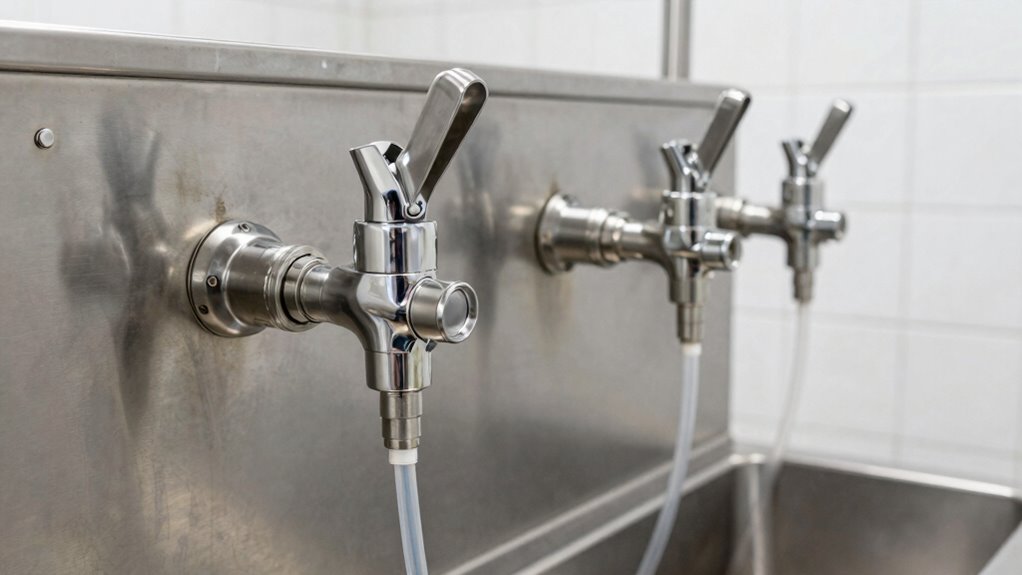
Milk transfer pumps play a critical role in maintaining hygiene and efficiency within sanitation systems, especially in dairy processing plants. These pumps are essential for moving milk safely from one stage of processing to another, ensuring that the product remains uncontaminated and meets strict quality standards. When you’re handling milk transfer pumps, it’s vital to prioritize proper pump maintenance. Regular cleaning, inspection, and repairs prevent buildup of residues that can harbor bacteria, which is crucial for upholding sanitation standards. Cutting corners on maintenance might seem like a way to save time or money, but it significantly increases the risk of contamination, product spoilage, and regulatory violations.
Proper maintenance of milk transfer pumps ensures hygiene, prevents contamination, and upholds strict dairy sanitation standards.
In a dairy environment, sanitation standards aren’t just guidelines—they’re legal requirements that protect consumers and preserve your reputation. When you neglect pump maintenance, you jeopardize these standards. Residues left in the pump can lead to bacterial growth and cross-contamination, which not only compromises milk quality but can also cause costly recalls or shutdowns. Proper cleaning protocols, including disassembly and sanitation of all pump parts, are non-negotiable. Skipping necessary steps or rushing through cleaning processes might seem like a shortcut, but it’s a risky move that can undermine the integrity of your entire sanitation system. Proper pump maintenance is a key component of effective sanitation practices. Recognizing the long-term benefits of diligent maintenance can help justify the effort and resources invested. Additionally, understanding the cumulative effects of neglect can help emphasize the importance of consistent maintenance.
It’s tempting to view pump maintenance as an inconvenience or an expense that can be deferred. However, doing so often results in downtime, equipment failure, or even contamination outbreaks. Investing in routine maintenance ensures the pump operates efficiently, reducing the likelihood of breakdowns that can halt production lines. Plus, well-maintained pumps perform better, using less energy and delivering a consistent flow rate—factors that improve overall productivity and product quality. When you adhere to sanitation standards, you’re also complying with industry regulations, avoiding penalties, and building trust with your customers. Additionally, compliance with sanitation standards ensures your business remains operational and reputable. Properly maintaining pumps also helps prevent costly repairs, saving money over time and maintaining a smooth production flow.
As an affiliate, we earn on qualifying purchases.
Frequently Asked Questions
How Do Milk Transfer Pumps Impact Dairy Product Quality?
Milk transfer pumps directly impact dairy product quality by maintaining hygiene standards and preventing milk spoilage. When used properly within a sanitation system, they guarantee the milk stays clean and free from contamination, reducing the risk of spoilage. However, if neglected or used as shortcuts, they can introduce bacteria or dirt, compromising product safety. Proper maintenance and adherence to hygiene practices are essential for preserving high-quality dairy products.
What Maintenance Is Required for Milk Transfer Pumps?
Think of your milk transfer pump as the heartbeat of your dairy operation—its health keeps everything flowing smoothly. To guarantee pump durability, you need regular cleaning procedures that prevent buildup and contamination. Check seals and valves for wear, lubricate moving parts, and replace worn components promptly. Maintaining your pump with these steps keeps it reliable, efficient, and ready to deliver quality milk every time, safeguarding your product’s integrity.
Are Milk Transfer Pumps Cost-Effective for Small Farms?
Yes, milk transfer pumps can be cost-effective for small farms when you do a proper cost analysis. They improve efficiency, reduce manual labor, and help maintain milk quality, which can lead to higher profits. While initial investments might seem high, their scalability benefits mean you can adapt them as your farm grows, making them a smart long-term investment. Just make certain you consider maintenance costs and system integration for maximum value.
How Do Transfer Pumps Prevent Cross-Contamination?
Transfer pumps prevent cross-contamination by adhering to strict sanitation standards through their thoughtful pump design. You’ll find that well-designed pumps have smooth surfaces, minimal crevices, and are easy to clean, which reduces bacteria buildup. Regular cleaning and maintenance ensure these pumps stay sanitary. By choosing pumps that meet sanitation standards, you protect milk quality and safety, making sure cross-contamination stays out of your dairy operation.
What Regulations Govern Milk Transfer Pump Use?
You must follow regulations like the FDA’s Pasteurized Milk Ordinance and USDA standards, which govern milk transfer pump use. These laws guarantee proper sanitation, preventing contamination and maintaining safety. Regulatory compliance involves using approved equipment, adhering to cleaning protocols, and documenting procedures. By following these legal standards, you protect consumer health, avoid penalties, and ensure your dairy operation meets industry requirements.
Conclusion
You see, milk transfer pumps aren’t just shortcuts—they’re essential to maintaining a clean, safe sanitation system. Imagine a dairy farm where poorly maintained pumps cause contamination, risking consumer health and damaging reputation. Instead, by investing in proper, sanitized pumps, you guarantee every drop of milk remains pure from farm to table. Remember, shortcuts might save time now, but they can cost much more in health and trust later. Choose sanitation every time.
Fall yard work Picks
leaf blowers
As an affiliate, we earn on qualifying purchases.