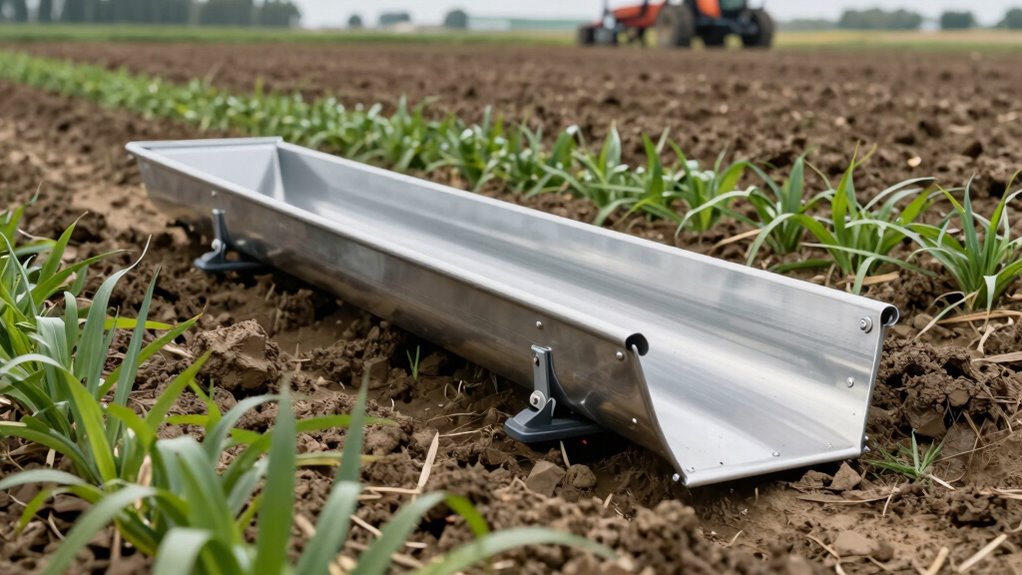

Many farms overlook the importance of proper ground placement for portable chute systems, which can cause safety hazards and inefficiencies. Soft, uneven, or poorly prepared surfaces may lead to chute shifting, livestock panic, and damage to equipment. Ensuring a level, firm, and well-drained area is essential for stability, safety, and longevity. Ignoring these details can result in costly repairs and unsafe conditions. Keep going to discover how better ground prep can make a real difference.

Get garden gear delivered free with Prime
- Fast, free delivery on millions of items
- Prime Video, Amazon Music and more included
- Member-only deals all year
Key Takeaways
- Proper ground placement ensures chute stability, reducing livestock injury and handling inefficiencies.
- Many farms choose unsuitable surfaces, increasing risks of chute sinking, shifting, and equipment damage.
- Stable, level, and well-drained surfaces are essential for safe, efficient, and durable portable chute operation.
- Inadequate ground prep leads to increased maintenance costs and safety hazards for animals and workers.
- Investing in reinforced, firm ground minimizes equipment wear and enhances overall livestock handling safety.
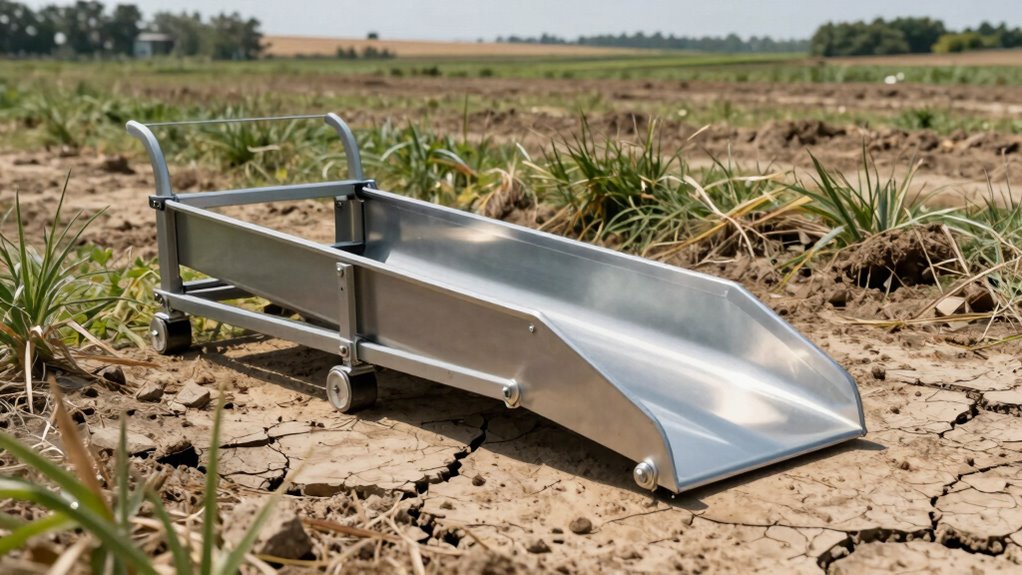
Many farms place portable chute systems without considering the significance of proper ground placement, which can lead to safety hazards and inefficiencies. When you set up a chute without paying attention to the ground condition, you risk creating unstable or uneven surfaces that can compromise livestock safety. Livestock may panic or stumble if the chute shifts unexpectedly or if the footing is slippery or uneven, increasing the chances of injury to both animals and handlers. Proper ground placement isn’t just about stability; it’s about creating a safe environment where animals feel secure and can be handled efficiently. Additionally, the type of ground surface used can influence the longevity and safety of your setup, making careful selection essential. Ensuring the ground is adequately prepared can also help prevent erosion and other environmental impacts that might compromise the setup over time.
Equally important is the durability of your equipment. When the ground isn’t properly prepared, the constant stress of uneven or soft surfaces can cause wear and tear on the chute’s structure. Over time, this can lead to costly repairs or replacement, diminishing the investment you’ve made in your equipment. A stable, well-placed ground surface helps preserve the integrity of the chute, ensuring it withstands daily use without breaking down prematurely. This not only saves you money but also keeps your operation running smoothly, without unexpected downtime caused by equipment failure. Recognizing ground stability as a crucial factor can help you make better decisions during installation and maintenance.
You should consider the terrain carefully before installation. Avoid placing portable chutes on soft, muddy, or loose soil, as these conditions can cause the system to sink or shift under pressure. Instead, look for a level, firm surface—perhaps a concrete pad, compacted gravel, or packed dirt—that provides a solid foundation. If necessary, take the time to reinforce the ground, adding gravel or compacted soil to improve stability. Proper ground placement ensures the chute remains secure during cattle handling, reducing the risk of accidents and making the process safer for everyone involved.
Additionally, think about drainage and water runoff. Standing water can weaken the ground and lead to instability, so ensure proper drainage around the setup. A well-drained area prevents mud buildup and maintains the ground’s firmness, which is crucial for fostering livestock safety and prolonging equipment durability. When the ground is stable and properly prepared, you’ll notice a smoother operation, fewer safety concerns, and less frequent equipment maintenance.
portable livestock chute ground pad
As an affiliate, we earn on qualifying purchases.
As an affiliate, we earn on qualifying purchases.
Frequently Asked Questions
How Do You Assess the Ideal Ground Placement for Portable Chute Systems?
You assess the ideal ground placement for portable chute systems by inspecting the terrain for stability and levelness, ensuring safety and efficiency. Follow the manufacturer guidelines to identify suitable spots that minimize equipment movement and wear. Regular equipment maintenance helps keep the chute in prime condition, while correct placement reduces risks of damage or accidents, making your operation smoother and more effective. Always prioritize secure, even ground for maximum performance.
What Are Common Signs of Poor Ground Placement in Chute Systems?
Like a ship lost at sea, poor ground placement sinks efficiency. You’ll notice signs like uneven cattle flow, increased equipment wear, and frequent jams. These issues highlight poor stability and positioning. To avoid this, prioritize equipment maintenance and operator training. Proper ground placement guarantees smooth operation, reduces downtime, and extends your chute system’s lifespan. Keep a close eye on these signs to steer clear of costly misalignments.
Can Portable Chute Systems Be Repositioned Easily After Initial Setup?
Yes, portable chute systems can be repositioned easily after initial setup. To do this safely, you should perform regular chute maintenance to guarantee all parts are secure and functioning properly. Worker training is essential so your team knows how to move and adjust the chute correctly without causing damage or injury. Proper procedures help maintain the system’s efficiency and safety, making repositioning a straightforward process.
What Safety Risks Are Associated With Improper Ground Placement?
You might find it no coincidence that improper ground placement can cause safety risks like equipment instability, which threatens durability and worker safety. When chute systems aren’t securely positioned, they may shift unexpectedly, risking injury. Poor placement also strains worker ergonomics, leading to fatigue or accidents. Ensuring proper ground setup helps maintain equipment durability and keeps workers safe, allowing smooth, efficient operation without unnecessary hazards.
Are There Specific Ground Types Better Suited for Portable Chute Systems?
You should choose ground with high soil stability and good drainage efficiency for portable chute systems. Firm, compact soil minimizes movement and tipping, ensuring safety and stability during operation. Avoid soft or overly sandy soils that lack stability and drainage, as these can cause the chute to shift or sink. Proper ground selection enhances safety, reduces setup issues, and keeps the system secure, making your work more efficient and safer.
Conclusion
You’ve seen how vital proper ground placement is for portable chute systems, yet many farms overlook this detail. When you prioritize stable, well-prepared ground, you reduce risks and improve efficiency. Did you know that improperly placed chutes can increase injury risk by up to 30%? Don’t let your setup be part of that statistic. Focus on solid footing, and you’ll see smoother, safer operations that benefit both your staff and your livestock.
Fall Picks
fall essentials
As an affiliate, we earn on qualifying purchases.