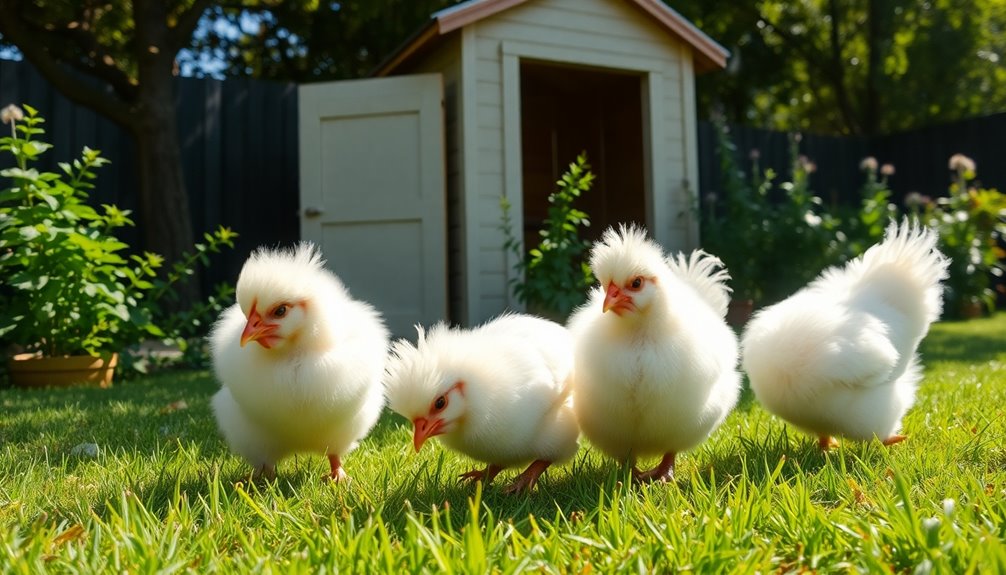
Roll-away nest boxes can keep your nesting area cleaner by preventing debris buildup and reducing parasites, but their success depends on whether your flock accepts and uses them. Proper design, secure installation, and natural placement encourage birds to feel safe and comfortable, increasing the chances they’ll adopt the boxes. If your birds resist at first, patience and adjustments can help. Stay tuned to discover tips for making these nest boxes more appealing to your flock.

Get garden gear delivered free — and shop member deals
- Fast, free delivery on millions of items
- Access to Prime Big Deal Days deals on October 6–7
- Prime Video, Amazon Music and more included
Key Takeaways
- Flock acceptance ensures regular use, keeping nests clean and reducing dirt buildup.
- Proper placement and familiar materials encourage birds to adopt the roll-away nest boxes.
- When accepted, the design minimizes waste accumulation and debris inside the nesting area.
- Patience and observation help identify and address any acceptance issues early.
- Secure, predator-proof boxes prevent damage and maintain cleanliness through consistent use.

One of the biggest advantages of roll-away nest boxes is their contribution to predator prevention. The design helps prevent predators like raccoons, foxes, or rats from reaching the eggs or chicks. Since you can access the nest from outside the coop, you don’t need to go inside and disturb the birds, which can sometimes scare them away or cause stress. The rolling or hinged mechanism acts as a barrier, making it harder for predators to tamper with the nest. When properly installed and maintained, these nest boxes serve as a secure refuge for the birds, reducing the risk of predation and encouraging the flock to lay eggs in a safe environment. Incorporating biodiversity-friendly design features can also support local ecosystems by providing safe nesting options for various bird species. Additionally, using secure nesting environments can help foster natural behaviors and improve overall bird welfare. Creating appropriate nesting conditions is essential for ensuring that the flock feels comfortable and willing to use the boxes. Providing familiar nesting materials inside the boxes can also encourage the birds to adopt them as their preferred nesting spot. It’s also important to consider the natural behaviors of your flock, as understanding these habits can help ensure successful nesting. Observing the flock’s natural instincts can further improve the design and placement of the nest boxes, increasing their acceptance. The key is patience and observation—if the birds don’t use the boxes at first, give them time to adjust.
As an affiliate, we earn on qualifying purchases.
Frequently Asked Questions
How Do Roll-Away Nest Boxes Impact Hen Behavior?
Roll-away nest boxes influence hen behavior by encouraging natural nesting habits, as the design mimics ground nests, reducing stress. They improve hen comfort by providing a secure, clean space, which promotes more frequent egg-laying and less pecking or bullying around nest sites. When hens accept the nest box design, they’re more likely to use it consistently, leading to cleaner eggs and a calmer flock overall.
Are Roll-Away Nest Boxes Suitable for All Chicken Breeds?
Sure, roll-away nest boxes aren’t a one-size-fits-all miracle. When it comes to egg laying and breed compatibility, some chickens embrace the sleek design, while others prefer traditional nests. If your flock includes breeds that love privacy or are particularly territorial, they might resist the change. So, you need to take into account your hen’s personality and breed tendencies before installing these fancy, moving boxes—otherwise, you might just get a lot of confused clucking.
What Is the Average Cost of Installing Roll-Away Nest Boxes?
The average cost of installing roll-away nest boxes ranges from $50 to $200 each, depending on the size and nest box design. You should consider the cost for egg collection efficiency and ease of use when choosing a design. Keep in mind, investing in quality nest boxes can improve cleanliness and reduce egg breakage, making them a worthwhile addition to your flock’s environment.
How Often Should Roll-Away Nest Boxes Be Cleaned?
You should clean your roll-away nest boxes at least once a week to maintain hygiene. During cleaning, consider your feeding routines and guarantee good coop ventilation, which helps reduce moisture and odor buildup. If your flock is particularly messy, you might need to clean more often. Regular cleaning prevents disease and keeps your hens comfortable, encouraging egg production and acceptance of the roll-away feature, which helps keep the nest box cleaner longer.
Do Roll-Away Nest Boxes Reduce Egg Theft?
Yes, roll-away nest boxes can help with egg theft prevention and predator deterrence. Their design encourages hens to lay eggs inside, making it harder for thieves or predators to access them. By keeping eggs out in the open, you create a natural barrier, reducing temptation and risk. When your flock accepts these boxes, they become a discreet, effective way to safeguard your eggs and deter unwanted visitors.
Conclusion
With roll-away nest boxes, you can keep your coop cleaner and reduce mess, but only if your flock is willing to use them. It’s worth trying this innovative solution to see if your chickens embrace the change. Are you ready to give your hens a cleaner, more comfortable nesting spot? Remember, sometimes a simple adjustment can make a big difference in your flock’s happiness—and your peace of mind. Why not give it a shot today?
Halloween Picks
halloween
As an affiliate, we earn on qualifying purchases.