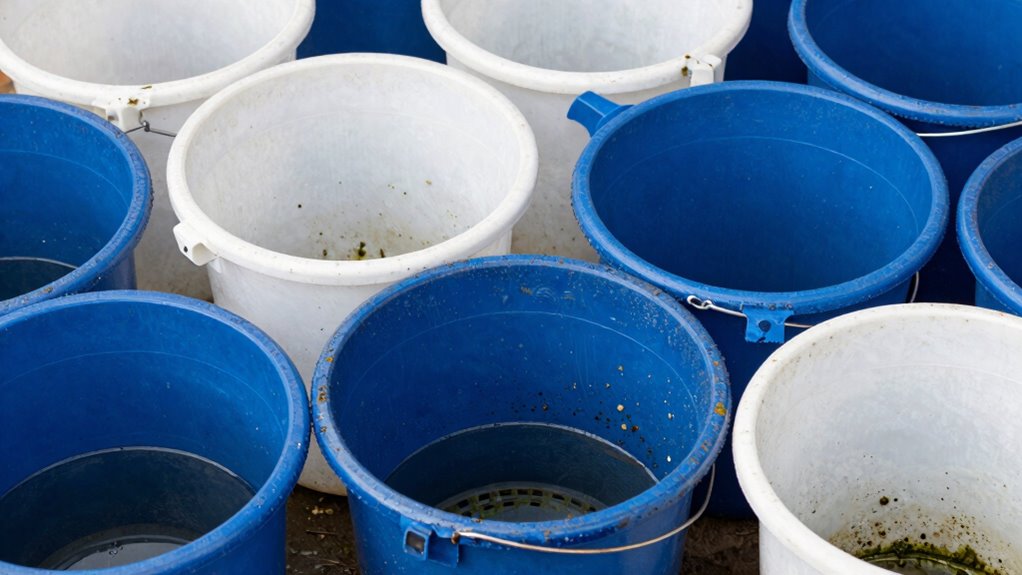

Proper drainage in your Dutch buckets is more essential than many beginners realize because it prevents waterlogged roots, reduces disease risks, and maintains nutrient flow. Without it, you might face root rot, poor plant growth, and pest problems. Good drainage ensures excess water escapes and oxygen reaches roots, promoting healthy development. If you want to avoid common pitfalls and keep your system thriving, there’s a lot more to uncover about optimizing drainage.

Get garden gear delivered free with Prime
- Fast, free delivery on millions of items
- Prime Video, Amazon Music and more included
- Member-only deals all year
Key Takeaways
- Proper drainage prevents root rot and promotes healthy oxygen flow essential for plant growth.
- Inadequate drainage causes nutrient imbalances, leading to poor plant development and reduced yields.
- Regular inspection and maintenance of drainage outlets are crucial for system efficiency.
- Proper slope and drainage hole placement ensure excess water escapes, avoiding waterlogging.
- Poor drainage environments attract pests, mold, and algae, jeopardizing overall plant health.
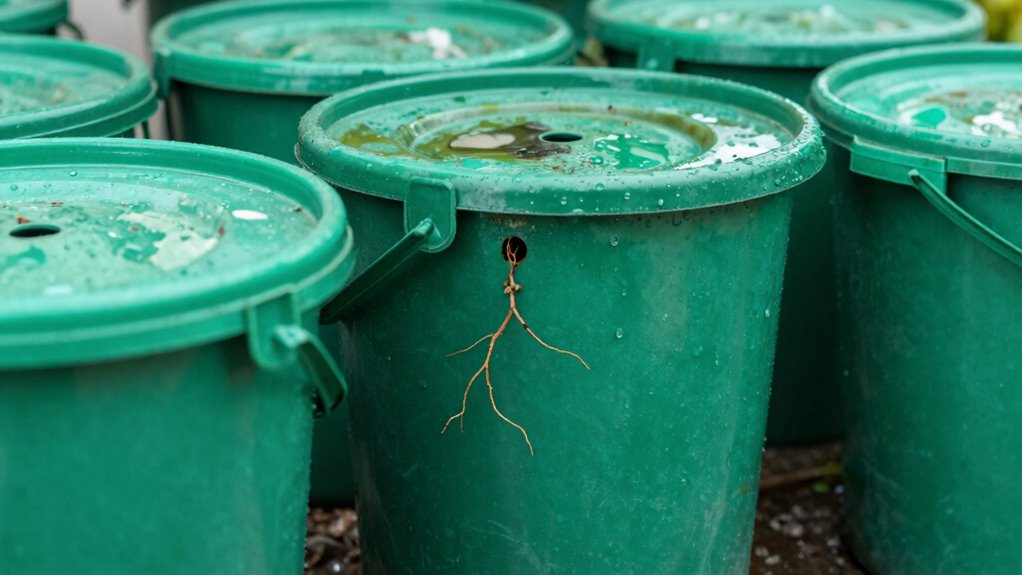
If you’re new to using Dutch buckets, you might assume that simple drainage is enough to keep your plants healthy, but in reality, proper drainage is more critical than most beginners realize. When you neglect this, you risk more than just waterlogged roots; nutrient imbalance and root rot become serious threats. Dutch buckets rely on a consistent flow of water and nutrients, and poor drainage can disrupt this delicate balance, leading to stagnant water that creates an environment perfect for pathogens. Without proper drainage, excess water pools around the plant roots, depriving them of oxygen and encouraging root rot, a destructive condition that can quickly kill your plants.
A common mistake beginners make is assuming that all they need is to keep the buckets moist. However, moisture levels are just one part of the equation. If water doesn’t drain efficiently, nutrients tend to accumulate in the container, resulting in nutrient imbalance. This imbalance can cause deficiencies or toxicities, stunting plant growth and reducing yields. When nutrients aren’t properly washed away, you might see leaf discoloration, poor development, or irregular fruiting. Proper drainage ensures that excess salts and nutrients are flushed out regularly, maintaining a healthy nutrient profile for your plants. Additionally, adequate aeration is essential for healthy root development and overall plant vitality. Ensuring good drainage design can also help prevent soil compaction and improve overall system performance. Proper system maintenance further supports optimal drainage and prevents blockages that could lead to water buildup. Regularly inspecting and cleaning drainage outlets helps to prevent clogging caused by algae or debris, which is a common issue in Dutch bucket setups. Moreover, understanding the importance of proper slope in your drainage system can help facilitate faster and more consistent water runoff.
The risk of root rot increases markedly when drainage is inadequate. Roots need oxygen to carry out respiration, but standing water cuts off their oxygen supply, weakening their defenses against diseases. Once root rot sets in, it spreads rapidly, causing plants to wilt, yellow, and eventually die if untreated. To prevent this, you need to ensure your Dutch buckets have a well-designed drainage system that allows excess water to escape freely. This might involve adjusting the slope of the buckets, using proper drainage holes, or installing a reliable overflow mechanism.
Inadequate drainage doesn’t just threaten plant health; it also complicates your maintenance routine. When water stagnates, you’ll find yourself dealing with more frequent issues like mold, algae, and pests that thrive in damp environments. These problems further weaken your plants and make it harder to maintain a balanced nutrient environment. Your goal should be to create a drainage system that prevents water from accumulating but still retains enough moisture for healthy plant growth. Regularly inspecting drainage outlets and adjusting them as needed can save you from costly setbacks caused by nutrient imbalance and root rot. Ultimately, paying close attention to drainage in your Dutch bucket system isn’t just a minor detail—it’s essential for thriving, healthy plants.
As an affiliate, we earn on qualifying purchases.
Frequently Asked Questions
How Often Should Dutch Buckets Be Checked for Drainage Issues?
You should check your Dutch buckets for drainage issues every few days, especially during peak growth periods. Regular inspections help prevent water retention and pH imbalance, which can harm your plants. Look for signs like lingering excess water, slow drainage, or uneven moisture. Address drainage problems promptly to keep your system healthy and your plants thriving. Frequent checks guarantee your Dutch buckets operate effectively and avoid potential issues.
What Are Signs of Poor Drainage in Dutch Bucket Systems?
Signs of poor drainage in your Dutch bucket system include soggy soil and water retention around the roots, which can suffocate plants. You might also notice a lack of soil aeration, leading to root rot and slow growth. If water pools or drains slowly, it’s a clear sign you need to improve drainage. Regularly check these signs to guarantee your system remains healthy and your plants thrive.
Can Improper Drainage Lead to Root Rot in Dutch Buckets?
Yes, improper drainage can lead to root rot in Dutch buckets. When the root zone becomes waterlogged, oxygen levels drop, creating ideal conditions for root rot-causing fungi. Poor drainage prevents excess water from escaping, increasing the risk. You need to guarantee proper drainage to maintain a healthy root zone, avoid waterlogging, and prevent root rot, which can severely damage your plants and reduce yields.
Are There Specific Drainage Materials Recommended for Dutch Buckets?
Think of your Dutch bucket as a garden pond—without proper drainage materials, water flow becomes stagnant, inviting problems like root rot. For ideal water flow, use gravel or clay pebbles at the bottom, which act like a filter, ensuring excess water escapes efficiently. These drainage materials help maintain healthy roots, preventing oversaturation. Prioritize good drainage to keep your plants thriving, just like a well-maintained pond stays healthy and vibrant.
How Does Drainage Affect Nutrient Absorption in Dutch Buckets?
Drainage in your Dutch buckets directly impacts nutrient absorption by preventing nutrient leaching and pH imbalance. When drainage is poor, excess water can wash away essential nutrients, reducing plant growth. It also causes pH levels to fluctuate, making nutrients less available. Ensuring proper drainage helps maintain stable conditions, allowing plants to absorb nutrients efficiently and thrive. Regularly monitoring and adjusting drainage is key to healthy, productive plants.
Conclusion
Think of your Dutch bucket system as a delicate garden hose—if you ignore the drainage, clogs build up, and flow stalls. Just like water needs a clear path to nourish plants, your system needs proper drainage to thrive. Overlooking this can cause root rot and ruin your crop. Pay close attention, keep the water flowing freely, and your garden will flourish like a well-oiled machine. Good drainage isn’t just a detail—it’s the lifeblood of your success.
Halloween Picks
halloween
As an affiliate, we earn on qualifying purchases.