
Many growers notice stress too late because early signs are often subtle, like slight discoloration, drooping leaves, or tiny holes, which are easy to overlook. You might not recognize the internal hormonal changes or subtle physical cues until damage is severe. Pest infestations and nutrient deficiencies can also hide behind apparent healthy growth. Spotting these signs early can save your crop. Keep going to discover how understanding these signals can improve your crop management skills.

Get garden gear delivered free with Prime
- Fast, free delivery on millions of items
- Prime Video, Amazon Music and more included
- Member-only deals all year
Key Takeaways
- Growers often miss early signs like subtle leaf discoloration or drooping, leading to delayed intervention.
- Pest infestations are frequently detected only after visible damage or webbing appears.
- Soil nutrient deficiencies, such as nitrogen deficiency, are recognized only when yellowing or stunted growth becomes severe.
- Relying solely on visual cues causes late detection of stress signals before crop damage occurs.
- Lack of regular monitoring and awareness of internal plant signals delays proactive responses.
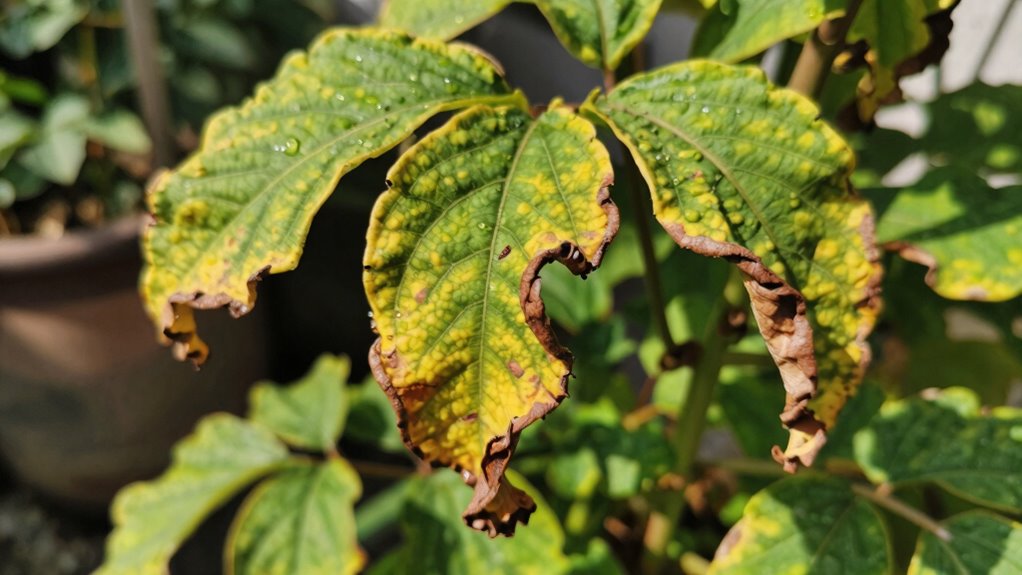
Have you ever wondered how plants detect and respond to challenging conditions? It’s fascinating because, unlike animals, they can’t move away from trouble. Instead, they rely on complex signaling systems to alert you about their stress. As a grower, you might notice subtle changes at first, but often, these signals are overlooked until the damage is severe. Recognizing early plant stress signals can save your crop and boost your yield, so understanding what to look for is essential.
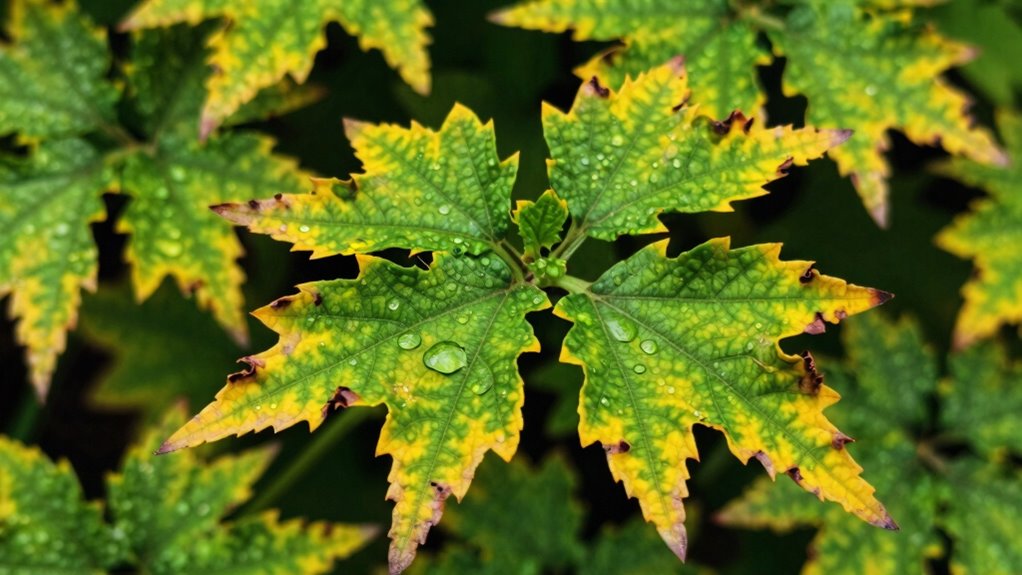
One of the most common issues is soil nutrient deficiencies. When plants lack essential nutrients like nitrogen, phosphorus, or potassium, they send out telltale signs. You might see yellowing leaves, especially on older foliage, which indicates nitrogen deficiency. Pale or stunted growth can also signal a broader nutrient imbalance, but these symptoms often appear late. By the time you notice them, your plant’s ability to recover is diminished. To catch deficiencies early, monitor your soil regularly and pay attention to subtle leaf discolorations or poor growth patterns. This early warning allows you to adjust fertilization strategies before the deficiency causes irreversible damage.
Early signs of nutrient deficiency include yellowing leaves and poor growth—monitor soil and plants to prevent lasting damage.
Pest infestation indicators are another stress signal that often arrives too late in the game. When pests attack, they leave behind visible signs—chewed leaves, holes, or sticky residue. However, by the time you see these signs, the infestation might be well-established, and your plant could already be weakened. Sometimes, pests subtly sap plant vitality without immediate visible damage, making it harder to catch early. Look for irregular leaf patterns, early leaf drop, or unusual webbing that might suggest pest activity. Regular inspection is your best tool; catching pests early can prevent widespread damage and reduce the need for heavy chemical interventions. Additionally, understanding plant signaling mechanisms can help you interpret these subtle cues more effectively. Incorporating sensor technology can also enhance your ability to detect early stress signals before they become visible. Recognizing these signals often requires an understanding of how plants communicate internally through hormonal changes, which can serve as early indicators of stress. Moreover, environmental monitoring with the right tools can provide real-time data, making early detection even more precise. Furthermore, certain environmental factors like temperature fluctuations or humidity shifts can also trigger stress responses, reinforcing the importance of comprehensive monitoring.
In both cases, recognizing early plant stress signals requires your keen observation and proactive approach. Plants often give subtle hints—slight discoloration, drooping leaves, or unusual growth patterns—that, if ignored, turn into major problems. By staying vigilant and understanding these early indicators, you can intervene sooner, applying targeted remedies to correct deficiencies or control pests before the damage becomes severe. Your ability to interpret these signals not only saves your plants but also improves your overall success as a grower. Remember, plants aren’t silent—they’re constantly communicating with you, if you’re willing to listen carefully.
As an affiliate, we earn on qualifying purchases.
Frequently Asked Questions
How Can I Prevent Stress Signals Before They Appear?
To prevent stress signals before they appear, regularly monitor your plants’ soil nutrient levels and adjust fertilization accordingly. Keep an eye out for early signs of pest infestation and address issues swiftly with natural or chemical controls. Maintaining ideal watering practices and good airflow also helps prevent stress. By proactively managing soil health and pest presence, you create a resilient environment that minimizes stress signals and promotes healthy growth.
Are Some Plant Species More Prone to Late Stress Signs?
Did you know some plant species are 50% more prone to late stress signs? Certain plants, like succulents and tropical species, have higher stress susceptibility, making it harder to detect issues early. You should pay close attention to these, as they often show delayed stress signals. By understanding which species are more vulnerable, you can adjust your care routine proactively and prevent more serious problems down the line.
What Environmental Factors Most Commonly Cause Delayed Stress Responses?
Environmental factors like soil pH imbalance and pest infestation often cause delayed stress responses in plants. You might not notice the signs right away because these issues develop gradually. When soil pH is off, nutrient uptake slows, and pests can weaken plants silently. To catch problems early, regularly monitor soil conditions and inspect plants closely, preventing severe stress and ensuring healthier growth.
Can Early Detection Improve Plant Recovery Rates?
Early detection can substantially boost your plant recovery rates. By paying close attention to subtle plant signaling and recognizing stress biomarkers early, you catch issues before they escalate. When you respond promptly, you give your plants a better chance to bounce back, minimizing damage. This proactive approach keeps your garden thriving and reduces the risk of long-term setbacks, ensuring healthier, more resilient plants over time.
How Often Should I Inspect Plants for Stress Signals?
You should inspect your plants daily, especially during high-risk periods for plant disease or pest infestation. Regular checks help you catch stress signals early, like discolored leaves, wilting, or holes. By maintaining consistent inspections, you can identify problems before they escalate, improving your chances of successful treatment. Staying vigilant allows you to act quickly, reducing damage and promoting healthier, more resilient plants overall.
Conclusion
You might think you’ll catch plant stress early, but many signals are too subtle or late to notice. It’s tempting to believe plants show obvious signs right away, but research suggests they often hide stress until it’s severe. By understanding these hidden signals, you can act sooner and save your plants. Don’t wait for the obvious; trust your intuition and stay vigilant. Your plants’ health depends on catching stress signals before it’s too late.
Fall yard work Picks
leaf blowers
As an affiliate, we earn on qualifying purchases.