
In today’s agricultural education, you’ll notice a strong shift toward integrating advanced technologies like virtual farm tours, drones, and data analysis tools. Engagement strategies now include collaborative projects and interactive digital tools, making learning more dynamic. Students develop practical skills aligned with industry needs, such as data literacy and problem-solving. Emphasizing continuous learning guarantees they stay current with innovations. To see how these trends shape the future workforce, keep exploring the evolving landscape of agricultural education.
Key Takeaways
- Increasing integration of digital tools, virtual farm tours, and simulation software enhances experiential learning in agriculture education.
- Adoption of collaborative projects, multimedia presentations, and interactive quizzes boosts student engagement and critical thinking.
- Use of drone technology and data analysis activities develops practical skills like crop assessment and resource management.
- Emphasis on continuous training ensures students stay current with emerging agricultural technologies and industry innovations.
- Education strategies focus on cultivating a tech-savvy workforce prepared for modern food production challenges.
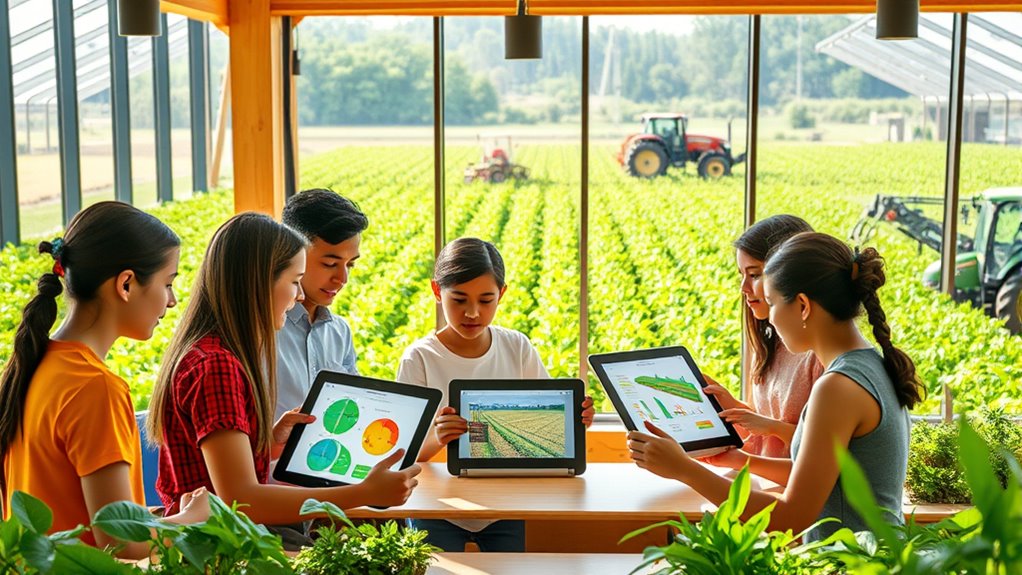
Agricultural education and workforce development are evolving rapidly to meet the demands of modern farming and food systems. As technology continues to advance, you see a shift in how students are learning and engaging with agricultural concepts. Technology integration has become a key component, transforming traditional classroom lessons into interactive experiences. Instead of just reading about crop management or livestock care, you can now participate in virtual farm tours, use simulation software, or analyze real-time data from precision agriculture tools. This hands-on approach helps you grasp complex concepts more effectively and keeps you motivated to learn. When technology is woven into your coursework, it bridges the gap between classroom theory and real-world application, making your education more relevant and practical. Additionally, incorporating high-quality visuals and real-world scenarios enhances your understanding and retention of knowledge.
Student engagement is also at the forefront of these trends. Schools and training programs are actively seeking ways to make learning more dynamic and participatory. You’re encouraged to collaborate on projects, work in teams, and solve real-world problems faced by farmers today. This collaborative environment fosters critical thinking and leadership skills, which are essential for future agricultural careers. Teachers and instructors are leveraging digital tools like online discussion boards, interactive quizzes, and multimedia presentations to create a more engaging learning atmosphere. These methods not only hold your interest but also accommodate different learning styles, ensuring that everyone can benefit from the educational experience.
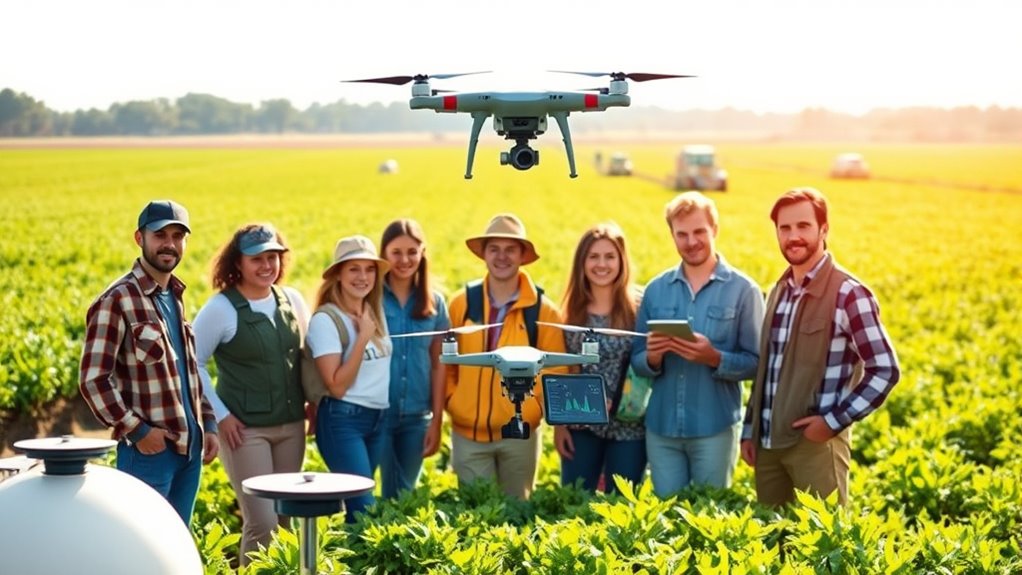
The integration of technology and a focus on student engagement go hand in hand. You’re not just passively receiving information; you’re actively involved in your learning journey. For example, you might use drone technology to assess crop health or participate in data analysis projects that simulate managing a farm’s resources efficiently. Such activities make the learning process more immersive and relevant, preparing you for a workforce that relies heavily on technological tools. Furthermore, these innovative approaches help you develop skills like data literacy, problem-solving, and adaptability—traits that employers value highly in today’s agricultural sector. Recognizing the importance of technology adoption, educational programs are increasingly emphasizing training in emerging tools and methods.
In addition, this emphasis on technology and engagement encourages continuous learning and adaptability. As new tools and methods emerge, you’re better equipped to stay current and apply the latest innovations in your future career. Overall, these trends are shaping an agricultural workforce that is more skilled, tech-savvy, and prepared to meet the challenges of modern food production. You’re at the center of this transformation, gaining knowledge and skills that will serve you well in a rapidly changing industry.
Frequently Asked Questions
How Is Virtual Reality Used in Agricultural Training Programs?
You use virtual reality in agricultural training programs by engaging in virtual simulations that mimic real-world farming scenarios. This immersive learning approach allows you to practice skills safely and efficiently, gaining hands-on experience without leaving your location. Virtual reality helps you understand complex processes, troubleshoot problems, and improve decision-making, making your training more effective and engaging. It’s a powerful tool for preparing you for real-world agricultural challenges.
What Role Do Private Companies Play in Agricultural Workforce Development?
You’ll find private companies playing a essential role in agricultural workforce development through corporate partnerships and skill certification programs. They often collaborate with educational institutions to design relevant training, ensuring workers gain practical, industry-specific skills. These partnerships also help create pathways for certification, boosting workers’ credibility and employability. By investing in workforce training, private companies not only meet their needs but also strengthen the entire agricultural sector’s future.
How Are International Trends Influencing Local Agricultural Education?
International trends shape local agricultural education through global policy and cultural exchange. You’ll notice policies promoting sustainable practices and innovation influence curriculum updates, ensuring students stay current. Cultural exchange programs introduce new techniques and perspectives, broadening your understanding and skills. This global interplay encourages adaptive, forward-thinking education, preparing you for a competitive workforce. Staying informed about international trends helps you embrace best practices and contribute effectively to local agricultural development.
What Funding Sources Support Innovative Agricultural Education Initiatives?
Imagine launching an innovative agricultural program; you can secure funding through agricultural grants and build education partnerships with local businesses. These sources support cutting-edge initiatives, providing essential resources and expertise. Agricultural grants from government agencies or foundations offer financial backing, while education partnerships foster collaboration, mentorship, and real-world learning opportunities. Together, they empower you to develop dynamic, impactful agricultural education initiatives that prepare students for future careers in agriculture.
How Is Student Diversity Being Integrated Into Agricultural Programs?
You integrate student diversity into agricultural programs by designing inclusive curricula that reflect diverse cultural backgrounds and agricultural practices. You promote cultural competency through activities, guest speakers, and community engagement, helping students appreciate different perspectives. This approach guarantees all students feel valued and represented, fostering a more equitable learning environment. By actively addressing diversity, you prepare students to work effectively in a global agricultural workforce, embracing innovation and inclusivity.
Conclusion
So, as you watch agricultural education evolve, you might think the future’s all about tech and robots. Ironically, it’s still about good old dirt, seeds, and hands-on skills—just with a shiny new digital twist. While we chase innovations, let’s not forget that the heart of farming remains in the soil and tradition. After all, it’s a little funny how we’re trying to modernize something as timeless as growing food.