
Farm organization systems often fail when you see them as temporary or too complicated, making it easy to lose momentum or revert to old habits. When systems don’t fit into your daily routines or feel too rigid, they become burdensome. To make them stick, keep plans simple, use digital tools, and regularly review your progress. Staying flexible and celebrating small wins helps maintain motivation. Keep going, and you’ll discover effective ways to make your farm more organized and productive.

Get garden gear delivered free with Prime
- Fast, free delivery on millions of items
- Prime Video, Amazon Music and more included
- Member-only deals all year
Key Takeaways
- Systems often fail due to perceived complexity, rigidity, or lack of integration into daily routines.
- Resistance to change and neglect during busy seasons hinder long-term adoption.
- Without regular review and adaptation, systems become outdated or irrelevant.
- Poor record-keeping habits and lack of accountability reduce system effectiveness.
- Maintaining consistency, simplicity, and involving the farm team enhances system sustainability.
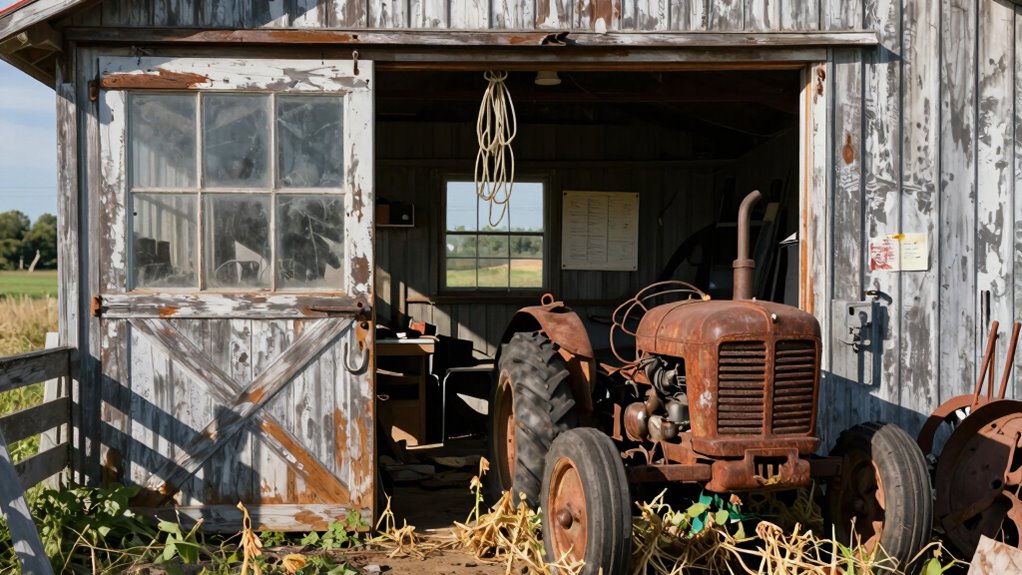
However, many farm organization systems fail because they’re often viewed as temporary or overly complicated. You might start with good intentions but lose momentum if the system feels too rigid or time-consuming. It’s common to see farmers neglect crop rotation plans or forget to update livestock records, especially during busy seasons. When the system isn’t integrated into your daily routine, it becomes just another task on a long to-do list, leading to abandonment. Additionally, resistance to change can undermine these efforts. If you’re used to doing things a certain way, adopting new practices may feel uncomfortable or unnecessary, causing you to revert to old habits. To improve the chances of success, you need practical and manageable systems that fit into your farm’s specific needs.
To make your farm organization system stick, you need practicality and consistency. Keep your crop rotation plan simple and adaptable, so it fits into your farm’s unique conditions. Use digital tools or record-keeping apps to streamline tracking, making updates quick and accessible. When it comes to livestock management, automate reminders for vaccinations, breeding, and health checks. Regularly review and adjust your plans as you learn what works best for your farm. Implementing efficient record-keeping practices can significantly reduce errors and save time. Building a culture of organization on your farm can foster ongoing engagement and accountability among team members. Also, involve your team or family members in maintaining the system; shared responsibility increases commitment. Creating a systematic approach can help you identify areas for improvement and prevent oversight. Recognizing the importance of consistent routines can help you stay on track even during busy periods.
Finally, celebrate small wins to reinforce your new practices. When you see improved soil health or healthier animals, recognize these successes to motivate ongoing discipline. Remember, a farm organization system isn’t a one-time setup but a living part of your farm’s routine. With patience, flexibility, and consistent effort, you can guarantee your system becomes second nature, leading to more efficient operations and a more productive farm.
As an affiliate, we earn on qualifying purchases.
Frequently Asked Questions
How Do I Assess if a Farm System Suits My Specific Needs?
To assess if a farm system suits your needs, start by evaluating how well it supports your crop rotation plans and soil health. Conduct soil testing to understand nutrient levels and identify deficiencies. Check if the system aligns with your crop choices, labor capacity, and sustainability goals. If it enhances productivity, conserves resources, and fits your management style, it’s likely suitable for your farm.
What Are Common Signs of a Failing Farm Organization System?
You’ll notice signs of a failing farm organization system when farm efficiency drops and crop management becomes inconsistent. If tasks aren’t well-coordinated, you may see delays, wasted resources, or declining yields. Poor communication and unclear roles often lead to mistakes. When you observe these issues, it’s time to reassess your system, improve planning, and make sure everyone’s responsibilities are clear to restore productivity and crop health.
How Can I Motivate Staff to Adopt New Systems?
You can motivate staff to adopt new systems by boosting employee engagement and practicing effective change management. Involve your team early, ask for their input, and address their concerns to foster ownership. Recognize their efforts and highlight how the new system benefits everyone. Clear communication, ongoing support, and setting achievable goals help reduce resistance, making it easier for your team to embrace change and stick with the new farm organization system.
What Role Does Technology Play in Farm System Success?
You realize that 70% of farms using precision agriculture report increased efficiency, highlighting technology’s essential role. Technology enhances farm system success by improving data management, enabling you to make informed decisions quickly. Precision agriculture tools streamline operations, reduce waste, and optimize yields. By embracing these innovations, you guarantee your farm stays competitive, increases productivity, and adapts seamlessly to changing conditions, making your system both resilient and sustainable.
How Often Should Farm Systems Be Reviewed and Updated?
You should review your farm system regularly, ideally every six to twelve months, to guarantee it remains effective. Conducting a farm system evaluation helps identify areas needing improvement, while fostering organizational adaptability keeps your system resilient to changing conditions. Frequent updates allow you to implement new practices, technologies, or strategies promptly, maintaining productivity and sustainability. Staying proactive ensures your farm system stays aligned with your goals and market demands.
Conclusion
To truly transform your farm, focus on fostering faith in your system, fueling flexibility, and following through with firm commitment. Remember, sticking to a system requires steady support, sincere synergy, and sustained effort. Stay steadfast, adapt as needed, and celebrate small successes along the way. With patience and perseverance, your farm organization can flourish, forging a future full of fruitful, fulfilling, and finely tuned success. Keep going—your growth is just around the corner!
Halloween Picks
halloween
As an affiliate, we earn on qualifying purchases.