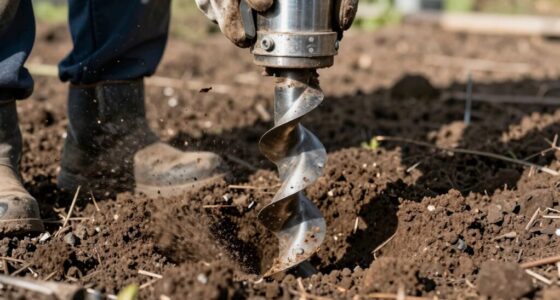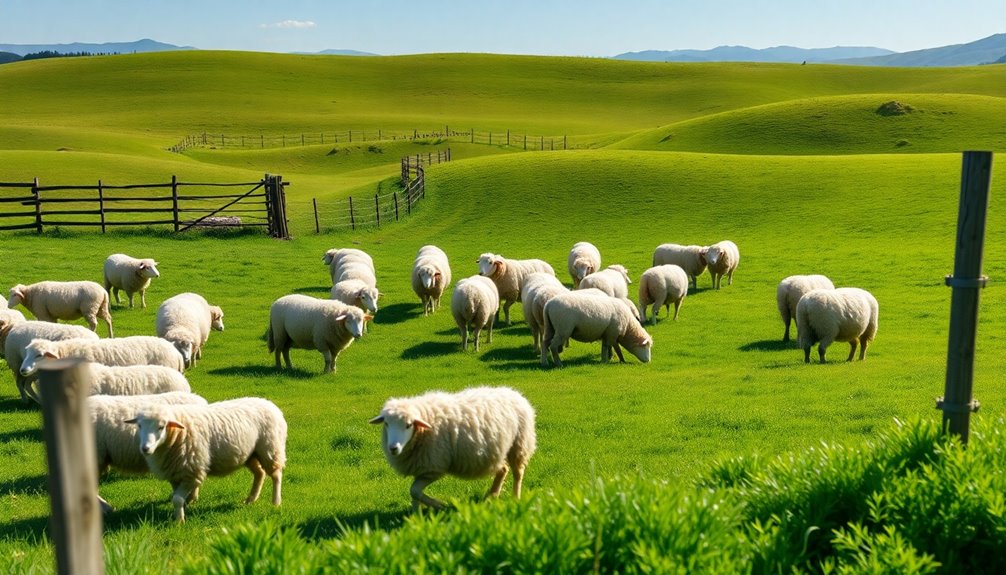
Using IoT sensors in your farm helps you collect real-time data on soil moisture, weather, and crop health. With this information, you can optimize irrigation, fertilization, and pest control to boost yields. Different sensors monitor environmental conditions, nutrients, and plant health, giving you better control. While there are challenges like costs and connectivity, ongoing innovations promise even smarter solutions. Keep exploring to discover how these advances can transform your farming operations.

Get garden gear delivered free with Prime
- Fast, free delivery on millions of items
- Prime Video, Amazon Music and more included
- Member-only deals all year
Key Takeaways
- IoT sensors provide real-time data on soil, weather, and crop health to inform precise farming decisions.
- Soil moisture and nutrient sensors optimize irrigation and fertilization, enhancing crop yields.
- Spectral sensors detect early signs of diseases and stress, enabling timely interventions.
- Automated monitoring reduces labor and allows remote management of multiple fields.
- Data analytics and AI integration predict issues and improve resource efficiency for better yields.
The Role of IoT Sensors in Modern Farming
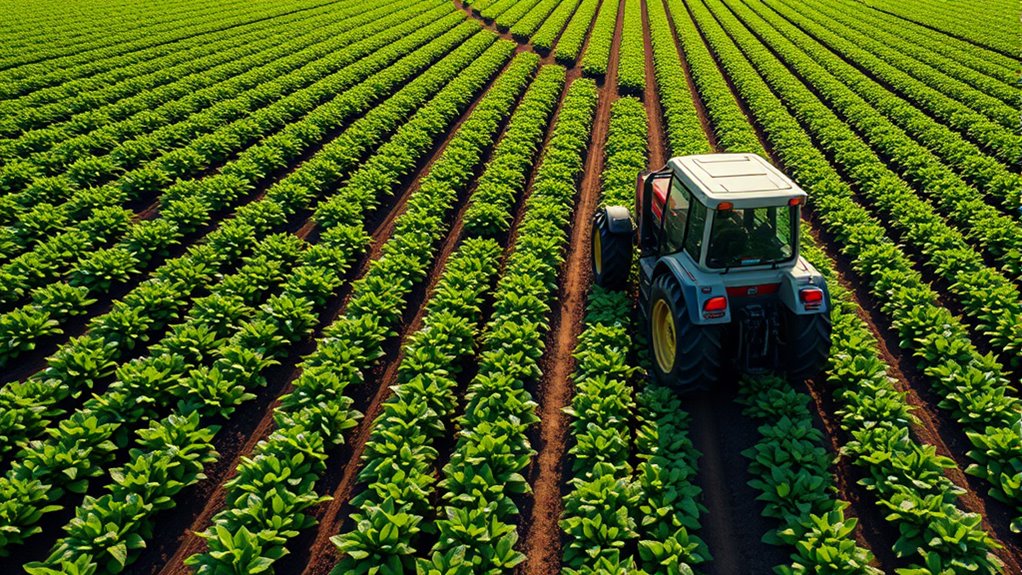
IoT sensors play a crucial role in modern farming by providing real-time data on soil conditions, weather, and crop health. With these sensors, you can monitor moisture levels, temperature, and nutrient content directly from your fields, enabling timely decisions. They help you identify issues like drought stress or nutrient deficiencies early, preventing crop loss. Sensors also track weather patterns, allowing you to plan irrigation, fertilization, and pest control more effectively. This continuous data stream reduces guesswork, helping you optimize resource use and improve yields. When integrated with farm management systems, IoT sensors give you a thorough view of your operations, making management more precise and efficient. Additionally, vacuum technology advancements are inspiring innovative solutions for cleaning and maintenance tasks within agricultural settings, further supporting farm productivity. Ultimately, they empower you to make smarter, data-driven decisions that boost productivity and sustainability.
Types of Sensors Used in Precision Agriculture
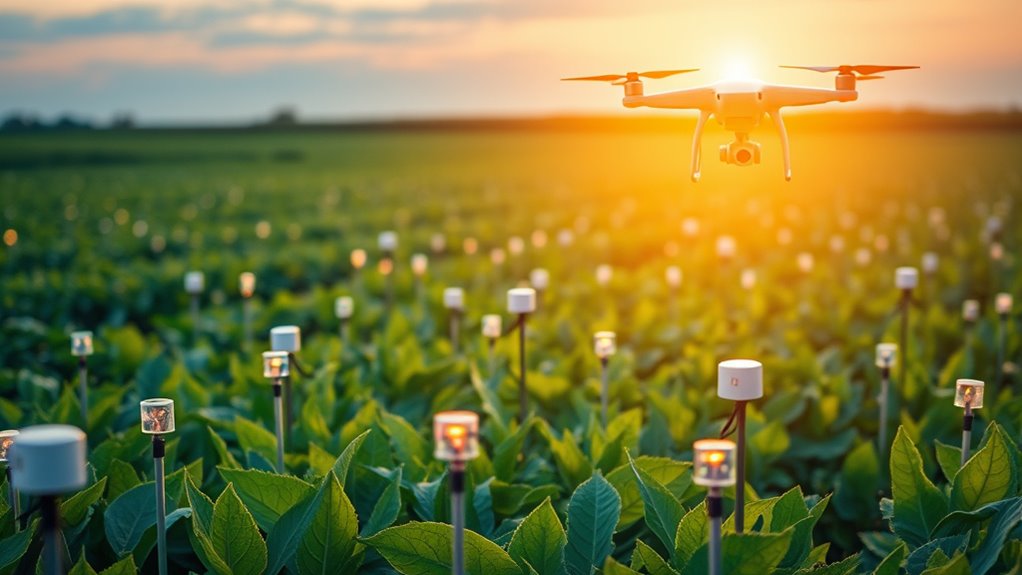
Various sensors form the backbone of precision agriculture, providing the detailed data needed to make informed decisions. You’ll encounter different types, each serving unique purposes. First, soil moisture sensors measure water content, helping you optimize irrigation. Second, temperature and humidity sensors monitor environmental conditions to prevent stress on crops. Third, spectral sensors analyze plant health by capturing light reflectance, enabling early detection of diseases or nutrient deficiencies. Other common sensors include nutrient sensors that assess soil fertility and weather sensors that track local atmospheric conditions. By integrating these sensors, you gain a thorough overview of your farm’s status, allowing you to apply resources efficiently and improve yields. Understanding the types of sensors available helps you choose the right tools for your specific needs and goals. Additionally, AI-powered analytics can interpret sensor data, providing actionable insights to optimize farm management practices.
Benefits of Implementing IoT Technology on Farms
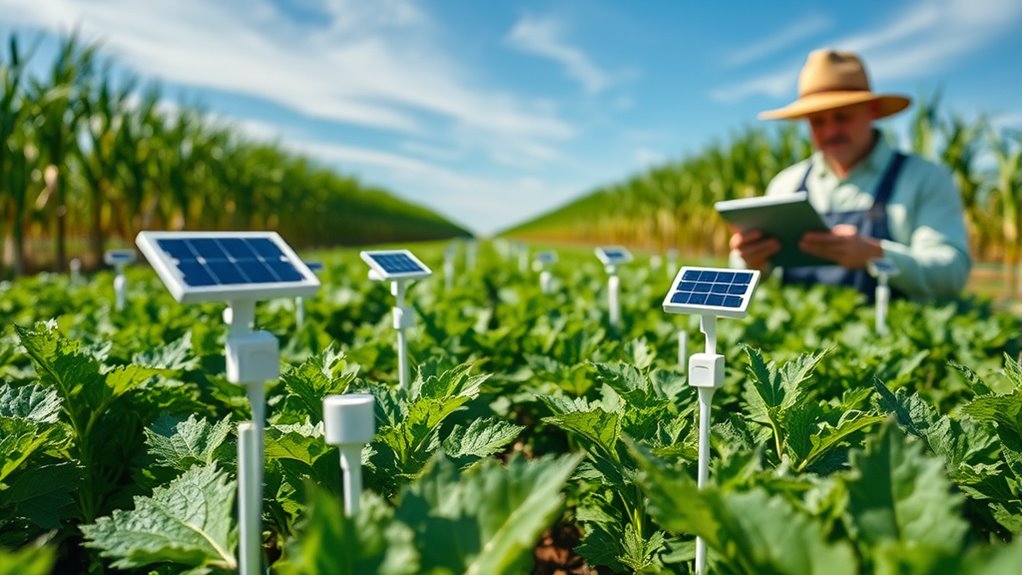
Implementing IoT technology on farms streamlines operations and enhances decision-making by providing real-time data on soil conditions, weather, and crop health. With instant access to this information, you can optimize irrigation schedules, apply fertilizers more precisely, and detect pest or disease issues early. This leads to better resource management, reducing waste and lowering costs. IoT devices enable you to monitor multiple fields remotely, saving time and effort. By making informed decisions quickly, you can increase crop yields and improve quality. Additionally, IoT integration helps you identify trends over time, supporting long-term planning. Contrast ratio plays a crucial role in analyzing image data from drone or satellite imagery used in precision agriculture, helping to assess plant health and field variability. Overall, deploying IoT on your farm boosts efficiency, sustainability, and profitability—giving you a competitive edge in modern agriculture.
Challenges and Considerations in IoT Deployment
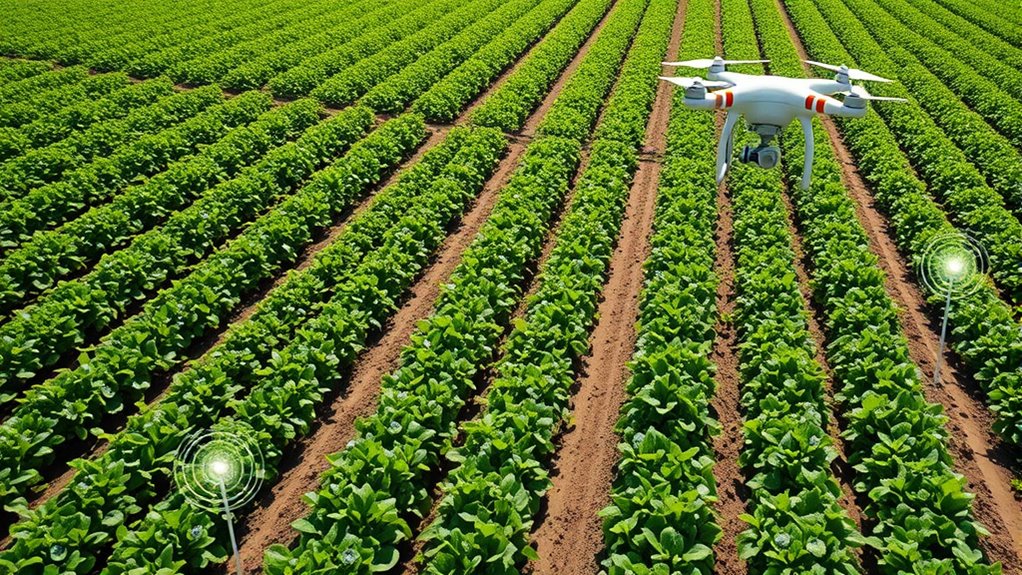
While integrating IoT technology offers significant benefits, it also presents several challenges that you need to address carefully. First, managing the high costs of sensors and infrastructure can strain your budget. Second, ensuring reliable connectivity in rural areas can be difficult, risking data gaps. Third, data security becomes critical, as sensitive farm information could be vulnerable to cyber threats. Additionally, you must consider the complexity of integrating new systems with existing farm equipment and software. Training staff to operate and maintain IoT devices effectively is also essential, preventing errors and maximizing benefits. Lastly, device durability in harsh environmental conditions requires careful selection and regular maintenance. Implementing cybersecurity measures is crucial to protect your data from potential breaches. Addressing these challenges upfront helps you implement IoT solutions smoothly and reap long-term agricultural gains.
Future Trends and Innovations in IoT-Driven Agriculture
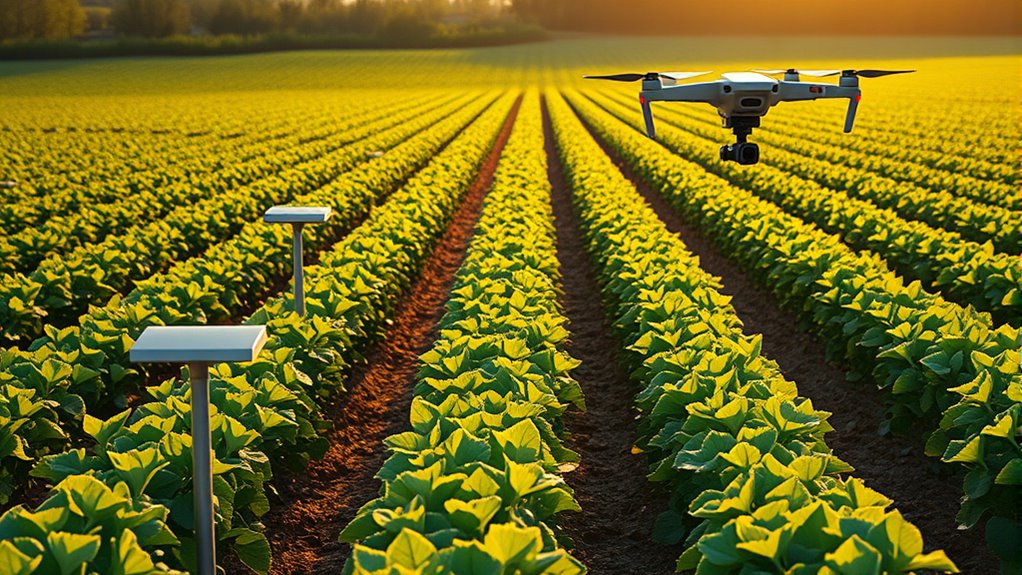
Advancements in IoT technology are driving rapid innovation in agriculture, opening new pathways for smarter, more efficient farming practices. You can expect increased use of AI-powered sensors that analyze soil health, weather patterns, and crop conditions in real-time. Future trends include autonomous machinery that reduces labor costs and enhances precision, along with drone surveillance for large-scale monitoring. Integration of blockchain will improve supply chain transparency and traceability, helping you make certain of quality from farm to table. Additionally, predictive analytics will enable you to anticipate pest outbreaks or weather disruptions before they happen. These innovations will make your operations more sustainable, productive, and resilient, empowering you to optimize resources and maximize yields with minimal environmental impact. Staying ahead means embracing these cutting-edge solutions now.
Frequently Asked Questions
How Cost-Effective Is Iot Technology for Small-Scale Farmers?
IoT technology can be quite cost-effective for small-scale farmers, especially since prices are decreasing and user-friendly options are increasing. You can save money by optimizing water use, reducing fertilizer waste, and avoiding over-application, which lowers costs over time. While initial investments might seem high, the long-term benefits of increased yields and resource efficiency often outweigh the upfront expenses, making IoT a smart choice for small farms.
What Training Is Needed for Farmers to Operate Iot Systems Effectively?
Think of yourself as a modern-day explorer venturing into new territory. To operate IoT systems effectively, you’ll need basic training in sensor setup, data interpretation, and troubleshooting. You might attend workshops, watch online tutorials, or work closely with tech providers. Practice is key—spend time learning the system’s interface and understanding data signals. With some effort, you’ll master these tools and boost your farm’s productivity.
How Is Data Security Managed in Iot-Enabled Farms?
You manage data security on IoT-enabled farms by implementing strong encryption protocols to protect your data during transmission and storage. You also set up secure user authentication systems to restrict access and regularly update your devices’ firmware to patch vulnerabilities. Additionally, you monitor network activity for suspicious behavior and educate your team on best cybersecurity practices, ensuring your farm’s sensitive information stays safe from cyber threats.
Can Iot Sensors Be Integrated With Existing Farm Management Software?
Yes, IoT sensors can be integrated with your existing farm management software. You’ll need compatible APIs or middleware that connect the sensors’ data streams to your software platform. Many vendors offer integration options, so check your current software’s compatibility and explore available plugins or custom solutions. Once connected, you’ll gain real-time insights, streamline operations, and improve decision-making, ultimately enhancing your farm’s productivity and efficiency.
What Environmental Impacts Are Associated With Deploying Iot Sensors in Agriculture?
You might think IoT sensors just help your crops grow, but they also leave a carbon footprint from manufacturing and energy use. While they reduce pesticide runoff and water waste, they contribute to electronic waste and data energy consumption. Ironically, their high-tech benefits come with environmental costs, like increased resource extraction and e-waste. So, deploying sensors might just turn your farm into a high-tech, eco-challenged landscape.
Conclusion
By embracing IoT sensors in your farm, you’re revealing the secret to heroically bountiful harvests and transforming your land into a marvel of modern agriculture. Imagine a future where every seed sprouts perfectly, every drop of water is maximized, and your yields soar beyond your wildest dreams—all thanks to cutting-edge technology. Don’t hold back—dive into IoT-powered farming now and witness your fields become legendary, changing the world one sensor at a time.
Fall yard work Picks
leaf blowers
As an affiliate, we earn on qualifying purchases.