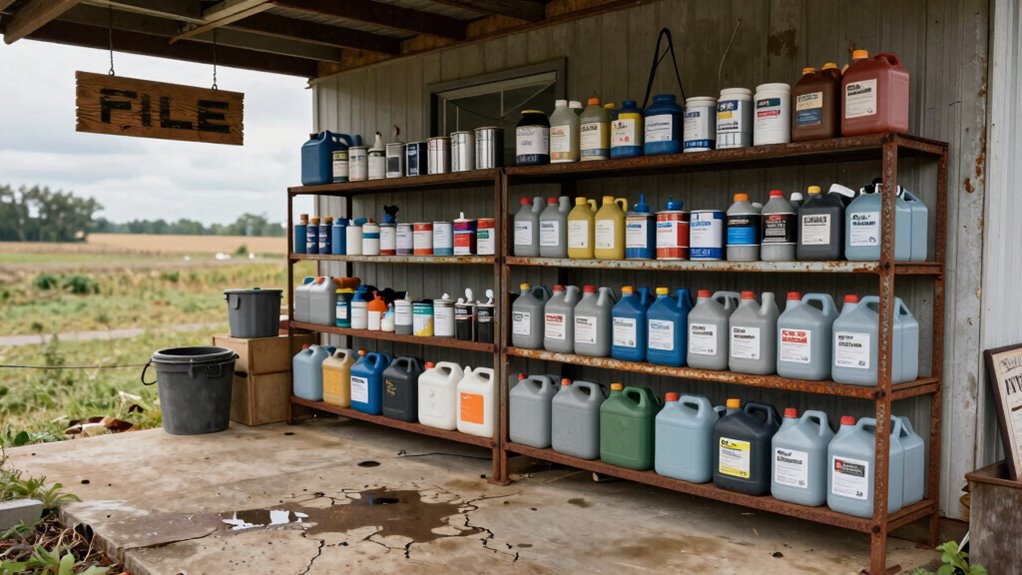

If your rural shop lacks proper chemical storage, you risk accidents, spills, and regulatory violations that can halt your operations. Unsafe storage can harm workers, the environment, and your reputation, costing you more in the long run. Prioritizing secure, well-labeled containers, segregation of incompatible chemicals, and regular inspections can prevent hazards and keep you compliant. Keep going to discover proven ways to improve your storage practices and safeguard your shop’s future.

Get garden gear delivered free with Prime
- Fast, free delivery on millions of items
- Prime Video, Amazon Music and more included
- Member-only deals all year
Key Takeaways
- Proper chemical storage prevents spills, leaks, and accidental reactions, reducing safety hazards before expanding tools or equipment.
- Segregating incompatible chemicals minimizes risks and protects workers and the environment in rural shop settings.
- Regular staff training ensures safe handling and storage, preventing costly accidents and regulatory violations.
- Implementing clear signage, safety data sheets, and inspection protocols enhances overall safety and compliance.
- Investing in secure, organized storage solutions safeguards existing inventory and prepares the shop for future growth.
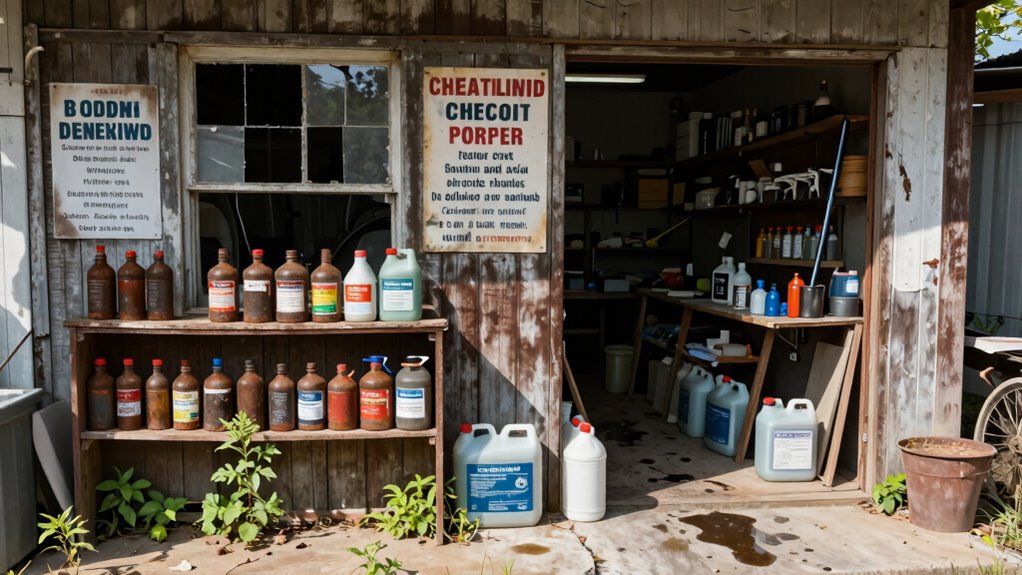
Many rural shops currently lack proper chemical storage, which can pose serious safety risks. Without appropriate storage solutions, chemicals might be stored haphazardly, increasing the chances of spills, leaks, or accidental mixing. This not only jeopardizes the safety of anyone working in or visiting your shop but also puts your entire operation at risk of regulatory violations. Ensuring safety compliance isn’t just about following rules; it’s about protecting lives and safeguarding your business assets.
Proper chemical storage is essential to prevent accidents, protect safety, and ensure regulatory compliance in your shop.
To improve safety, you need to prioritize effective storage solutions that are specifically designed for chemicals. These solutions include secure, clearly labeled containers and storage units that prevent accidental spills or unauthorized access. Investing in proper shelving, cabinets, or containment trays can help contain leaks if they occur, minimizing environmental and health hazards. It’s essential to segregate incompatible chemicals—such as acids and bases or flammable substances—to prevent dangerous reactions. Proper storage means not only choosing the right containers but also ensuring they’re in a well-ventilated area, away from heat sources or direct sunlight. Ventilation reduces the risk of fumes building up, which can cause health issues or even fires.
Implementing safety compliance measures involves training your staff on proper chemical handling and storage procedures. Educate everyone about the importance of reading labels, understanding Material Safety Data Sheets (MSDS), and following protocols for storage and disposal. Regular inspections are essential to identify potential hazards, such as damaged containers or outdated chemicals, which need immediate attention. Establishing a routine for checking storage areas keeps safety top of mind and helps maintain a safe working environment. Additionally, understanding biodiversity and its preservation can influence how you manage chemical waste to reduce environmental impact. Proper storage also helps prevent chemical reactions, which can be dangerous and costly to manage. Incorporating ventilation systems in your storage areas is critical for maintaining air quality and reducing the buildup of hazardous fumes. Creating a comprehensive safety plan can further enhance your shop’s preparedness for emergencies and ensure consistent safety standards. Additionally, incorporating safety data sheets into your protocols ensures clear communication of hazards and safety measures for each chemical stored.
In addition, your shop should have clear safety signage and access to emergency equipment, like spill kits and fire extinguishers. These are indispensable in case of accidental releases or fires. Proper documentation of chemical inventory and storage practices also ensures you remain compliant with local safety regulations. This documentation can streamline audits and inspections, demonstrating your commitment to safety compliance and responsible storage.
Ultimately, before you focus on acquiring more tools or expanding your inventory, you should invest in better chemical storage. Doing so creates a safer workspace, reduces legal liabilities, and ensures your business can operate smoothly without avoidable accidents. Proper storage solutions aren’t just an investment in safety—they’re a foundation for sustainable and responsible business practices. Prioritize safety compliance now, and you’ll avoid costly consequences later.
chemical storage cabinets for rural shops
As an affiliate, we earn on qualifying purchases.
As an affiliate, we earn on qualifying purchases.
Frequently Asked Questions
What Are the Most Common Chemicals Stored in Rural Shops?
You commonly store chemicals like fertilizers, pesticides, diesel, and engine oils in rural shops. To guarantee safety, you need proper chemical labeling and sturdy storage containers. Using clearly marked containers helps prevent accidents, spills, and misuse. Proper storage practices also protect your health and environment. Prioritizing good chemical storage now means you’ll avoid costly mistakes and hazards later, keeping your rural shop safe and compliant.
How Do Poor Storage Conditions Affect Chemical Safety?
Poor storage conditions can seriously compromise chemical safety by increasing the risk of chemical contamination and accidents. When storage regulations aren’t followed, hazardous chemicals might leak, spill, or react unexpectedly, endangering your health and environment. You might also face legal issues and fines. To prevent this, make sure chemicals are stored properly, in designated containers and areas, following all safety and storage regulations to keep everyone safe.
Are There Cost-Effective Storage Solutions for Small Shops?
Think of your storage as a safe harbor—you need it sturdy and well-ventilated. You can find affordable shelving that keeps chemicals organized and off the ground, reducing hazards. Combine that with simple ventilation options like exhaust fans or vents to prevent fumes buildup. These cost-effective solutions protect your shop, prevent accidents, and keep your workspace safe without draining your budget. Proper storage is the anchor of safety in your shop.
What Training Is Needed for Safe Chemical Handling?
You need training that covers proper labeling of chemicals to prevent misuse and accidents. Focus on understanding Material Safety Data Sheets (MSDS) and how to interpret labels. Emergency preparedness is also vital; learn how to handle spills, fires, and exposures effectively. Regular safety drills and refresher courses help reinforce safe handling practices, ensuring you’re ready to respond quickly and confidently to any chemical-related emergencies.
How Can Shops Prevent Chemical Leaks and Spills?
To prevent chemical leaks and spills, you should guarantee proper chemical labeling so everyone knows what’s stored where. Use spill containment measures like trays or barriers under storage areas to catch leaks early. Regular inspections help spot potential issues before they escalate. Keep your shop organized, store chemicals securely, and train staff on spill prevention practices. These steps protect your team and prevent costly accidents.
Conclusion
You might think investing in better chemical storage isn’t urgent, but it’s essential for your safety and the environment. Proper storage prevents accidents, spills, and contamination, saving you money and headaches down the line. Don’t wait until a mishap occurs—taking proactive steps now guarantees your shop stays safe and compliant. Prioritize better storage today, and you’ll protect your livelihood and community from avoidable risks tomorrow.
Halloween Picks
halloween
As an affiliate, we earn on qualifying purchases.