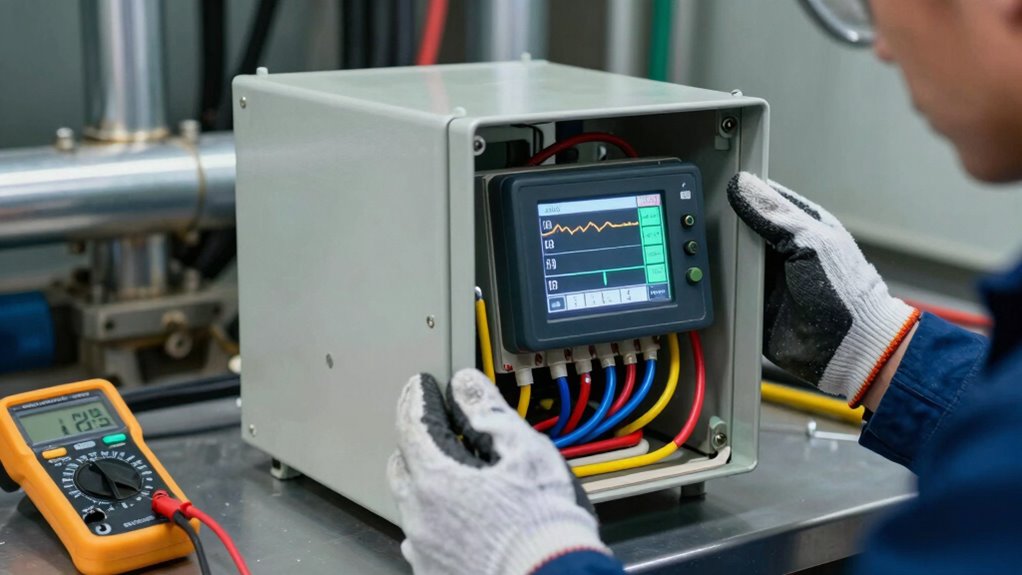

If your submersible well pump faces issues like low water pressure, strange noises, or frequent cycling, you should check for common causes such as electrical problems, sediment buildup, or installation errors. Signs like vibrating or unsteady operation point to mechanical issues, while pressure drops could indicate a failing pump or water quality changes. Understanding these symptoms helps you pinpoint the problem—keep exploring to discover how to troubleshoot each effectively.

Get garden gear delivered free with Prime
- Fast, free delivery on millions of items
- Prime Video, Amazon Music and more included
- Member-only deals all year
Key Takeaways
- Identify water flow and pressure issues, such as low pressure or sudden drops, by inspecting well components and potential obstructions.
- Listen for unusual noises or vibrations to detect mechanical problems like misalignment, cavitation, or worn bearings.
- Monitor electrical connections and control systems for faults, overheating, or power supply inconsistencies causing pump failure.
- Check water quality for sediment buildup and inspect well casing for leaks or corrosion to prevent damage and maintain efficiency.
- Recognize signs of pump failure, like frequent cycling or system shutdowns, and perform regular maintenance to extend lifespan.
Popular right now

Bose QuietComfort Ultra Wireless Noise-Cancelling Headphones with Spatial Audio, Black

Bose QuietComfort Headphones (2nd Gen), Wireless Noise-Cancelling Over-Ear Headphones, Black

De'Longhi 15-Bar Pump Espresso Machine with Milk Frother & Temperature Control
As an affiliate, we earn on qualifying purchases.
Recognizing Low Water Pressure and What Causes It

Low water pressure is often the first sign that your submersible well pump isn’t working properly. You might notice the flow of water slowing down or becoming inconsistent. Several factors can cause this, including water table fluctuations, which affect the amount of water available for your pump. During dry seasons or droughts, the water level drops, making it harder for the pump to draw water efficiently. Pump installation issues can also lead to low pressure—if the pump isn’t positioned correctly or the pipes are clogged, water can’t flow smoothly. Recognizing these signs early helps you determine whether the problem stems from changing water levels or installation errors, so you can address the root cause and restore proper water flow. Additionally, fluctuations in the water table are influenced by nanotechnology-based solutions that monitor groundwater levels for more precise management.
How to Detect Unusual Noises and Vibrations From Your Pump

Unusual noises and vibrations are clear signs that something may be wrong with your submersible well pump. Pay close attention to sounds like grinding, banging, or squealing, as they often indicate mechanical issues. When you notice vibrations, perform vibration analysis by feeling the pump casing for abnormal movement or resonance. Excessive vibration could signal misalignment, cavitation, or worn bearings. To accurately detect these symptoms, listen carefully during pump operation and observe any unusual shaking or noise intensity. Keep in mind that persistent or loud disturbances may worsen over time, risking damage to your pump. Regularly inspecting the pump casing for unusual sounds or excessive vibrations helps you catch problems early, preventing costly repairs or failure. Additionally, understanding the thermal behavior of your pump can help identify overheating issues that may contribute to abnormal noises or vibrations. Recognizing load factors and how they influence pump performance can also aid in troubleshooting and ensuring longevity. Monitoring operating conditions can provide further clues to underlying issues affecting your pump’s performance. Being aware of mechanical wear and its progression can help you schedule timely maintenance before major failures occur. Moreover, implementing proper installation practices can reduce the likelihood of vibration-related problems over the long term.
Signs of Pump Failure and When to Call a Technician
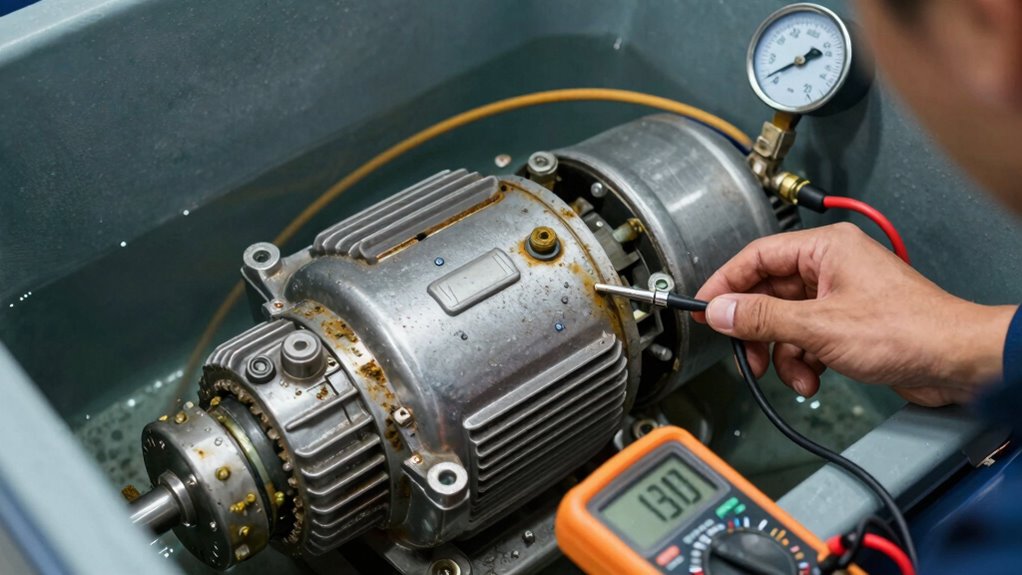
If you notice a drop in water pressure or your pump making strange noises, it could be a sign of trouble. Frequent power trips are also a red flag that your pump might be failing. Knowing these warning signs helps you decide when it’s time to call a technician before the problem worsens. Additionally, Gold IRA markets have demonstrated the importance of recognizing early indicators of issues to protect investments, much like identifying early signs of pump failure can prevent costly repairs. Regular maintenance checks and understanding essential survival tools can help prolong the lifespan of your pump and avoid emergency situations. Monitoring noise levels can also provide clues about potential mechanical issues before they become severe. Staying vigilant about common pitfalls, such as overexposure to certain conditions, can ensure your pump remains functioning efficiently over time. Being proactive with preventative maintenance can significantly reduce unexpected breakdowns and extend the overall life of your pump.
Decreased Water Pressure
Have you noticed your water pressure dropping unexpectedly? This can signal a pump failure or issues like water chemistry imbalances. First, consider these key factors:
- Pump installation errors can cause inconsistent pressure; improper setup might restrict flow. Ensuring proper installation procedures can prevent many common issues.
- Changes in water chemistry, such as mineral buildup, can impair pump components and reduce efficiency.
- Physical wear or debris clogging the system may decrease flow rate, making pressure drop. Regular system maintenance can help prevent many common issues that lead to pressure drops.
- Additionally, monitoring water chemistry and adjusting treatments can help maintain optimal pump performance and longevity. Proper system design and component selection are crucial for efficient operation and can reduce the likelihood of pressure problems.
- In some cases, fluctuations in power supply or electrical issues can also affect pump operation, leading to pressure inconsistencies.
If you’ve checked these and still experience low pressure, it’s time to call a technician. They can assess whether the pump is failing, if water chemistry needs adjustment, or if repairs are needed after inspecting the installation. Addressing the problem early prevents further damage and ensures a steady water supply.
Unusual Pump Noises
Strange noises coming from your submersible pump often indicate that something is wrong with its components. If you hear grinding, banging, or screeching sounds, it could signal a problem with pump installation or wear on internal parts. These noises may also point to compromised well casing integrity, causing vibrations or misalignment. Ignoring unusual sounds can lead to further damage or complete pump failure. When you notice persistent or loud noises, it’s time to call a technician. They can inspect the pump, check for loose fittings, worn bearings, or debris, and assess the well’s condition. Addressing these signs early helps prevent costly repairs and ensures your well system functions reliably. Regular maintenance and professional inspections are essential for preventing unexpected failures and prolonging the lifespan of your pump. Additionally, understanding how pump components can help you recognize which parts might be causing the issue. Awareness of well casing integrity and its impact on performance can also aid in early detection of potential problems. Monitoring vibration levels can serve as an early warning sign of internal issues. Don’t delay professional help if unusual noises persist.
Frequent Power Trips
Frequent power trips are a clear sign that your submersible pump may be failing or experiencing electrical issues. These trips can reduce pump efficiency and threaten system longevity. To identify the root cause, consider these steps:
- Check for electrical overloads or short circuits, which can trip the breaker repeatedly. Electrical issues are often caused by faulty wiring or damaged components.
- Inspect the motor and wiring for signs of damage or corrosion that hinder proper operation.
- Evaluate the pump’s performance; frequent trips often indicate internal component wear or debris buildup.
- Be aware that underlying issues like narcissistic manipulation or emotional neglect in related systems can also subtly affect maintenance and troubleshooting processes. Additionally, factors such as water quality or sediment buildup can contribute to electrical problems in the pump.
Addressing these issues promptly helps maintain ideal pump efficiency and extends the lifespan of your system. When troubleshooting persists or you’re unsure, it’s best to call a technician to prevent further damage and ensure reliable operation.
Common Electrical Problems in Submersible Well Pumps
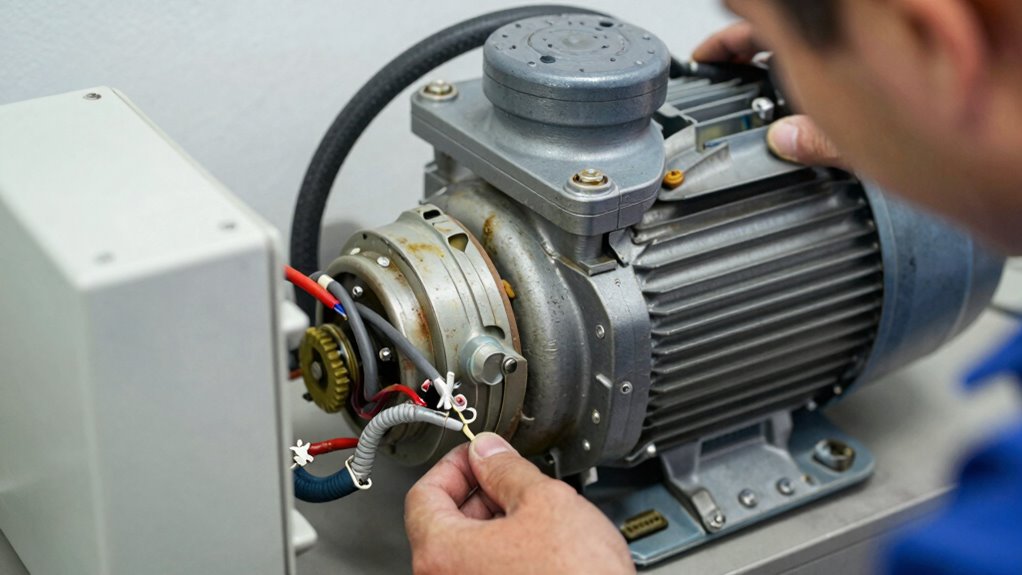
Electrical issues are common causes of well pump problems, and they can often be traced to your power supply or wiring. You might experience sudden shutdowns or inconsistent operation if the power source isn’t stable or connections are loose. Additionally, motor overload protection can trip if the pump draws too much current, signaling a potential electrical fault. Energy-efficient infrastructure in your electrical system can help minimize these issues and improve overall reliability.
Power Supply Issues
Have you checked the power supply when your submersible well pump isn’t working properly? Power supply issues are common electrical problems that can affect your pump’s operation and longevity. First, ensure the circuit breaker hasn’t tripped, as this can cut power unexpectedly. Second, verify that your power cord isn’t damaged, which could cause electrical safety hazards. Third, confirm the voltage matches the pump’s specifications; improper voltage can shorten your pump’s lifespan. Always prioritize electrical safety when inspecting connections or wiring. Addressing these issues promptly helps prevent further damage and keeps your pump running efficiently. Regularly monitoring your power source is essential to avoid costly repairs and ensure safe, reliable operation.
Faulty Wiring Connections
Faulty wiring connections are a common cause of submersible well pump failures. Over time, loose or damaged wires can disrupt power flow, causing the pump to stop working or operate intermittently. To identify these issues, perform a thorough wiring inspection, checking for corrosion, frayed insulation, or loose terminals. Always prioritize electrical safety—disconnect the power before inspecting or working on wiring. Tighten any loose connections and replace damaged wires to restore proper function. Proper wiring not only ensures reliable operation but also reduces the risk of electrical hazards like shorts or fires. Regular inspections can catch wiring problems early, saving you from costly repairs and potential safety risks. Remember, maintaining good wiring practices is essential for safe, efficient pump operation.
Motor Overload Protection
Motor overload protection is essential for preventing damage to your submersible well pump when it draws more current than usual. It safeguards the motor winding from overheating and failure. To guarantee proper protection:
- Regularly inspect cable insulation for cracks or deterioration, which can cause shorts and overloads.
- Verify that the overload relay is correctly set to match your pump’s motor specifications.
- Check for signs of overheating or burn marks near the motor winding, indicating excessive current flow.
Water Quality Changes and Sediment Buildup: What to Watch For
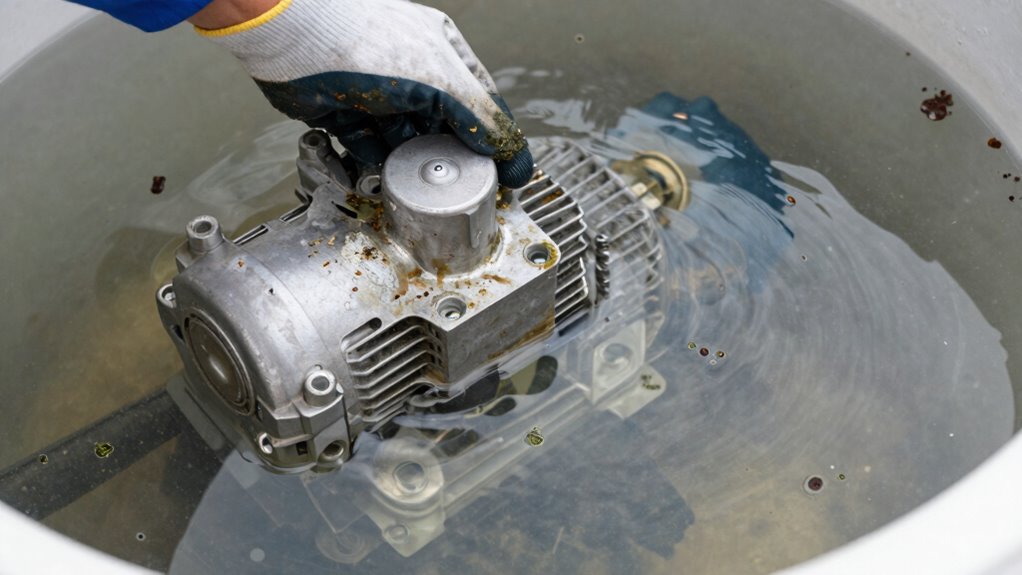
Changes in water quality and sediment buildup can substantially impact the performance of your well pump. When sediment accumulates around the intake or inside the pump, it can cause clogging and reduce water flow. Keep an eye on water clarity—if it turns cloudy or murky, sediment may be present in the water supply. Sediment accumulation can also lead to increased wear on pump components and even damage the motor over time. Regularly inspect and clean the well screen and pump area to prevent buildup. If you notice a decline in water quality or a drop in flow rate, sediment buildup might be the culprit. Addressing sediment issues early helps maintain pump efficiency and prolongs its lifespan.
Why Your Pump Short Cycles or Runs Continuously
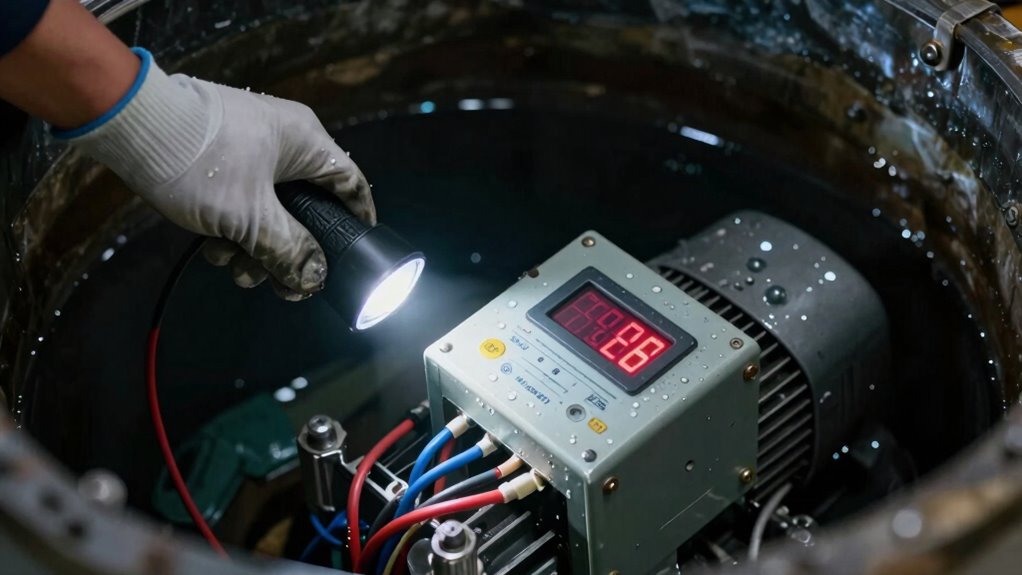
If your well pump keeps cycling on and off or runs continuously, it can indicate underlying issues that need attention. Short cycling often signals problems like insufficient pump lubrication or compromised well casing integrity. To diagnose, consider these points:
Frequent well pump cycling may signal lubrication issues or well casing damage needing attention.
- Pump Lubrication: Lack of proper lubrication causes overheating, prompting the pump to shut off prematurely or run constantly to compensate.
- Well Casing Integrity: A damaged or collapsed casing can cause fluctuating water levels, leading the pump to cycle rapidly.
- Water Demand and Pressure Settings: Excessive use or incorrect pressure controls can cause the pump to turn on and off frequently.
Addressing these issues ensures your pump operates smoothly and prolongs its lifespan.
What Causes Sudden Loss of Water Pressure Without Obvious Reason
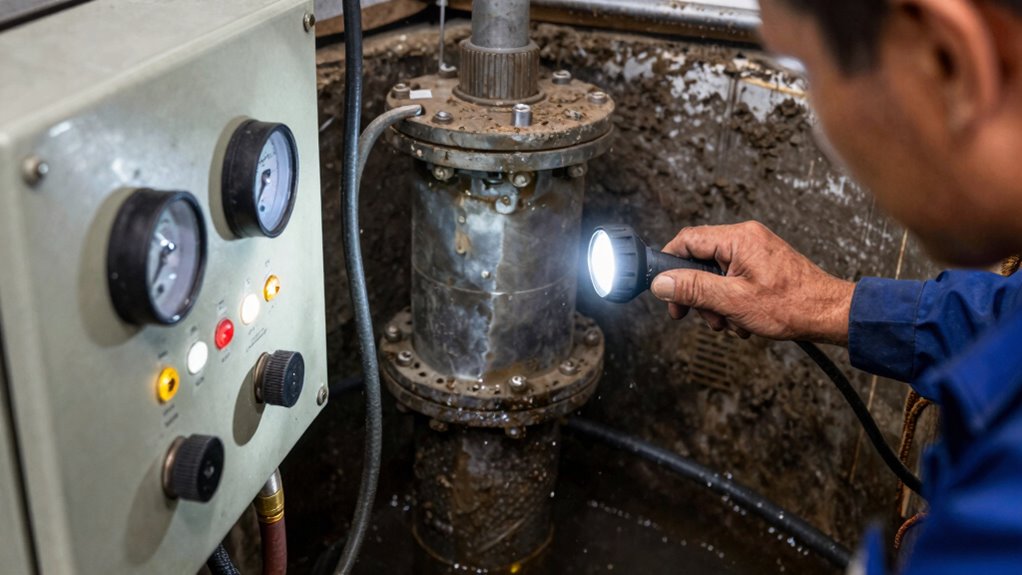
A sudden drop in water pressure can be alarming, especially when there’s no obvious reason for it. Improper pump installation might cause your pump to operate inefficiently, leading to pressure fluctuations. Additionally, issues with water treatment systems can reduce flow or clog pipes, causing pressure loss without visible leaks. Sometimes, sediment buildup or debris in the pump or intake screen obstructs water flow, resulting in pressure drops. Changes in water demand or pressure from the source can also be factors. Confirm your pump is correctly installed and that water treatment components are maintained. Regularly inspecting these elements helps identify hidden causes of pressure loss. If you’ve ruled out leaks, focus on verifying the pump setup and water treatment processes to restore consistent water pressure.
Leaks and Drips Around Your Well and Pump Area
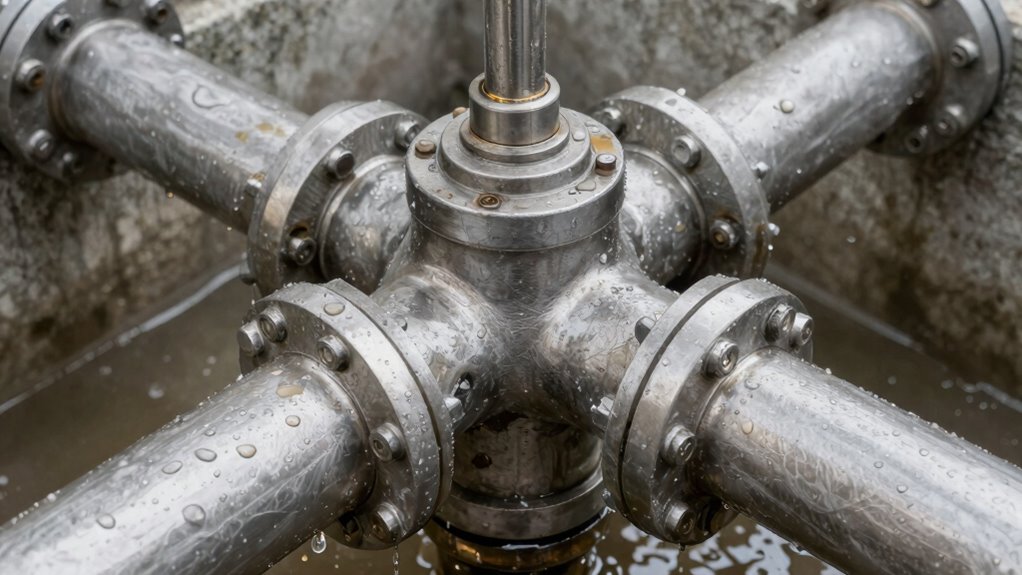
Leaking or dripping around your well and pump area is often a clear sign of issues that need immediate attention. These leaks can indicate problems like corrosion or compromised well casing, which threaten your system’s integrity. To address this:
Leaking around your well signals potential corrosion or well casing issues needing prompt inspection.
- Inspect for corrosion around fittings and connections—corrosion prevention measures can prolong equipment life.
- Check the well casing for cracks or damage, as a compromised casing can cause leaks.
- Tighten loose fittings or replace damaged seals to stop drips and prevent further deterioration.
Addressing leaks early helps prevent water damage and pump failure. Regular maintenance, including corrosion prevention, can keep your well system functioning smoothly and extend its lifespan. If leaks persist, consult a professional to assess the well casing’s condition.
How Recent Maintenance or Repairs Can Affect Pump Performance

Recent maintenance or repairs can substantially impact your pump’s performance, especially if procedures aren’t performed correctly or parts aren’t properly installed. Poor maintenance impact or repair effects can cause issues like reduced flow, abnormal noise, or short cycling. To minimize these problems, ensure all work follows manufacturer guidelines. Here’s a quick overview:
| Maintenance Impact | Repair Effects | Common Symptoms |
|---|---|---|
| Improper part replacement | Incorrect wiring | Sudden drops in pressure |
| Inadequate sealing | Misaligned components | Frequent cycling |
| Improper lubrication | Damaged motor windings | Overheating |
| Skipping system checks | Faulty electrical connections | Low flow rates |
| Delayed repairs | Wear on moving parts | Pump failure |
Stay vigilant; improper maintenance impact and repair effects can greatly compromise performance.
Frequently Asked Questions
How Do I Test My Pump’s Motor Windings for Electrical Issues?
To test your pump’s motor windings for electrical issues, start by disconnecting power and inspecting the wiring for damage or loose connections. Use a multimeter to check the resistance between the pump wiring and ground; a reading showing continuity indicates a short. Test the motor insulation by performing an insulation resistance test, ensuring the winding insulation isn’t compromised. These steps help identify issues affecting your pump’s performance.
What Are the Signs of a Failing Pressure Switch?
You might think your pressure switch is working perfectly until it suddenly won’t turn on or off, like a stubborn light switch. Warning signs of pressure switch failure include inconsistent water pressure, the pump cycling on and off unexpectedly, or no response when you turn on your faucet. These clues point to a failing pressure switch, so don’t ignore them—addressing warning signs early keeps your water system running smoothly.
How Can Sediment Buildup Be Prevented in My Well System?
To prevent sediment buildup in your well system, make sure you have effective sediment filtration installed at the well or pump inlet. Regular well casing maintenance helps remove accumulated debris and prevents clogging. You should also periodically inspect and clean filters, and consider installing a sediment trap. These steps keep your water clean, protect your pump, and extend the system’s lifespan, saving you costly repairs down the line.
Is It Normal for a Pump to Make Humming Noises?
It’s normal for your pump to make some humming noises, but loud or persistent sounds could signal issues. Pump noise often results from electrical problems or worn components. To guarantee safety and proper operation, conduct electrical testing to check for faulty wiring or motor issues. If the humming continues or worsens, it’s best to call a professional to diagnose and fix the problem before it causes further damage.
What Is the Typical Lifespan of a Submersible Well Pump?
A typical submersible well pump lasts about 8 to 15 years. To maximize its lifespan, you should regularly perform pump maintenance and monitor water quality, as these factors substantially impact performance. Keep an eye on any unusual noises or drops in water pressure, and address issues promptly. Proper maintenance and ensuring good water quality help prevent early failures, so your pump stays reliable for many years.
Conclusion
By paying close attention to these signs, you can catch pump issues before they turn into a full-blown crisis. Think of your well pump as the heart of your water system—when it’s healthy, everything flows smoothly; when it’s not, trouble quickly follows. Regular inspections and prompt repairs keep your water flowing like a well-oiled machine. Stay vigilant, and your pump will keep serving you reliably, like a trusted friend always ready to lend a hand.