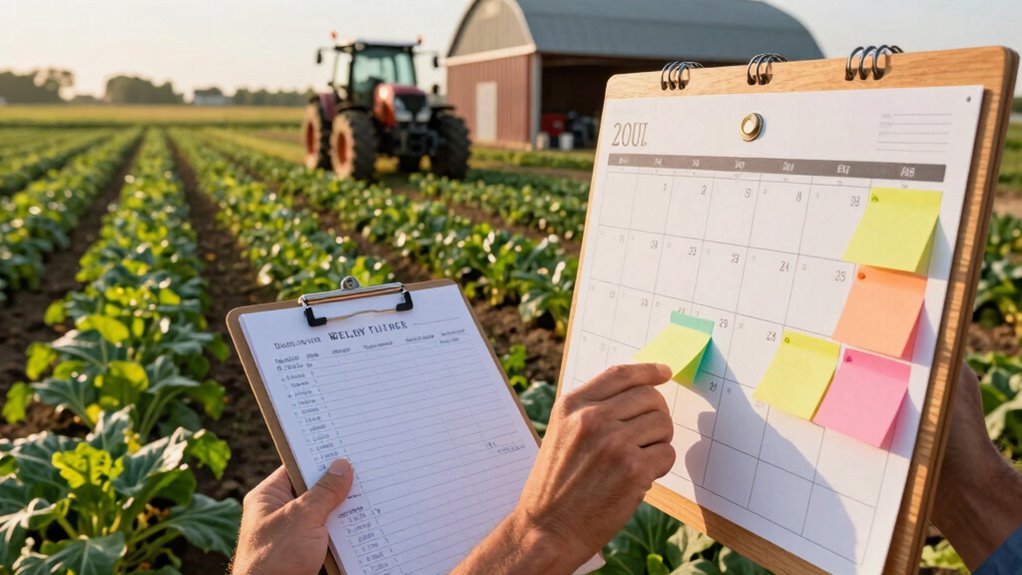

To break big farm goals into weekly wins, focus on small, manageable tasks like planning crop rotation and soil enrichment. Break down your larger vision into clear, achievable steps each week; this helps you measure progress and stay motivated. Regularly setting specific goals prevents overwhelm and guarantees continuous improvement. By consistently focusing on these little wins, you’ll make steady progress toward your long-term goals. Keep going, and you’ll discover even more effective strategies along the way.

Get garden gear delivered free with Prime
- Fast, free delivery on millions of items
- Prime Video, Amazon Music and more included
- Member-only deals all year
Key Takeaways
- Break large goals into smaller, specific weekly tasks to make progress manageable and measurable.
- Prioritize weekly wins that contribute directly to long-term farm objectives.
- Incorporate crop rotation and soil enrichment into weekly planning for sustainable growth.
- Use soil testing and biodiversity practices to guide targeted weekly interventions.
- Consistently track and celebrate small successes to maintain motivation and momentum.
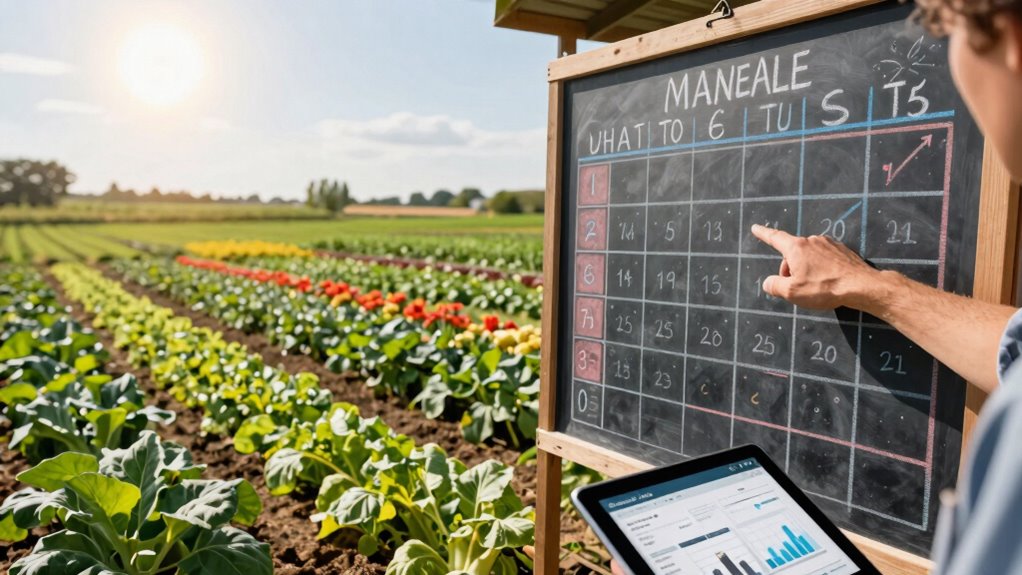
Achieving large farm goals can feel overwhelming when you only focus on the end result. It’s easy to get caught up in the big picture and forget that progress comes from consistent, smaller steps. To make steady headway, break your long-term goals into manageable weekly wins. This approach keeps you motivated and provides clarity on what needs to be done each week. Instead of trying to tackle everything at once, plan specific tasks—like implementing crop rotation or enriching your soil—that contribute directly to your larger vision. These smaller, focused efforts add up over time, helping you reach your ultimate farm objectives without feeling overwhelmed. Incorporating soil health practices into your routine is essential for sustainable farming and long-term success. One effective way to make weekly progress is to incorporate crop rotation into your schedule. This practice involves planting different crops in a specific sequence each season, which helps prevent soil exhaustion and pest buildup. By dedicating a week to planning your crop rotation schedule, you set a foundation for healthier soil and better yields down the line. It’s a simple step, but it has a profound impact on your farm’s productivity. When you see the immediate results of healthier crops and improved soil structure, it motivates you to continue refining your rotation plan. Plus, crop rotation naturally contributes to soil enrichment, which is vital for sustainable farming. You’ll notice that as you rotate crops strategically, your soil becomes more fertile and resilient, reducing the need for chemical inputs and increasing your farm’s overall health. Focusing on soil enrichment each week also keeps you aligned with your bigger goals. Regularly adding organic matter, such as compost or cover crops, boosts soil fertility and enhances its ability to retain moisture. By setting aside time each week to assess your soil’s condition and apply enrichment techniques, you ensure your farm’s foundation stays strong. Additionally, understanding the importance of biodiversity can help diversify your farm ecosystem, making it more resilient to pests and climate variations. Incorporating soil microbiome health practices can further enhance soil vitality by promoting beneficial microorganisms that naturally suppress pests and improve nutrient cycling. Developing a comprehensive soil management plan can guide your weekly efforts and optimize your farm’s productivity. Recognizing the role of soil testing can help you make informed decisions about amendments and rotations, leading to more precise and effective practices. These small, consistent efforts improve crop yields and reduce long-term costs, making your larger farm goals more attainable. Breaking down your farm goals into weekly tasks centered on crop rotation and soil enrichment makes progress feel tangible. You’ll find it easier to stay on track, see immediate benefits, and build momentum. Remember, big achievements are just the sum of many small, intentional actions. Stay focused on your weekly wins, and over time, those wins will add up to the farm success you envision.
As an affiliate, we earn on qualifying purchases.
Frequently Asked Questions
How Do I Set Realistic Weekly Farm Goals?
To set realistic weekly farm goals, start by evaluating your crop rotation schedule and livestock management needs. Break down larger objectives into manageable tasks, like planting specific crops or tending to animals. Consider your resources, skills, and weather conditions, then set achievable targets. Be flexible for surprises, and track your progress. This approach keeps you motivated, ensures steady progress, and helps you adapt your plans for ongoing farm success.
What Tools Can Help Track Weekly Progress Effectively?
You can use farm technology tools like digital farm management platforms, mobile apps, and GPS systems to track your weekly progress effectively. These tools help monitor crop management, record activities, and analyze data in real-time. By leveraging technology, you streamline planning, improve decision-making, and stay on top of your goals. They make tracking tangible, organizing tasks manageable, and progress transparent—giving you confidence and control over your farm’s weekly achievements.
How Often Should I Reassess My Farm Goals?
You should reassess your farm goals monthly or after each major season to stay aligned with crop rotation schedules and pest management strategies. Regular check-ins help you identify issues early and modify plans accordingly. For example, if pest pressures increase, you might need to adjust pest management tactics. Keeping a close eye on your progress ensures your goals remain realistic and achievable, ultimately leading to a healthier, more productive farm.
How Do I Stay Motivated Through Weekly Challenges?
Ever wonder how to stay motivated through weekly challenges? You can do this by embracing a challenge mindset and using motivational strategies like celebrating small wins and visualizing success. Keep your goals in mind and remind yourself why you started. Break tasks into manageable steps, stay positive, and track your progress. These habits boost motivation and help you push through tough weeks, making your farm journey more rewarding and sustainable.
What Common Mistakes Should I Avoid When Planning Weekly Wins?
When planning weekly wins, avoid neglecting crop rotation and pest management, as these are essential for sustainable farming. Don’t set overly ambitious goals that ignore soil health or pest control, which can lead to setbacks. Also, steer clear of ignoring past data or feedback. Instead, focus on realistic, manageable tasks that incorporate crop rotation strategies and pest control plans, ensuring steady progress without risking future crop health.
Conclusion
By breaking your big farm goals into manageable weekly wins, you stay motivated and make steady progress. Each small victory builds confidence and keeps you focused on the bigger picture. Remember, isn’t it more rewarding to celebrate small successes along the way? With this smart approach, you’ll turn your farming dreams into reality, one week at a time. So why wait? Start planning your wins today and watch your farm flourish!
Fall Picks
fall essentials
As an affiliate, we earn on qualifying purchases.