TL;DR

Get garden gear delivered free — and shop member deals
- Fast, free delivery on millions of items
- Access to Prime Big Deal Days deals on October 6–7
- Prime Video, Amazon Music and more included
Grow Organic’s October gardening checklist outlines seasonal tasks, from planting spring bulbs, garlic and cover crops to harvesting produce and protecting plants before cold or wet weather. Which tasks apply depends on local climate and frost timing; the source does not provide region-specific dates.
Grow Organic has published a 20-tip October gardening checklist for gardeners preparing beds and landscapes for winter while making fall plantings. The guide recommends tasks including planting spring-flowering bulbs, garlic and onions; gathering remaining crops before frost or rain; and protecting tender plants and irrigation systems. The suggestions are seasonal guidance, not a region-specific schedule.
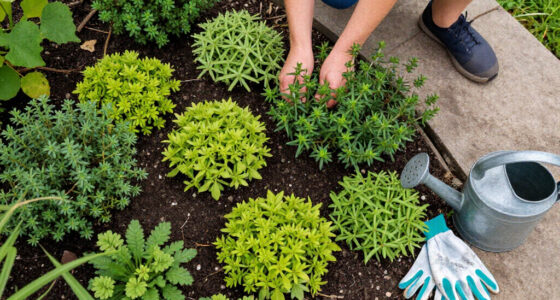
The planting list includes daffodils, tulips, crocus and other spring-flowering bulbs, which the guide says can go in pots or directly into the ground. It recommends adding compost and bulb fertilizer. October is also suggested for planting garlic, onions, shallots and leeks for a spring or summer harvest, along with native plants that can establish roots during fall and winter rains. Gardeners with empty plots may plant a winter cover crop; Grow Organic says these crops can add nitrogen and organic matter while helping compete with weeds and limit erosion.
For harvest, the guide advises collecting pumpkins, winter squash, dry corn and beans before rainy weather, then storing them in a cool, dry place. It suggests digging potatoes after their plants die back and picking green tomatoes before the first frost. Remaining summer herbs can be cut and dried, and gardeners can save seeds from favored flowers or vegetables. The article also recommends soil testing in fall rather than waiting until spring.
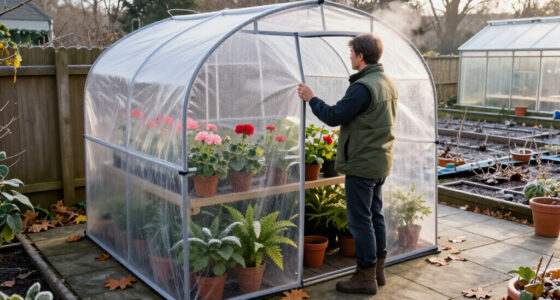
Winter preparation includes lifting tender summer bulbs, such as dahlias and cannas, drying them for a few days and storing them under peat moss or vermiculite. Grow Organic advises moving tender plants indoors before cold weather, draining irrigation lines and shutting off seasonal water. Other tasks include clearing fallen fruit and leaves, composting healthy spent vegetables, mulching perennial vegetables, and cleaning and sharpening tools before storage.
October Tasks Can Limit Winter Losses
The checklist brings together work that can affect what survives winter and what is ready to grow next season. Harvesting produce before wet weather, protecting plants ahead of cold and draining irrigation equipment are practical measures aimed at reducing spoilage or cold-weather damage. Fall planting also gives bulbs, alliums and some native plants time to establish before their next growing season.
The recommendations are not universal instructions. Frost dates, rainfall, soil conditions and plant hardiness vary by location, so readers need to match the checklist to their own garden and local conditions. The source offers examples rather than a single timetable for every climate.
As an affiliate, we earn on qualifying purchases.
A Seasonal Guide, Not a Local Forecast
Grow Organic frames October as a period when gardening continues even as temperatures cool and leaves change. Its checklist combines planting, harvesting and cleanup, with a focus on completing weather-sensitive work before the first frost or the start of sustained rain. It also points readers to a video checklist and other seasonal gardening resources.
Some suggestions are explicitly climate-dependent: the article says fall wildflower planting is suitable for mild-winter zones, while its advice to lift summer bulbs applies to bulbs that will not withstand very cold conditions. The guide does not name a geographic region, list frost dates or provide tailored instructions for particular soil types.
“There is still plenty to do in your garden and around the landscape.”
— Grow Organic
Local Frost Dates Shape the Checklist
The source does not specify when to do each task in different regions, and it gives no publication date or local weather outlook. It is also unclear which of the 20 tips will suit a particular reader without knowing their climate, garden conditions and plant varieties. The article presents general recommendations, not a guarantee that a given crop will establish, ripen or survive winter.
Match Tasks to Local Conditions
Gardeners can use the list to plan work around their local first-frost forecast and expected rainfall, prioritizing ripe harvests and protection for cold-sensitive plants. The next steps include choosing suitable fall plantings, storing harvested crops dry, and checking whether irrigation needs to be drained for the season. Grow Organic points readers to additional monthly checklists and seasonal guides, but does not announce a follow-up date or a new update to this October list.
Key Questions
What should gardeners plant in October?
Grow Organic suggests spring-flowering bulbs, garlic, onions, shallots and leeks. It also recommends native plants and winter cover crops, while noting that fall wildflower planting is for mild-winter zones.
What crops should be harvested before cold or rain?
The guide advises gathering remaining pumpkins, winter squash, dry corn and beans before rainy weather and storing them in a cool, dry place. It also suggests picking green tomatoes before the first frost and digging potatoes after the plants die back.
How should tender summer bulbs be stored?
For bulbs that cannot tolerate very cold conditions, Grow Organic recommends digging them up, letting them dry for a few days, then storing them covered with peat moss or vermiculite.
Does every October gardening tip apply everywhere?
No. The checklist says some advice depends on climate, such as planting wildflowers in mild-winter zones. Gardeners should account for local frost timing, rainfall and plant hardiness; the source does not give region-specific dates.
Source: rss
Fall yard work Picks
leaf blowers
As an affiliate, we earn on qualifying purchases.