TL;DR

Get garden gear delivered free with Prime
- Fast, free delivery on millions of items
- Prime Video, Amazon Music and more included
- Member-only deals all year
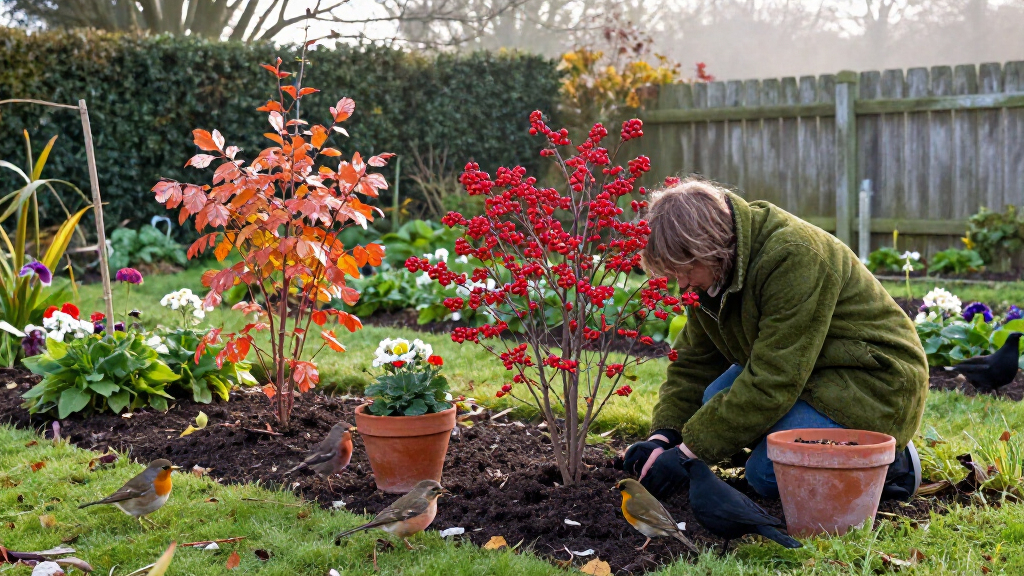
An Ideal Home gardening report recommends planting holly, rowan, hawthorn, crab apple and ivy in October to support garden birds through winter. The plants can provide berries, fruit, shelter or nesting cover, though their benefits depend on plant maturity and local conditions.
Holly, rowan, hawthorn, crab apple and ivy are five plants gardeners can add in October to help provide food and shelter for birds in winter, according to an Ideal Home report citing garden and wildlife experts. The recommendations name robins, finches, redwings and blackbirds among the birds gardeners may hope to support, although the report does not promise that planting will attract particular species to every garden.
The suggested plants offer different benefits rather than a single type of bird food. Holly has berries and evergreen foliage, while rowan produces berries that can feed birds including redwings and blackbirds. The report says holly may also provide cover for thrushes, robins and pigeons. Which birds use a garden will depend on factors such as what is already growing and the surrounding habitat.
Hawthorn is recommended particularly for hedges: its dense, thorny growth can give birds places to shelter and take cover. Crab apple retains small fruits into winter, which the report’s garden designers say can feed thrushes and winter migrants. Ivy offers dense cover, and mature plants produce berries later in the season than many other fruits, potentially extending food availability when other sources are scarce.
The advice is to plant in October, but the source does not provide a planting guide for every species, explain how long newly planted specimens take to produce berries, or specify garden sizes and soil conditions. Gardeners should select plants suited to their space and local growing conditions. The recommendations focus on adding longer-term food and cover, not on an immediate or guaranteed supply for birds this winter.
How the Plants Support Winter Birds
Cold weather can make natural food and sheltered places harder for birds to find. A garden with a mix of fruit-bearing plants and dense foliage can contribute food and cover across the season, rather than relying only on feeders. Berries and fruits may be used by different birds at different times, while evergreen or thorny growth offers places to rest and hide.
The recommendations also underline that bird-friendly planting is a longer-term garden choice. A newly planted shrub or tree may not provide the same quantity of fruit or shelter as an established plant. For readers hoping to help birds this winter, the report’s list is a starting point, not evidence that planting now alone will meet birds’ needs or guarantee sightings.
As an affiliate, we earn on qualifying purchases.
The Five October Planting Choices
The list was published by Ideal Home as seasonal garden advice, drawing on comments from Amber Tunney, a plant buyer at Cherry Lane Garden Centres, and the designers of the Lifted By Birds Garden, created by Greenfingers for James Hopkins Hospice in Gloucester. The report presents the plants as options for supporting birds as colder months approach.
Its recommendations distinguish between plants that provide berries or fruit and those valued for shelter. Rowan is associated with redwings and blackbirds; crab apple fruit is described as food for thrushes and winter migrants. Holly combines berries with evergreen foliage, while hawthorn and ivy are highlighted for dense cover. These are expert comments reproduced in a gardening report, not findings from a comparative study of how much food each plant provides.
Although the headline names finches as among the birds gardeners may want to help, the supplied report does not make a specific claim about which of the five plants will feed finches. Nor does it give measured estimates of berry production, bird numbers or survival effects. The practical case rests on the types of food and shelter the plants can provide.
“Holly is a great choice for a bird-friendly garden, offering both food and shelter.”
— Amber Tunney, plant buyer at Cherry Lane Garden Centres, as quoted by Ideal Home
What the Planting Advice Cannot Promise
The report does not establish that planting these species in October will feed birds immediately or improve survival rates. It offers no quantified evidence comparing the plants, and no details on how quickly a newly planted specimen will fruit. The phrase “reliable food” in the designers’ comment describes crab apple fruit persisting into winter; it is not a measurement of how much food a tree supplies.
It is also unclear from the source how well each plant will suit a particular garden or which birds will visit. Local climate, available space, plant maturity and existing habitat can affect results. The report names finches in its headline but gives no specific example of finches feeding on these five plants. Its advice should be read as general gardening guidance, not a guarantee of particular bird visits or outcomes.
Choosing Plants for Your Garden
Gardeners considering the recommendations can check the mature size and growing requirements of each plant before buying, particularly when adding trees or a hedge to a small space. The report suggests that October is still a planting opportunity, but it does not set out a detailed calendar or care instructions. Planting choices should reflect local conditions and the space available.
Over time, established plants may add seasonal berries, fruit and cover to a garden. The immediate next step is practical rather than a promised wildlife result: choose suitable plants, give them appropriate care and observe which birds use the garden. The source provides no follow-up data on whether planting these five species changes bird numbers or winter survival.
Key Questions
Which five plants does the report recommend?
It recommends holly, rowan, hawthorn, crab apple and ivy for their potential to provide birds with food, shelter or both.
Which plants are described as food sources?
The report points to holly and rowan berries, crab apple fruit and berries on mature ivy. It says rowan berries may feed redwings and blackbirds, and crab apple fruit may be used by thrushes and winter migrants.
Do these plants guarantee that finches or other birds will visit?
No. The source offers general planting advice and does not guarantee visits. It names finches among birds gardeners may wish to support but does not identify a specific food link between finches and these five plants.
Will plants put in the ground in October provide food this winter?
Not necessarily. The report does not say how quickly newly planted specimens will mature or produce fruit. Benefits depend partly on the plants’ age and growing conditions.
Source: rss
Halloween Picks
halloween
As an affiliate, we earn on qualifying purchases.