
TL;DR

Get garden gear delivered free — and shop member deals
- Fast, free delivery on millions of items
- Access to Prime Big Deal Days deals on October 6–7
- Prime Video, Amazon Music and more included
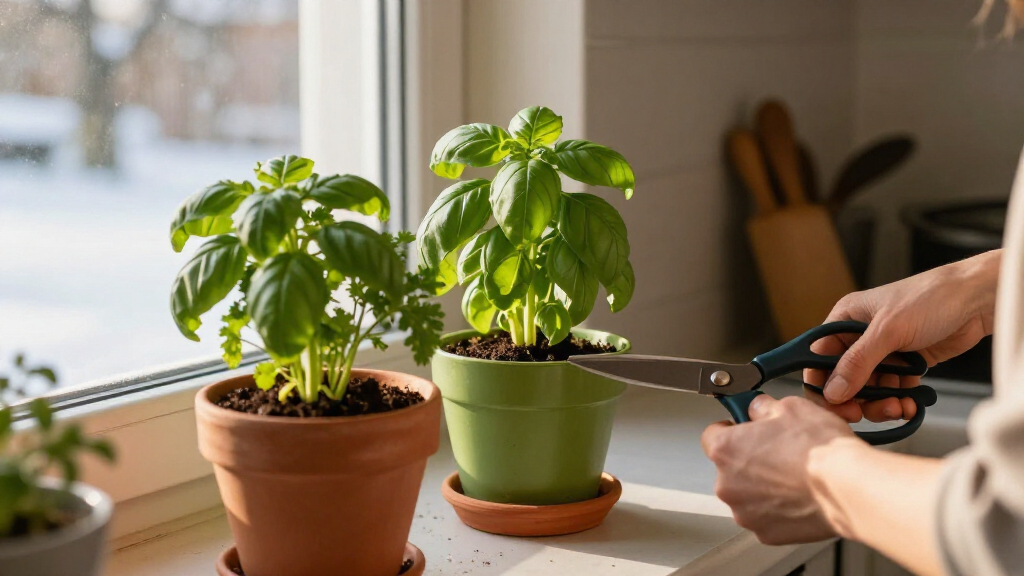
Country Living reports that basil, cherry tomatoes, chives, lettuce, mint, oregano and radishes can be grown indoors through winter, with results depending on light, container size and care. The article recommends grow lights during dark months and notes that indoor growing does not eliminate every pest or guarantee summer-sized harvests.
Country Living has published a guide to seven herbs and vegetables that can typically be grown indoors through winter: basil, cherry tomatoes, chives, lettuce, mint, oregano and radishes. The report says indoor containers can extend access to fresh produce during cold months, but results depend on suitable light, space and plant care.
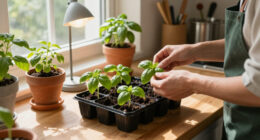
The article recommends starting with a container large enough for the plant’s mature size and a good-quality potting mix. It advises checking seed packets or plant labels for size estimates. For the darkest winter conditions, Country Living suggests using a grow light for at least 10 hours a day, explaining that insufficient light can leave plants spindly and eventually cause them to die back.
It also gives a temperature range of 65 to 70°F during the day, with slightly cooler nights, and says plants should be kept away from drafts near heating or air-conditioning vents. The report recommends feeding every two weeks with a water-soluble fertilizer, following the product’s package instructions. Watering needs vary: basil and chives should have moist soil, while oregano and sage should dry somewhat between waterings.
Among the suggested crops, the article says compact cherry tomato varieties are better suited to indoor growing than larger plants and may need supplemental light. Lettuce can be grown in several types, including Bibb, butterhead and romaine, though indoor yields are generally smaller. Radishes are described as quick-growing and suited to loose container soil. Mint is characterized as hardy, while basil, chives, oregano and sage can be started from seed, cuttings, transplants or garden plants, depending on the variety and method.
Fresh Harvests Beyond Summer
Indoor growing can give households a way to harvest small amounts of fresh herbs and vegetables in winter, when outdoor beds may be dormant. That may be useful for cooking, but the source does not promise a particular yield or say indoor production will replace supermarket purchases. Its own caveats are relevant: lettuce crops may be smaller, tomatoes need substantial light, and the plants still require regular attention.
Growing plants indoors also changes, rather than removes, the challenges of gardening. Country Living notes that pests such as aphids, stinkbugs and mites can affect indoor tomatoes, even though some outdoor pests are less of a concern. Readers should treat the list as a set of possibilities, not a guarantee that every plant will thrive in every room.
indoor grow lights for herbs and vegetables
As an affiliate, we earn on qualifying purchases.
As an affiliate, we earn on qualifying purchases.
Choosing Crops for Indoor Conditions
The report distinguishes indoor-friendly plants from crops that are difficult to grow in containers inside. It gives zucchini as an example of a vegetable that is not easily grown indoors, then focuses on plants that can manage in containers with appropriate conditions. Its suggestions span leafy greens, roots, herbs and fruiting plants, which have different requirements for space, light and watering.
Several growing methods are offered. Basil can be grown from seed, a transplant or a cutting rooted in water; mint can also be started from a cutting or transplant. For chives, the article suggests seed or a garden clump dug up in early winter, noting that clumps dug in fall can become leggy. Oregano and sage can be started from seed or cuttings, while small sage clumps or purchased transplants are other options.
Yields Depend on Home Conditions
The source presents the plants as crops that will typically do best indoors, not as guaranteed successes. It does not provide measured yields, a comparison between varieties, or trials showing how plants perform in different homes. The amount of natural light, local winter conditions, container size and grow-light setup can all affect results, but the report does not specify how much supplemental light each crop needs beyond its general recommendation for dark winter days.
It is also unclear whether the listed guidance applies equally across all cultivars. The article specifically favors compact forms for basil and small-bushing tomato varieties, but does not name particular cultivars. Pest control methods and fertilizer quantities are not detailed; the report directs readers to follow fertilizer package instructions and acknowledges that some pests can remain a problem indoors.
Check Light Before Planting
For readers following the guide, the next step is to select a crop and check the seed packet or plant label for mature size, then match it to a suitable container and available light. In rooms with short, dark winter days, Country Living recommends a grow light used for at least 10 hours daily. Plants should then be monitored for watering needs, temperature and signs of pests.
The source provides no follow-up data on harvests or growing trials. Success will depend on the particular variety and home setup, so growers should expect to adjust care rather than assume that one schedule suits every plant.
Key Questions
Which plants does the guide recommend for indoor winter growing?
Country Living lists basil, cherry tomatoes, chives, lettuce, mint, oregano and radishes.
Do indoor plants need grow lights in winter?
The report recommends considering a grow light during the darkest part of winter and using it for at least 10 hours per day. It says low light can cause plants to become spindly and eventually die back.
Will indoor lettuce produce a large harvest?
Not necessarily. The article says indoor lettuce can be grown in several types but that yields are generally smaller; a larger container may help.
Are indoor tomatoes free from pests?
No. Country Living says some outdoor pests may be less of a concern indoors, but aphids, stinkbugs and mites can still affect tomato plants.
How often should indoor plants be fertilized?
The guide recommends feeding every two weeks with a water-soluble fertilizer, following the instructions on its package.
Source: rss
Halloween Picks
halloween
As an affiliate, we earn on qualifying purchases.