
TL;DR

Get garden gear delivered free with Prime
- Fast, free delivery on millions of items
- Prime Video, Amazon Music and more included
- Member-only deals all year
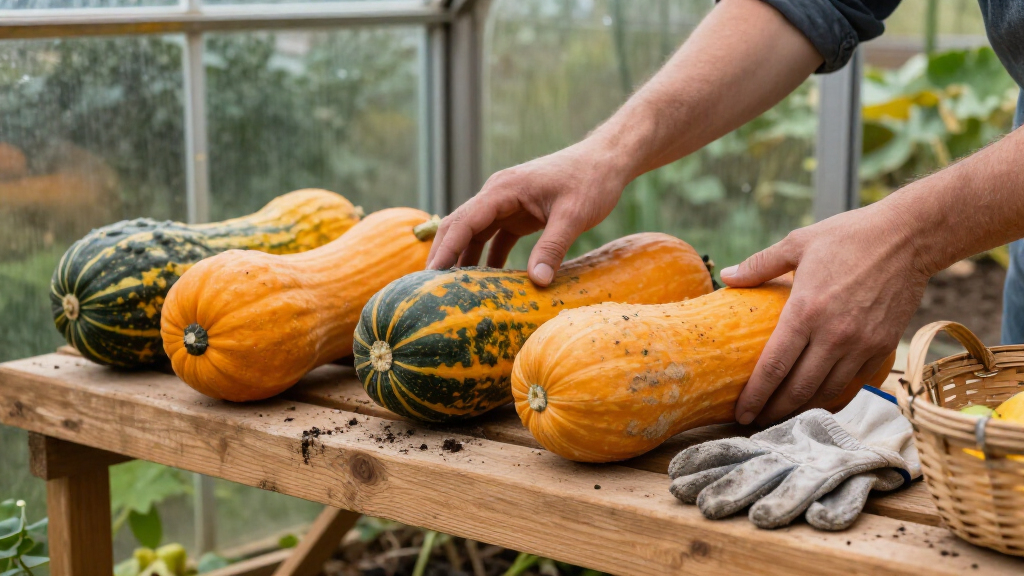
A Planet Natural report says the first 7–10 days after harvest can help suitable winter squash develop a drier, more protective rind. It recommends handling mature fruit gently, curing it in a warm, dry, well-ventilated space, and separating damaged squash from sound keepers. Storage results vary by variety, harvest condition and environment.
Planet Natural’s winter squash storage report says the first week to 10 days after harvest can affect whether suitable fruit keeps well through storage. It recommends harvesting mature squash without bruising or cutting the rind, then curing sound fruit in a warm, dry, airy place before moving it to cooler storage.
The report describes curing as a period that helps the rind harden and lets minor surface injuries dry and form a corky layer. It says common extension recommendations for many nearly mature or mature winter squash are about 7–10 days at roughly 70–85°F, with dry conditions and good airflow. Those conditions are guidance for suitable types, not a guarantee of a particular storage life.
At harvest, the report advises using clean pruners or a sharp knife rather than twisting fruit from the vine. It recommends leaving a 2–4-inch stem on pumpkins and most winter squash, while noting that some guidance for Hubbard types recommends removing the stem. Growers should follow advice specific to the cultivar or from their local extension service. Carry each squash from underneath; the stem is not a handle.
Before curing, sort fruit by condition. Firm, mature squash with intact rinds are the best candidates for long-term storage. Fruit with a superficial scrape or broken stem should be kept apart and used sooner, while squash with a soft or wet spot, deep crack, puncture, active mold or leak should not be stored with sound fruit. Brush off loose dirt with a dry cloth or soft brush; the report advises against soaking the harvest.
Protecting Squash From Early Decay
The practical stakes are both food loss and storage reliability. A broken stem, puncture or damp curing surface can leave a fruit more vulnerable to decay, and a deteriorating squash stored among sound ones may go unnoticed. Sorting early and checking the curing group every day or two can help growers identify fruit that should be eaten soon or discarded rather than placed in long-term storage.
The report also cautions against treating curing as a repair process. It cannot make immature fruit into a dependable keeper or fix a puncture. For home gardeners storing a harvest over winter, separating fruit by condition and allowing air to circulate are low-complexity steps that may reduce avoidable losses, though they do not guarantee months of storage.
Popular right now

De'Longhi 15-Bar Pump Espresso Machine with Milk Frother & Temperature Control

Vitamix Propel Series 510 Professional-Grade Blender, 3 Programs, Black

Bose QuietComfort Ultra Wireless Noise-Cancelling Headphones with Spatial Audio, Black
As an affiliate, we earn on qualifying purchases.
Storage Depends on Squash Type
“Winter squash” covers varieties with different storage characteristics. The report identifies butternut, Hubbard, many kabocha and buttercup types, and some pumpkins as often better long-term candidates when mature and handled well. It says acorn squash generally has a shorter storage window, and that some extension guidance cautions against artificial curing for acorn types. Delicata and many spaghetti squash are also described as better choices for earlier meals than for a long stay on a storage shelf.
These are planning clues, not guarantees for individual fruit. The source says cultivar, growing conditions, maturity at harvest, temperature, humidity and unnoticed damage can all affect storage life. For maturity, it recommends checking the variety’s color, a rind that resists a fingernail press and a stem that is beginning to dry and turn corky. When those signs are uncertain, the seed packet or variety description is the suggested reference.
No Guaranteed Storage Window
The report does not give a single storage-life estimate for all winter squash. It says the appropriate temperature range and expected keeping time vary by type, and outcomes also depend on maturity, handling and storage conditions. Its curing figures—roughly 70–85°F for 7–10 days—are presented as common guidance for many mature or nearly mature types, not as a universal rule.
The source material does not identify the report’s publication date or cite a particular extension publication for each variety-specific recommendation. It also does not establish that every small scrape will lead to decay. For borderline fruit or cultivar-specific handling, it advises consulting the variety description or local extension guidance and treating questionable squash as short-term food rather than relying on it as a keeper.
Move Cured Fruit to Steady Storage
After curing, the report advises moving only sound fruit to a cool, dry, well-ventilated location. General storage recommendations commonly fall around 50–55°F with moderate humidity, though the best range varies by type. Keep squash off concrete when possible, avoid deep piles and leave room for air to circulate.
During curing and storage, inspect fruit regularly and remove any that develop a soft area, wet-looking patch, leak or mold. The next practical step for gardeners is to track how different varieties perform under their own conditions and use the most vulnerable fruit first. The report offers handling guidance, but it does not predict how long an individual harvest will keep.
Key Questions
How long should winter squash cure?
The report says common guidance for many mature or nearly mature types is about 7–10 days in warm, dry conditions with good airflow. Requirements vary by variety, and the source cautions that artificial curing may not suit acorn squash.
What temperature is recommended during curing?
For many suitable types, the report gives a range of roughly 70–85°F. It advises avoiding damp, stagnant conditions and says a location that gets too cool or develops condensation may not be suitable.
Which squash should not go into long-term storage?
Do not store fruit with a soft or wet spot, deep crack, puncture, active mold or leak alongside sound squash. Keep mildly scuffed or stem-damaged fruit separate and use it sooner. Acorn, delicata and many spaghetti squash are also described as shorter-term choices.
Where should cured squash be stored?
The report recommends a cool, dry and well-ventilated space. General guidance commonly falls around 50–55°F with moderate humidity, but the suitable range and storage life depend on the type.
Source: rss