TL;DR
A Homes and Gardens report advises gardeners not to bring seven cold-adapted plants indoors or seal them under plastic for winter. Tulips, daffodils, peonies, hostas and garlic are among those listed, but the right care depends on plant type, drainage, container exposure and local hardiness zone.
A Homes and Gardens report says gardeners should not bring seven cold-adapted plants indoors or cover them with tight, moisture-trapping protection for winter, because many need cold exposure or seasonal dormancy to grow well the following year. The advice includes tulips, daffodils, peonies, hostas and garlic, while stressing that care depends on the plant, local climate, soil drainage and whether it is growing in a pot.
The report’s central point is that winter protection is not the same as moving every plant somewhere warm. Some bulbs require a sustained cool period to flower, while hardy perennials naturally die back and rest. Keeping those plants warm can interrupt their seasonal cycle; wet, poorly ventilated coverings or soil can also contribute to rot. The report cautions that these are general guidelines, not a rule that every plant should be left entirely exposed.
For tulips and daffodils, the report recommends leaving bulbs outdoors in suitable, well-drained conditions rather than bringing them into a warm room or garage. It says many tulips grow in USDA Zones 3–7, where October is commonly a planting month, while gardeners in Zones 8–10 may need varieties adapted to mild winters and should follow the bulb supplier’s chilling advice. Daffodil foliage should be allowed to yellow naturally after flowering, helping the bulb replenish itself. In warmer climates, some narcissus types need less chilling, or bulbs may require pre-chilling if the grower recommends it.
Herbaceous peonies and hostas also enter dormancy outdoors. The report says peonies in Zones 3–8 benefit from winter cold; after frost, herbaceous types can be cut back and diseased material cleared. It warns against piling dense, wet mulch over the crown, although newly planted peonies or plants facing severe freeze-thaw cycles may benefit from a light, loose layer after the ground cools. Hostas generally die back after frost and return from their crowns in spring. Their exposed roots in containers are a separate concern: pots freeze faster than garden soil, so a sheltered position or unheated garage may help in colder areas while allowing dormancy.
The other plants in the article’s seven-plant list are garlic and two additional categories that are not included in the supplied source excerpt. The material provided gives details for fall-planted garlic: cloves stay outside, and hardneck types in particular benefit from winter cold as bulbs develop. The report suggests planting in fall according to local conditions and applying a light straw mulch once soil cools. It cautions against a thick, airless covering and advises attention to drainage. Because the source excerpt ends during this section, the remaining two plants cannot be identified from the material available here.
Winter Care Depends on Plant Type
The guidance matters because a familiar fall routine—bringing plants indoors, wrapping them in plastic or adding a heavy cover—can be counterproductive for plants that rely on cold exposure or dormancy. Warm conditions may prompt premature growth in bulbs, while trapped moisture can increase rot risk. For gardeners, the practical distinction is between a plant that needs winter rest and a root system that is genuinely exposed to damaging conditions.
That distinction is especially relevant for container plants. A hosta or bulb in garden soil may tolerate winter conditions that a pot cannot, because containers cool and freeze more quickly. The report’s advice is not to ignore hard freezes: it is to protect vulnerable pots selectively, preserve drainage and avoid turning dormant plants into warm, actively growing ones. The source does not provide experimental data or quantify how often overprotection causes damage, so its claims should be understood as horticultural guidance rather than a measured outcome.
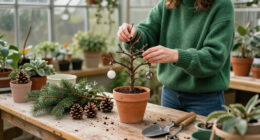
winter plant protection for tulips and daffodils
As an affiliate, we earn on qualifying purchases.
As an affiliate, we earn on qualifying purchases.
Cold, Dormancy and Fall Planting
The article frames the advice as a seasonal response to gardeners’ tendency to cover or relocate plants as temperatures fall. Its recommendations vary by USDA hardiness zone and growing conditions. A bulb that receives enough winter chill in a cold region may need a different variety or grower-directed chilling in a warmer one; similarly, a plant in open ground faces different risks from one in an exposed container.
The report also distinguishes between plant groups and plant parts. Herbaceous peonies lose their above-ground growth and rest underground; hostas die back to their crowns; garlic remains planted through winter. For bulbs, the article emphasizes both cold and well-drained soil. It does not recommend treating all plants alike, nor does it say no plant ever needs winter protection. Newly planted roots, containers and severe freeze-thaw conditions may call for limited, appropriate measures.
“They generally need outdoor cold or winter dormancy, and overprotection can disrupt their cycle, encourage rot, or weaken next year’s growth.”
— Homes and Gardens report
Details Missing From the Plant List
The supplied source material stops partway through its garlic section, although the headline promises seven plants. It names only five plants or plant groups in the available text: tulips, daffodils, peonies, hostas and garlic. The identities and advice for the other two cannot be confirmed from the excerpt, so they are not supplied here.
The source also does not give a publication date, identify a specific growing season for every recommendation, or quantify how much cold each variety needs. Requirements can differ by cultivar and local conditions. Gardeners should check bulb supplier instructions and regional guidance, particularly in warm climates or where pots face repeated hard freezes. No claim in the supplied material establishes that every plant in the named groups will thrive outdoors in every zone.
Check Local Conditions Before Winter
Gardeners applying the report’s advice should first identify the plant and confirm its needs for their hardiness zone. For bulbs, follow the variety’s planting depth and chilling instructions; for dormant perennials, remove diseased material and avoid dense, soggy coverings. Check that pots have open drainage holes, and move exposed containers to a sheltered or unheated location when repeated hard freezes threaten the root ball.
The full seven-plant list and any additional recommendations remain unverified in the supplied excerpt. Until the complete report is available, the confirmed takeaway is narrower: several named plants benefit from winter cold or dormancy, but protection should be targeted to vulnerable roots and containers rather than applied automatically to every plant.
Key Questions
Which plants are identified in the source excerpt?
It names tulips, daffodils, peonies, hostas and garlic. The excerpt ends before the final two plants in the headline’s list are identified.
Should tulip bulbs be brought indoors for winter?
The report says tulips generally need sustained cold to flower well and should not be moved into a warm room for winter. Planting conditions and chilling needs vary by variety and climate, so follow supplier guidance.
Do hostas in pots need any winter protection?
Hostas naturally die back and go dormant, but exposed pots can freeze faster than garden soil. The report suggests placing a pot in a sheltered spot or an unheated garage in colder areas, rather than keeping the plant warm and actively growing.
Can all peonies be cut back in fall?
The report’s cutting-back advice applies to herbaceous peonies after frost has finished the foliage. It says tree peonies have different pruning needs, so identify the type before cutting.
Does the advice mean these plants never need protection?
No. The report says decisions depend on plant type, drainage and hardiness zone. Newly planted roots, container plants and severe freeze-thaw conditions may need limited protection, while dense, wet coverings or warm indoor storage can be unsuitable for dormant plants.
Source: rss