TL;DR
A Gardening Know How report recommends native buttonbush as an alternative to butterfly bush for gardeners with moist soil. Buttonbush’s summer flowers provide nectar and pollen for pollinators, and its fruits feed birds; the shrub is not suited to dry sites.
Buttonbush is a native flowering shrub that may suit gardeners seeking an alternative to butterfly bush, according to a Gardening Know How report. Its summer blooms support pollinators and its later fruits provide food for birds, but the plant is best suited to moist or wet soil, not dry garden beds.

Get garden gear delivered free with Prime
- Fast, free delivery on millions of items
- Prime Video, Amazon Music and more included
- Member-only deals all year
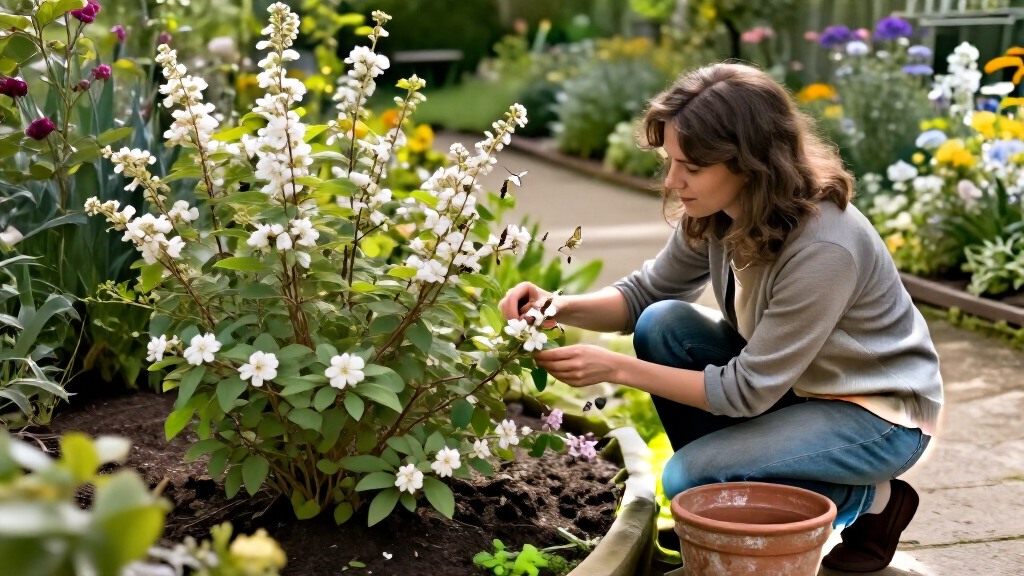
The report describes buttonbush, or Cephalanthus occidentalis, as native to much of the United States. Instead of butterfly bush’s elongated flower clusters, it produces round, white flower heads made up of many small tubular flowers. The blooms typically appear in summer and have a sweet, honey-like fragrance, the report says.
Buttonbush flowers offer nectar and pollen to bees, butterflies, other pollinators and hummingbirds. After flowering, the shrub forms rounded fruit clusters that can feed birds, including songbirds and some waterfowl, according to the report. Those benefits make it a candidate for gardens designed to support wildlife, though the source does not quantify how much wildlife use it attracts.
The main practical limitation is where it grows well. Buttonbush naturally occurs in wet habitats and thrives in moist to wet soil, including poorly drained areas. It can grow in full sun or partial shade, but the report says flowering is generally better with adequate sunlight. Gardeners with dry, fast-draining soil may need a different shrub.
A Shrub for Wet, Wildlife-Friendly Gardens
Choosing a plant that matches a site’s conditions can help gardeners avoid installing a shrub likely to struggle. Buttonbush may make use of damp areas and rain gardens where many ornamental shrubs do not thrive, while providing flowers and fruit that benefit different wildlife groups over the growing season.
The comparison also speaks to concerns about butterfly bush. Gardening Know How says the species can become invasive in parts of the United States. That does not mean every planting behaves the same way everywhere, but it gives gardeners a reason to consider regionally appropriate alternatives. Buttonbush’s suitability depends on having the right moisture conditions and enough room for a shrub to develop.
Popular right now

Samsung 43-Inch M70H Series 4K Mini LED Smart TV (2026)

Hisense 75-Inch U7 Mini-LED ULED 4K UHD Smart Google TV (75U7SG)

Shark Pet Cordless Stick Vacuum, Up to 40-Minute Runtime, Lightweight, IX141
As an affiliate, we earn on qualifying purchases.
Why Gardeners Seek Butterfly Bush Alternatives
Butterfly bush, Buddleja davidii, is popular for its colorful flower clusters and nectar-rich blooms. Its reputation is complicated by its ability to spread in some parts of the country, the report says. It also mentions sterile cultivars that produce little to no viable seed as one possible way to reduce unwanted spread, while presenting buttonbush as another option for wildlife-minded gardeners.
The two shrubs are not interchangeable in every garden. The report’s case for buttonbush rests on its native status and wet-soil preference, rather than a claim that it suits all sites or attracts more wildlife in every circumstance. Gardeners should check local guidance and growing conditions before choosing either plant.
“Buttonbush is native to much of the United States.”
— Gardening Know How report
Local Suitability Still Depends on Site
The supplied report does not give a publication date, provide regional planting guidance, or identify specific states where butterfly bush is invasive. It also does not offer comparative measurements showing whether buttonbush supports more wildlife than butterfly bush. Its phrase that wildlife “loves it even more” is an editorial characterization, not a quantified finding.
Buttonbush’s mature size, local availability and performance can vary with growing conditions, and the source gives no specific dimensions or care schedule. Gardeners should consult local extension services or native-plant resources to confirm whether it is appropriate for their area and site.
Check Local Guidance Before Planting
For gardeners considering buttonbush, the next step is to assess whether the intended location stays moist or wet and receives enough sunlight for flowering. A local native-plant society, extension service or nursery can help confirm regional suitability and recommend a cultivar or planting position.
Those who still prefer butterfly bush can check local rules and guidance on its spread, and research sterile cultivars rather than assuming every variety has the same seed production. The report offers no follow-up study or official planting recommendation; the decision remains a matter of matching the shrub to local conditions and wildlife goals.
Key Questions
What is buttonbush?
Buttonbush (Cephalanthus occidentalis) is a flowering shrub native to much of the United States. It produces round white flower heads in summer and fruit clusters afterward.
Does buttonbush attract pollinators and birds?
According to the Gardening Know How report, its flowers provide nectar and pollen for bees, butterflies and other pollinators, including hummingbirds. Its fruits can feed songbirds and some waterfowl.
Where does buttonbush grow best?
Buttonbush prefers moist to wet soil and can tolerate poorly drained locations. It grows in full sun to partial shade, with better flowering generally associated with adequate sunlight.
Is butterfly bush invasive everywhere?
The report says butterfly bush can become invasive in parts of the United States; it does not say that it is invasive everywhere. Check local guidance for conditions in your area.
Can buttonbush replace butterfly bush in any garden?
No. Buttonbush is most appropriate for sites with persistently moist soil, while the report cautions against planting it in dry gardens or fast-draining locations. Check local advice and match the plant to the site.
Source: rss