TL;DR

Get garden gear delivered free with Prime
- Fast, free delivery on millions of items
- Prime Video, Amazon Music and more included
- Member-only deals all year
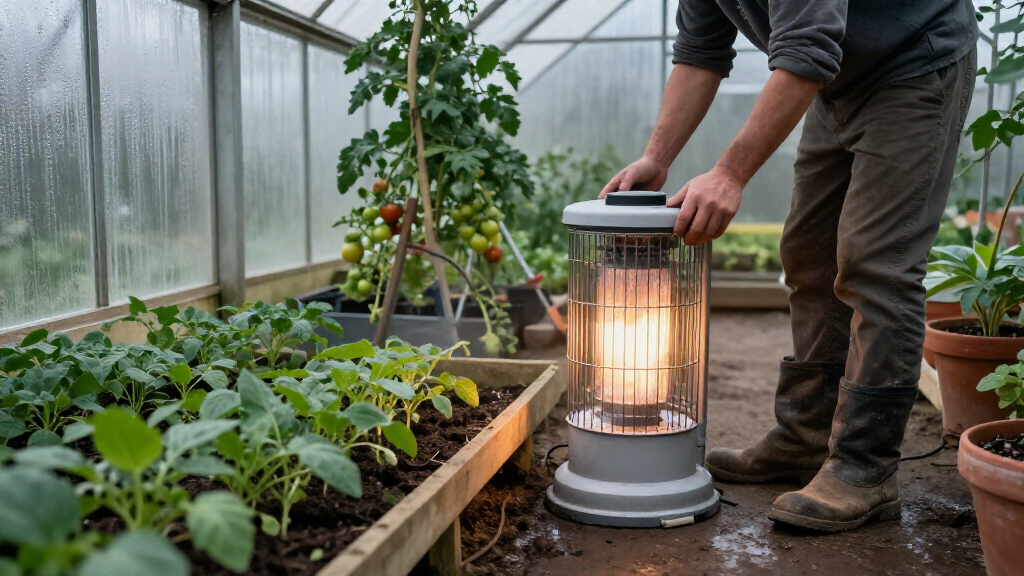
Greenhouse space heaters help protect plants from cold, but the right choice depends on heat loss, crop temperature needs, fuel, and safe installation. Seal drafts, set a thermostat to the lowest safe temperature for your plants, and monitor conditions at plant height. Combustion heaters need proper ventilation and installation; electric models need a suitable, protected power supply.
A heater can hum through a cold night and still leave frost on the leaves at the far end of your greenhouse. That’s because warmth depends on more than the heater’s size: drafts, cold corners, and where you measure the temperature all matter.
This guide explains what greenhouse space heaters do, how to compare fuel types, and how to estimate the heat your space needs. You’ll also learn how to protect plants from cold while keeping energy use and safety in view.
Think of a greenhouse as a leaky bucket: adding heat helps, but sealing the holes lets you get more from every unit of energy. A thermostat and a thermometer placed at plant height can turn guesswork into a useful routine.
Choose a safe minimum temperature based on your plants and their growth stage.
Estimate heater output using greenhouse heat loss, including covering, leaks, height, and local winter lows.
Use a thermostat and check temperatures at plant height to catch swings and cold pockets.
Follow the manufacturer’s installation and clearance instructions; combustion heaters need appropriate ventilation.
Reduce drafts and heat only the area you need to control energy use.
What greenhouse space heaters can do for your plants
Greenhouse space heaters add heat when the air would otherwise drop below a safe temperature for your plants. They can help protect plants from cold, support seedlings, extend the growing season, and lower frost risk. They cannot make a poorly sealed greenhouse hold warmth by themselves.
For example, a gardener with young tomato starts in February may use a thermostat to hold a gentle overnight minimum. Mature, cold-tolerant greens may need less protection. Your target should reflect the plants and their growth stage, not the temperature you prefer indoors.
Warm air also doesn’t always reach every leaf evenly. A heater by the door might keep its own corner cozy while a bench beneath the glazing stays cold. Check temperatures where your plants sit, and use gentle air circulation to reduce cold pockets.
Set the temperature for the crop. Keeping a greenhouse warmer than your plants need can spend energy without improving growth.
Heat is one part of a larger setup. Insulation or a thermal screen can slow heat loss, while ventilation helps manage humidity and plant health. A heater, thermostat, and temperature monitor work together like a thermostat-controlled tap: one supplies warmth, another regulates it, and the sensor tells you what is happening.
Popular right now

De'Longhi 15-Bar Pump Espresso Machine with Milk Frother & Temperature Control

TCL T7 Series 85-Inch 4K 144Hz QLED Smart Google TV

Shark Rocket Ultra-Light Corded Stick Vacuum, HV301, Gray/Orange
As an affiliate, we earn on qualifying purchases.
Compare heater types before you buy
Electric fan heaters warm the air quickly, radiant heaters warm nearby plants and surfaces, and fuel-burning heaters produce heat by combustion. Heat pumps move heat and can be efficient in suitable conditions. The right match depends on your power supply, greenhouse, winter weather, and willingness to manage fuel and ventilation.
Picture a small greenhouse where electricity is available and easy control matters: an electric fan heater with a thermostat may suit it. In a larger space, a grower might compare a heat pump’s higher purchase cost with lower running costs, checking local energy prices first. No heater type wins in every setting.
| Heater type | What it offers | What to check |
|---|---|---|
| Electric fan | Fast air heating and simple thermostat control | Suitable installed supply, wet conditions, and running cost |
| Electric radiant | Direct warmth for nearby plants and surfaces | Placement and how evenly the space is covered |
| Propane or natural gas | Substantial heat without an electric heating element | Ventilation, installation, moisture, and combustion gases |
| Kerosene or paraffin | Heat where electricity is limited | Fuel handling, ventilation, and close monitoring |
| Wood or biomass | Heat for larger spaces | Flue, safe clearances, and frequent attention |
| Heat pump | Moves heat and can be efficient in suitable conditions | Upfront cost and backup heat in severe cold |
Unvented combustion heaters release moisture and combustion by-products into the greenhouse. That moisture can condense on leaves and encourage disease; incomplete combustion can produce carbon monoxide. Follow the manufacturer’s ventilation and flue instructions, and use equipment intended for that setting.
Electric heaters avoid combustion exhaust indoors, but they still need an appropriate power supply. Water, damaged cords, and overloaded circuits can create hazards. Have installations and electrical work handled to applicable local rules.
Size your heater by heat loss, not floor area
Choose heater capacity by estimating how much heat your greenhouse loses, not by matching watts to floor area alone. The estimate needs greenhouse dimensions and height, covering material, air leaks, insulation, target indoor temperature, and the lowest expected outdoor temperature. Heater output may be listed in watts or BTU per hour.
A small greenhouse with thin glazing and a drafty door can need more heat than a larger, well-insulated structure. For example, a grower in a windy area who wants to keep tender seedlings warm may face more heat loss than someone raising cool-season greens in a sheltered greenhouse. The square footage can look similar while the heating needs differ.
Use a sizing method or calculator that accounts for heat loss, then check that the chosen unit’s specifications suit your conditions. Make a realistic plan for the coldest nights you expect, not only the mild winter evenings. If your target temperature is far above the outdoor low, the greenhouse must replace more lost heat.
Before buying a larger heater, find and reduce leaks. A door that whistles in the wind or a gap around a vent lets warmth escape. Sealing appropriate gaps and using a thermal screen can help a correctly sized heater maintain a suitable temperature with fewer long heating cycles.
There’s a tradeoff: reducing heat loss can improve comfort without changing the heater, but adding insulation or screens can affect light and airflow. Choose changes suitable for your structure and crops, and keep ventilation needs in the plan.
Set up safer, steadier overnight heating
To keep overnight conditions steadier, choose a plant-appropriate minimum, install a thermostat, measure temperature at plant height, and reduce drafts before the first freeze. These steps help you catch cold spots and avoid heating the entire greenhouse to room temperature.
- Check your plants’ needs. Set a minimum based on crop and growth stage; young seedlings may need different protection from mature plants.
- Seal heat leaks. Close doors when practical and address drafts or suitable insulation gaps.
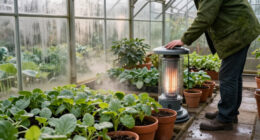
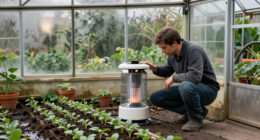
- Position the heater safely. Follow its mounting and clearance instructions; keep it away from water, foliage, and combustible materials.
- Use a thermostat. Let it control the set point instead of running the heater continuously.
- Measure at plant height. A thermometer or temperature logger can reveal overnight swings and chilly corners.
- Plan for failure. Consider an alert, remote monitor, or safe backup if a freeze could cause major losses.
For instance, if a thermometer near the heater reads comfortably above freezing but one at the far end dips lower, the reading near the heater is giving you a false sense of security. Gentle circulation can help even out temperature without replacing the heater’s job of adding heat.
Only leave a heater on overnight if its design and installation allow that use. Follow its manual and local rules, keep cords and connections protected from water, and avoid unsuitable extension cords. If you use fuel-burning equipment, follow its ventilation and flue requirements; never use it in a way its manufacturer prohibits.
On a very cold night, alarms and backup plans matter because a heater can fail or a power supply can go out. A remote temperature alert may give you time to respond, but it does not replace safe backup equipment or checking the greenhouse.
Cut heating costs without chilling your crops
You can often lower heating costs by reducing heat loss, heating only the space you need, and setting the thermostat to the lowest safe temperature for your crops. A warmer greenhouse is not automatically a better greenhouse; the useful target depends on the plants growing there.
Suppose you’re starting seedlings on one bench while the rest of the greenhouse sits empty. A suitable screen or partition may let you focus heat on that smaller area, provided your setup allows safe airflow and the plants still get what they need. That can be more practical than warming every unused corner.
- Fix drafts and close doors when you can.
- Use a thermostat to avoid continuous heating.
- Check local energy prices before choosing between electricity and fuel.
- Use thermal screens or insulation suited to your greenhouse and crops.
- Review temperature logs to see whether your set point is higher than needed.
Heat pumps and renewable electricity attract interest as growers seek more efficient options, but their fit depends on climate, installation cost, and the power available. Solar panels can contribute electricity, yet greenhouse space heating often needs substantial energy at night and in winter. You may still need storage, grid power, or another backup source.
Product features, efficiency claims, incentives, and energy prices change. Before you buy, compare current specifications and local requirements. A low purchase price can look appealing, but the cost to run a heater through a long winter may matter more over time.
Frequently Asked Questions
What size heater do I need for my greenhouse?
Estimate heat loss using the greenhouse dimensions and height, covering, air leaks, insulation, target temperature, and local winter low. Floor area alone cannot predict the heater output you need. Use a sizing method or calculator that accounts for these details.
How warm should I keep a greenhouse at night?
Set the minimum according to your plants and their growth stage. Many greenhouses do not need room temperature overnight, and a lower safe setting can reduce energy use. A thermometer at plant height helps you check the conditions your crops actually experience.
Are electric or propane heaters better?
Electric heaters avoid combustion gases indoors, but rely on a suitable power supply and may cost more to run where electricity is expensive. Propane can provide substantial heat but needs safe fuel handling, suitable ventilation, and correct installation. Compare the real operating costs and requirements for your greenhouse.
Can I leave a greenhouse heater on overnight?
Only if the heater is designed and installed for overnight use, and you follow its manual and local rules. A thermostat, safe clearances, protected electrical connections, and a plan for failure all matter. Fuel-burning equipment must also meet its ventilation and flue requirements.
Do greenhouse heaters need ventilation?
Combustion heaters generally need ventilation and, depending on their design, a flue. They can add water vapor and harmful gases if operated improperly. Electric heaters do not emit combustion gases, though greenhouses still need suitable ventilation to manage humidity and support plant health.
Will a heater prevent frost damage?
A correctly sized, positioned, and working heater can reduce frost risk, but it cannot guarantee every plant stays safe. Cold spots, extreme weather, and equipment or power failures can still put crops at risk. Check temperatures away from the heater and plan a safe backup where a freeze could cause major losses.
How can I lower greenhouse heating costs?
Seal drafts, use suitable insulation or thermal screens, heat only the area you need, and use a thermostat. Set the temperature according to your crop rather than aiming for room warmth. Check current energy prices and equipment specifications before choosing a fuel or heater type.
Conclusion
Choose a heater around the plants you grow and the heat your greenhouse loses. Seal drafts, set a thermostat to the lowest safe crop temperature, and check readings where leaves actually sit.
On the first frosty evening, a steady thermometer and a quiet heater can be a reassuring sight: warmth where your plants need it, without heating the whole winter night by guesswork.