TL;DR

Get garden gear delivered free with Prime
- Fast, free delivery on millions of items
- Prime Video, Amazon Music and more included
- Member-only deals all year
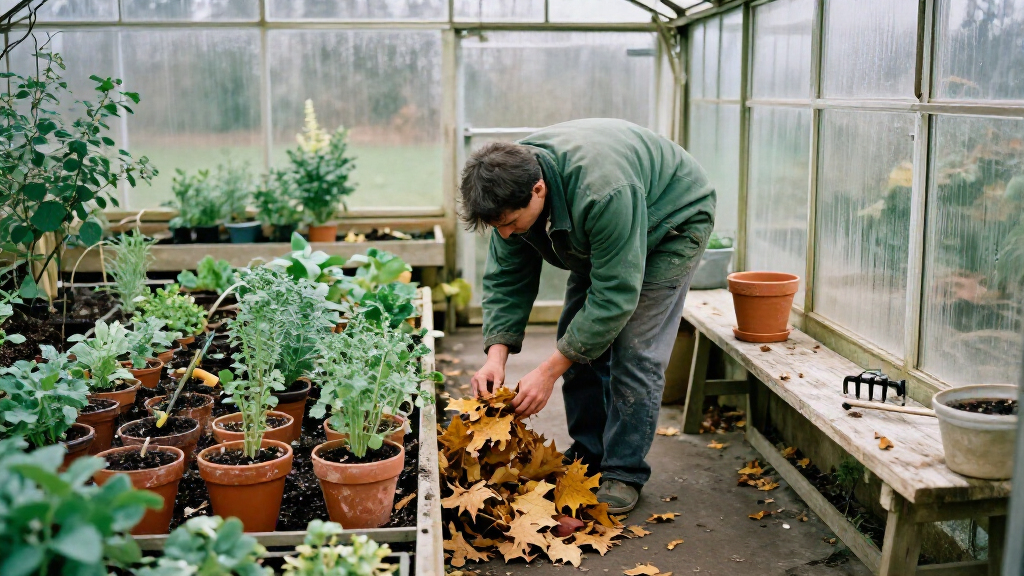
In a November 4, 2026 report for Amateur Gardening, editor Kim Stoddart outlined autumn maintenance for greenhouses and polytunnels. Her advice includes removing plant debris from covers, allowing airflow during colder weather and storing containers, while leaving some low cover to shelter beneficial wildlife.
Amateur Gardening editor Kim Stoddart has published autumn maintenance advice for greenhouse and polytunnel growers, recommending that they remove foliage and leaves from plastic covers, keep some airflow through enclosed growing spaces and put away reusable trays and pots. The November 4 report focuses on protecting light levels and plant health as temperatures fall, while making room for wildlife to shelter over winter.
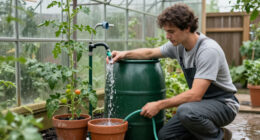
Stoddart says dead or decaying foliage from tall-growing plants, including grapevines and tomatoes, can stick to plastic coverings. If left in place, it may block light and eventually erode the plastic, according to her report. She advises cleaning the inside of a structure at the end of the main growing season with a hose spray and sponge or a soft brush, taking care to remove plant debris from the cover.
She recommends waiting to clean the exterior until most autumn leaves have fallen, since leaves can continue to collect on the skin for several weeks. For a polytunnel roof that is difficult to reach, Stoddart describes tying bedsheets together and pulling them back and forth over the surface with a helper. Her broader maintenance advice is to repair damage to plastic promptly and keep it clean, which she says can help preserve the light entering the growing space.
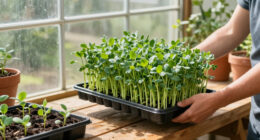
Stoddart takes a low-intervention approach to used containers: she empties spent compost onto beds or borders, shakes planters and stores trays and pots without washing them. She says this is a personal choice and distinguishes it from situations where a gardener is concerned about a particular pest or disease, including eggs. She also suggests doubling up split trays to extend their use and saving clean yoghurt pots and supermarket trays for future planting.
Keeping Covers Clear and Crops Healthy
Autumn cleaning can affect how much light reaches plants during a season when daylight is already limited. Removing leaves and old foliage from greenhouse and polytunnel covers helps avoid debris obstructing that light, while prompt repairs may help prevent small tears or other damage from worsening. Stoddart’s advice is practical for growers seeking to maintain existing structures rather than replace them.
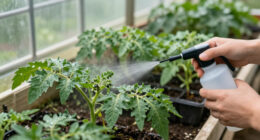
Ventilation is another part of the seasonal balance. Stoddart says growers may want to close doors and windows more often to retain warmth as temperatures drop, but recommends opening them briefly several times during the week to allow air to circulate. She links this airflow to reducing the build-up of fungal disease. She also advises removing yellowed lower leaves and continuing to pick edible leaves, which she says can support further growth and production over winter.
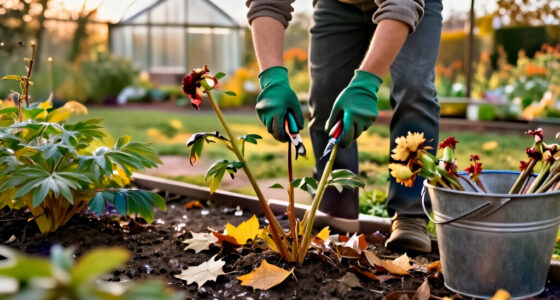
The recommendations also address wildlife and waste. Stoddart says she leaves some foliage or ground cover lower down to offer spiders and ground beetles a safe overwintering place, while keeping the plastic itself clear of debris. Reusing pots and trays and putting spent compost on beds are further ways to retain useful materials, though her advice on not washing containers is not presented as appropriate where a grower has concerns about pests or disease.
Popular right now

De'Longhi Dinamica Plus Fully Automatic Espresso Machine

De'Longhi Rivelia Fully Automatic Espresso Machine with Milk Frother, White

Ninja Flip Toaster Oven & Air Fryer, 8-in-1, Stainless Steel, SP151
As an affiliate, we earn on qualifying purchases.
Seasonal Work Inside Growing Spaces
The report is a fortnightly seasonal advice piece, not an announcement of new horticultural research or a change in official guidance. It was published by Amateur Gardening on November 4, 2026, with Stoddart drawing on her experience as the magazine’s editor and a journalist focused on resilient gardening and food growing.
Its recommendations reflect the shift from the main growing season into colder months: foliage is being cleared, outdoor leaves are still falling, and growers are weighing ventilation against heat retention. Stoddart offers her own routine rather than a universal cleaning schedule. For example, she says she does not routinely wash her trays and modules, but flags pest or disease concerns as a reason to take a different approach.
Stoddart also reports that one of her polytunnel covers is at least 16 years old and still working well. That is a personal example, not a lifespan guarantee or evidence that every cover will last as long. Her central point is that cleaning and repairs may help a cover remain usable, while the material, condition and growing environment of other structures can vary.
“The more you look after your polytunnel or greenhouse, the more productive it will be for the longer term.”
— Kim Stoddart, Amateur Gardening editor
Advice Is Not a Lifespan Guarantee
The report does not give measurements for how much cleaning improves light levels, prevents damage or extends the life of a cover. Stoddart’s 16-year-old polytunnel cover is an individual example, and the article does not specify its material, maintenance history or exposure to weather. It is not clear how often growers should clean different types of structures or what cleaning method is suitable for every cover.
The report also does not provide a specific temperature, ventilation duration or disease threshold for opening doors and windows. Conditions inside growing spaces vary, so the advice to ventilate a little several times a week is not a quantified rule. Stoddart’s choice not to wash trays is explicitly personal; the article does not set out cleaning procedures for containers affected by a known pest or disease.
Tasks Through the Coming Weeks
Stoddart’s immediate seasonal sequence is to clear the inside of the structure first, then wait until more leaves have fallen before cleaning the exterior. Growers can check covers for damage while removing debris and make repairs as soon as damage is found, following methods appropriate to the structure and its covering.
As temperatures dip, the report advises keeping doors and windows closed more often to retain heat, while still opening them briefly a few times during the week for airflow. It also recommends removing yellowing lower leaves and continuing to harvest leaves where plants are producing them. Stoddart says external leaf fall may continue for several weeks, so her approach leaves the outer cleaning until that period has passed. The article does not announce a follow-up date or additional guidance.
Key Questions
What should growers clean first in autumn?
Stoddart recommends starting with the inside of a greenhouse or polytunnel, removing foliage stuck to the plastic with a hose spray and sponge or a soft brush. She suggests waiting until most leaves have fallen before cleaning the exterior.
How often should greenhouse or polytunnel doors be opened in colder weather?
The report does not set a precise schedule or duration. Stoddart advises allowing some airflow by opening doors or windows briefly a few times during the week, even as growers close them more often to retain heat.
Does Stoddart recommend washing used seed trays?
No. She says she empties spent compost onto beds or borders, shakes planters and stores trays without washing them. She notes that concerns about a particular pest or disease, including eggs, may change what a grower chooses to do.
Should all foliage be removed to make a polytunnel tidy?
No. Stoddart advises clearing foliage and debris from the plastic but says she leaves some lower foliage or ground cover to provide an overwintering place for spiders and ground beetles.
Source: amateurgardening.com