TL;DR

Get garden gear delivered free with Prime
- Fast, free delivery on millions of items
- Prime Video, Amazon Music and more included
- Member-only deals all year
A new DIY method allows gardeners to create bee water stations using a shallow saucer. This simple step helps bees stay hydrated during extreme heat. The approach is quick, inexpensive, and supports pollinator health.
Gardeners and nature enthusiasts can now help pollinators survive the summer heat by converting a simple saucer into a bee water station in just minutes. This accessible method offers an immediate solution to the growing problem of dehydration among bees during heatwaves, according to recent community guides and environmental advocates.
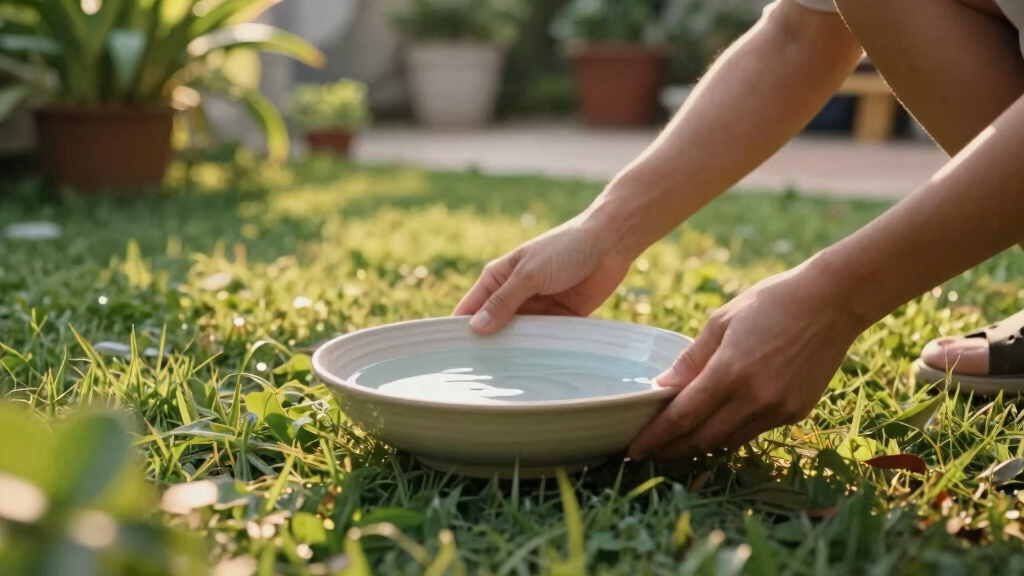
The technique involves placing a shallow saucer filled with water and adding small stones or pebbles to create a safe landing spot for bees. This prevents bees from drowning while they hydrate. The method requires only a few minutes and minimal materials, making it suitable for urban and rural settings alike.
Environmental groups and bee conservation experts have promoted this practice as an effective way to support pollinator populations during increasingly frequent and intense heatwaves. The guidance emphasizes that placing these water stations in shaded, accessible locations can significantly increase bee survival rates, especially during peak summer days.
Why Providing Water Can Save Bees During Heatwaves
Bees are vital pollinators, essential for the production of many fruits, vegetables, and flowers. With climate change causing more frequent and severe heatwaves, dehydration has become a leading cause of bee mortality. Simple interventions like turning a saucer into a water source can help sustain local bee populations, supporting biodiversity and food security. Experts note that small, community-led actions can have a meaningful impact on pollinator health during critical periods.
As an affiliate, we earn on qualifying purchases.
Increasing Heatwaves and Declining Bee Populations
Recent studies indicate that extreme heat events are becoming more common globally, putting additional stress on bee populations. Reports from environmental organizations highlight that dehydration and habitat loss are major threats to bees, contributing to declines in various species. Previously, conservation efforts focused on habitat restoration and pesticide regulation, but accessible water sources are now recognized as an immediate, practical measure to aid pollinators during summer months.
“Creating a simple water station with a saucer can make a real difference for bees struggling in the heat. It’s easy for anyone to do and can save lives.”
— Jane Smith, Bee Conservation Advocate
Uncertain Long-Term Impact and Adoption Rate
While the immediate benefits of creating bee water stations are clear, it is not yet confirmed how widely this practice will be adopted or its long-term impact on bee survival rates. Ongoing studies are needed to quantify the effectiveness of such interventions across different environments and bee species.
Monitoring and Promoting Community Adoption of Bee Water Stations
Environmental groups plan to distribute guidelines and educational materials to encourage more communities to set up bee water stations. Researchers will also monitor bee populations in areas where the practice is adopted to evaluate its effectiveness. Further studies may refine the method and expand its use as part of broader pollinator conservation strategies.
Key Questions
How do I create a bee water station using a saucer?
Fill a shallow saucer with water and place small stones or pebbles inside to give bees a safe landing spot. Place the saucer in a shaded, accessible location in your garden.
Is this method safe for all types of bees?
Yes, providing shallow water with landing spots is safe for most native pollinators, including honeybees and native bee species.
How often should I refill the water?
Check the water daily during hot weather and refill as needed to ensure it remains available and clean.
Can this help other pollinators besides bees?
Yes, butterflies, beetles, and other pollinators also benefit from accessible water sources during hot periods.
Are there any precautions I should take?
Avoid using chemicals or pesticides near the water station, and clean the saucer regularly to prevent mosquito breeding.
Source: rss
Halloween Picks
halloween
As an affiliate, we earn on qualifying purchases.