TL;DR

Get garden gear delivered free — and shop member deals
- Fast, free delivery on millions of items
- Access to Prime Big Deal Days deals on October 6–7
- Prime Video, Amazon Music and more included
A Homes & Gardens gardening report recommends five purple or blue-purple flowers that may provide nectar for hummingbirds during fall migration: Mexican bush sage, catmint, great blue lobelia, agastache and obedient plant. Bloom times and growing conditions vary by plant and location, and the report does not quantify how many birds the flowers attract.
Homes & Gardens has highlighted five purple or blue-purple flowers that gardeners can grow to provide nectar for hummingbirds during fall migration, when some spring and summer blooms have faded. The report names Mexican bush sage, catmint, great blue lobelia, agastache and obedient plant, while noting that their flowering periods and growing needs differ.
The report describes fall-blooming flowers as a way to help fill a seasonal “nectar gap” as hummingbirds travel south. It says Mexican bush sage blooms from late summer into fall, while agastache can flower from early summer until the first frost. Obedient plant may also continue flowering until frost, and great blue lobelia typically blooms from July through October. Catmint may extend its summer display into fall, depending on variety and conditions.
Growing requirements vary. The article recommends full sun and well-draining soil for Mexican bush sage, catmint and agastache. Great blue lobelia prefers moisture-retentive soil and may suit a rain garden. Obedient plant can grow in full sun or partial shade and across several soil types, though the report says it prefers rich, evenly watered soil. These are general recommendations; local climate and a plant’s variety can affect performance.
The report gives USDA hardiness ranges of Zones 8–10 for Mexican bush sage, 3–9 for catmint, 4–9 for great blue lobelia, 5–10 for agastache and 3–9 for obedient plant. It suggests removing spent flowers and leggy growth from catmint after its first flush to encourage another round of blooms. For agastache, it recommends dividing mature plants every three to five years.
Nectar Options During Fall Migration
Hummingbirds need nectar as an energy source, and flowering plants can provide it while birds move through gardens on migration. The article’s practical point is that gardeners can extend the season’s available blooms by choosing plants whose flowering periods reach into fall. That may make a yard a useful stop for visiting birds, though the report offers no measurements of how much nectar each plant supplies or how many hummingbirds a planting will attract.
The five choices also support other pollinators, according to the source: it describes catmint and great blue lobelia as attractive to bees and butterflies as well as hummingbirds. Selecting plants suited to local growing conditions can help keep flowers available, but planting them does not guarantee that migrating birds will visit a particular yard.
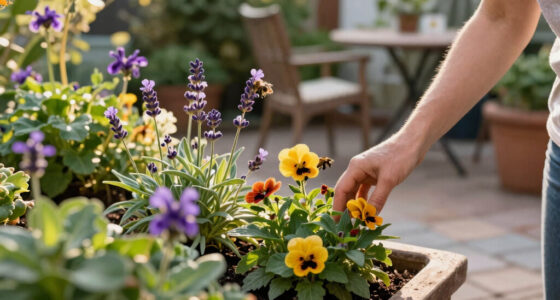
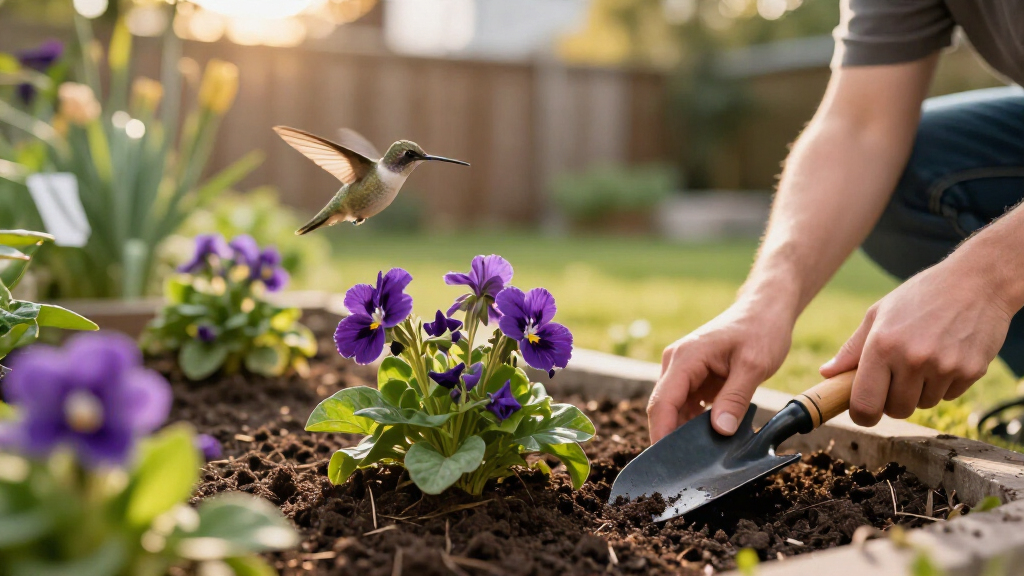
purple fall flowering plants for hummingbirds
As an affiliate, we earn on qualifying purchases.
As an affiliate, we earn on qualifying purchases.
Five Flowers and Their Bloom Windows
The report says gardeners may associate hummingbirds with red flowers, but it presents purple and blue-purple blooms as additional options. Its explanation is that hummingbirds have tetrachromatic vision that includes ultraviolet light, which it says helps bold purple and electric-blue flowers stand out against foliage. The article provides this as background for its plant recommendations; it does not compare visitation rates by flower color.
Mexican bush sage has arching flower spikes and tubular blooms, but the report says it dies back with the first hard frost. Great blue lobelia is a blue-purple native plant with tubular flowers. Agastache, also known as hyssop or hummingbird mint, comes in purple varieties such as ‘Black Adder’ and ‘Blue Fortune.’ Obedient plant produces spikes of pink and lavender blooms. These differences mean gardeners should check the specific plant’s mature size, moisture needs and local suitability before planting.
““nectar gap””
— Homes & Gardens report
Local Bloom Timing Varies
The source does not give a publication date, identify a particular migration route or provide observations showing that hummingbirds have visited these plants. It also does not quantify nectar output or compare the flowers’ effectiveness. Bloom timing can vary with the variety, weather and local conditions; catmint’s fall flowering is specifically described as dependent on variety.
The USDA zones listed are broad hardiness guidance, not a guarantee that a plant will thrive in every garden within those zones. The report does not establish whether all five choices are appropriate for every region or which would be best for an individual yard. Gardeners should check local growing guidance and plant labels before buying or planting.
Check Local Conditions Before Planting
Gardeners considering these flowers can compare the listed hardiness zones and growing requirements with their local conditions, then choose plants suited to their soil, sunlight and moisture. For fall color and nectar, the relevant detail is each plant’s expected flowering window in the gardener’s area, especially where frost arrives early.
The source also points readers toward winter hummingbird care, including keeping feeder nectar available, watching for nests and planting winter-flowering shrubs. It does not specify a next reporting date or provide a schedule for migration; those developments will vary by location and season.
Key Questions
Which purple flowers does the report recommend for hummingbirds?
It names Mexican bush sage, catmint, great blue lobelia, agastache and obedient plant. Their flowering periods and growing needs differ.
Which of the listed flowers may bloom latest in the season?
The report says Mexican bush sage blooms from late summer through fall, while agastache and obedient plant can continue until the first frost. Actual timing depends on the plant and local conditions.
Do all five plants need full sun?
No. The article recommends full sun for Mexican bush sage, catmint and agastache. It says obedient plant can grow in full sun or partial shade, while great blue lobelia prefers moist soil.
Will planting these flowers guarantee hummingbird visits?
No. The report presents the flowers as potential nectar sources but does not provide visitation data or guarantee that hummingbirds will use a particular garden.
Source: rss
Halloween Picks
halloween
As an affiliate, we earn on qualifying purchases.