
TL;DR

Get garden gear delivered free with Prime
- Fast, free delivery on millions of items
- Prime Video, Amazon Music and more included
- Member-only deals all year
Gardening Know How has published a guide to eight ways gardeners can repurpose used tin cans, including seed-starting pots, cutworm collars, storage containers and lanterns. The article says cans need cleaning, safe edge handling and drainage holes where they will hold plants; rust and the limits of pest deterrents remain practical concerns.
Gardening Know How has published a guide to eight ways gardeners can reuse household tin cans, from starting seeds and protecting seedlings from cutworms to organizing tools and making lanterns. The article presents the projects as low-cost ways to repurpose cans, while warning readers to clean them, deal safely with sharp edges and add drainage holes when using them as planters.
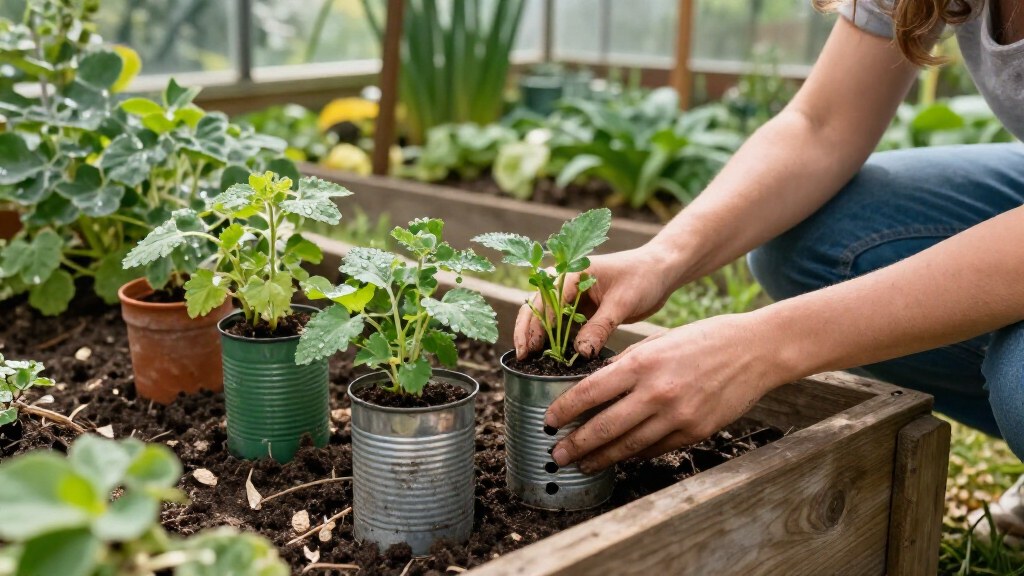
The guide says empty cans can be used as seed-starting pots after drainage holes are punched into the bottom. It recommends a light, sterile seed-starting mix rather than garden soil. Because metal does not breathe like terracotta, gardeners should check the mix before watering. To remove a seedling later, the guide suggests cutting out the can’s bottom and pushing the root ball upward.
For pest management, the article describes an open-ended can collar pressed 1–2 inches into the soil around a young plant, with part of the can left above ground. It says this may help deter cutworms, which attack stems near soil level, but is not a complete barrier. Cans hung near plants may also startle birds, although the report cautions that birds can become accustomed to them.
Other uses include holding twine, plant labels and hand tools, serving as a scoop for compost or granular fertilizer, and acting as a small planter for compact herbs such as thyme, chives and oregano. The article also lists lanterns and winter shelters for hollow stems among its ideas. Its supplied text begins describing a lantern method using ice to support the can while holes are punched, but the instructions are cut off, and the full details of all eight ideas are not available in the provided excerpt.
Low-Cost Reuse With Practical Limits
Repurposing cans can give gardeners a free container or storage option and reduce the need to buy single-use pots and organizers. The same can may serve more than one purpose: the article describes removing the bottom of a seed-starting can and reusing it as a cutworm collar after transplanting.
The ideas are practical rather than a substitute for established gardening methods. Cans can rust as their protective coating wears away, and metal containers may heat up or dry out quickly in sun. The article advises drainage for plant containers and says a pest collar should be treated as a limited deterrent, not a guarantee against damage.
As an affiliate, we earn on qualifying purchases.
Preparing Cans for Garden Use
The report’s central advice is to prepare each can before taking it outdoors. It recommends washing cans with hot, soapy water, using a bottle brush to remove food residue and soaking them to loosen labels and adhesive. The cut edges are a safety hazard: the article advises using a smooth-edge opener where available, flattening jagged metal with pliers or filing it, and wearing gloves during handling.
Most cans described as tin are steel with a thin tin coating, according to the article, so exposed metal can rust over time in wet soil or rain. It recommends punching drainage holes in containers and painting the outside of cans intended to stay outdoors for longer periods. A can with substantial rust may no longer be suitable for reuse and can generally be sent for metal recycling, subject to local recycling rules.
““They’re stiff, hold soil and water without leaking, and cost nothing after being discarded.””
— Gardening Know How
Limits of the Can Reuse Advice
The supplied source material does not include the complete instructions for all eight projects: the excerpt stops partway through the lantern section. It also gives no comparative testing or evidence that the suggested bird-scaring method works consistently. The article itself acknowledges that birds may habituate and that cans do not prevent every pest from reaching a plant.
How long a can remains suitable outdoors depends on its condition, coating, exposure and use; the report provides no lifespan estimate. Gardeners should also check local rules before placing used metal containers in recycling, as accepted materials can vary.
Using the Ideas Safely
Gardeners following the guide can begin by washing and inspecting cans, then choosing projects suited to their condition: containers need drainage, while open-ended collars and storage cans should have safe edges. Keep fertilizer scoops separate from food utensils and store them dry, as the article advises.
The source provides no announced follow-up or test results. Readers seeking the full set of eight projects can consult Gardening Know How’s original report; for pest control, they should treat the can suggestions as limited measures and monitor plants for damage.
Key Questions
What are some ways to reuse tin cans in a garden?
Gardening Know How lists seed-starting pots, cutworm collars, storage for twine and tools, compost or fertilizer scoops, small herb planters and lanterns among its ideas. The supplied excerpt does not show the complete instructions for all eight uses.
How should a can be prepared before planting in it?
Wash it thoroughly, remove or smooth sharp edges, and punch drainage holes in the bottom. The article recommends sterile seed-starting mix for seedlings and checking moisture because metal does not breathe like terracotta.
Do tin-can collars stop garden pests?
The article says an open-ended can collar may help protect young plants from cutworms if pressed about 1–2 inches into the soil. It does not promise full protection; slugs may climb over a can, and hanging cans may lose their effect on birds over time.
Will garden cans rust?
Yes. The report says many cans have a thin tin coating over steel that can wear away with exposure to rain and wet soil. It suggests painting the outside of cans kept outdoors for longer periods and recycling cans that are too deteriorated to reuse.
Source: rss
Fall Picks
fall essentials
As an affiliate, we earn on qualifying purchases.