
TL;DR

Get garden gear delivered free with Prime
- Fast, free delivery on millions of items
- Prime Video, Amazon Music and more included
- Member-only deals all year
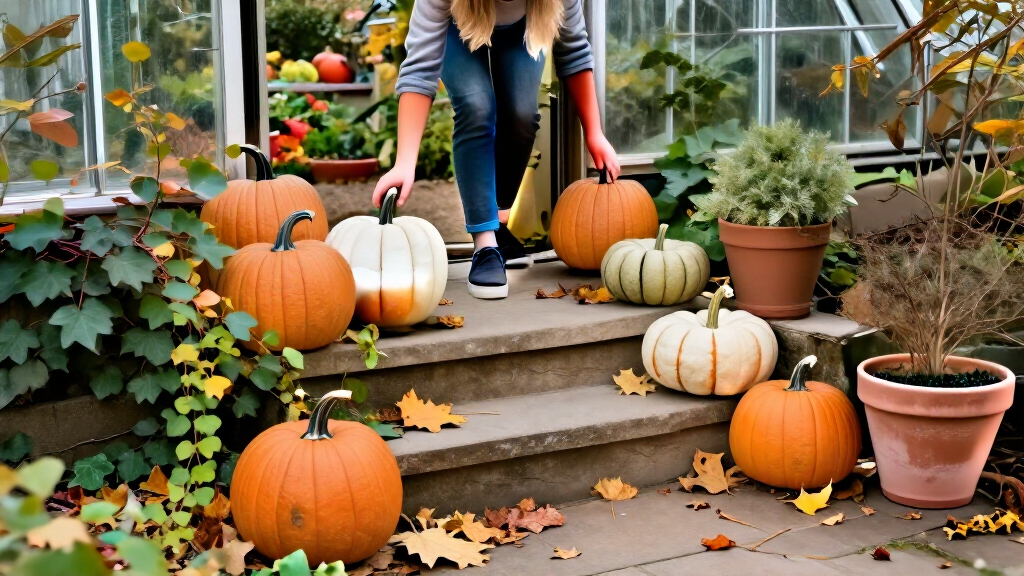
A Gardening Know How report explains how to create a fall pumpkin display inspired by Martha Stewart’s annual staircase arrangements. Experts recommend repeating a restrained color palette, grouping pumpkins in odd numbers, adding flowers and foliage, and leaving space between clusters.
Gardening Know How has published a guide to recreating the pumpkin-and-gourd displays associated with Martha Stewart’s annual fall staircase decorations, drawing on advice from a garden designer and a gardening expert. Their recommendations focus on a repeated color palette, varied pumpkin sizes, flowers and foliage, and enough open space to keep the arrangement from looking crowded.
Preeti Shah, founder of Spotlight Style and a luxury event producer, told Gardening Know How that a display looks intentional when it follows a plan. She recommends choosing a limited color palette, such as cream, soft sage and deep orange, and repeating those colors across the steps. She also advises varying pumpkin sizes, arranging them in odd-numbered groups, and using larger pieces to anchor the corners while smaller ones sit near the front edges.
Shah’s advice includes leaving clear space between clusters so the stairs remain visible, then stepping back to check whether one area draws too much attention. Heidi Grasman, a gardening expert and co-owner of Garden Crossings, said flowers and foliage help move a porch arrangement beyond a Halloween look. In her view, pumpkins work best as accents rather than the only decorative element.
For plantings, Grasman suggests chrysanthemums as the main flower, with coral bells for foliage color and ornamental grasses for structure. She says the mum’s stage of bloom matters: plants already flowering provide immediate color, while those still in bud may keep their display going longer. Ornamental peppers, kale and cabbage can also be added to fall planters, according to her advice.
A Staircase Display With a Plan
The guidance translates a polished seasonal arrangement into specific choices homeowners can adapt, rather than treating it as a matter of buying many pumpkins. A limited palette and repeated colors connect the steps, while different sizes create variation. Space between clusters keeps the staircase legible and avoids making the display look like a continuous pile.
The advice also offers a practical way to extend the arrangement’s visual interest. Flowers and foliage add color and structure that pumpkins alone may not provide, and choosing mums at different stages of bloom can affect how the display looks over time. The recommendations are design guidance from the quoted experts, not a guarantee that every arrangement will match Stewart’s home or last for a particular period.
Popular right now

Philips 2200 Series Fully Automatic Espresso Machine with Classic Milk Frother, 2 Coffee Varieties, Intuitive Touch Display, Ceramic Grinder

Apple AirPods Max 2 Wireless Over-Ear Headphones – Midnight

Hisense 65-inch U6 Pro Mini-LED 4K UHD Smart Fire TV
As an affiliate, we earn on qualifying purchases.
Color, Varieties and Growing Plans
The report names several pumpkin varieties that can suit different looks. Casper, Lumina and Baby Boo are described as white or cream choices; Howden and Cinderella, also called Rouge Vif d’Etampes, offer deeper orange tones. Galeux d’Eysines has textured skin, while Jarrahdale is a flattened, bluish-gray variety. Gourds with varied shapes can fill gaps along the steps.
For readers who want to grow their own pumpkins, the report says to sow outdoors in late May or early June, or start seeds indoors four to six weeks before the last frost. It advises allowing at least six feet in each direction for most varieties. Once seedlings emerge, keep the stronger one and snip the weaker one at soil level. The report says pumpkins are ready to harvest when their skins are hard and stems dry, then recommends curing them in a warm spot for 10 to 14 days.
“A pumpkin display looks designed when it has a plan.”
— Preeti Shah, founder of Spotlight Style and luxury event producer, quoted by Gardening Know How
What the Guide Does Not Specify
The report presents design recommendations, not a documented account of a particular new display or a statement from Stewart about her own methods. It does not specify the date of Stewart’s latest arrangement, the exact varieties used in it, or whether she follows the experts’ suggested layout. The named varieties are examples in the guide, not a confirmed inventory of Stewart’s display.
The report also does not give a single expected lifespan for a porch arrangement. How long pumpkins, flowers and foliage remain presentable will depend on the plants, weather and care; the material provided does not establish a duration or a set of conditions that would apply to every home.
Plan This Fall’s Arrangement
For a display this fall, the guide’s sequence is to select a small, repeated color palette, choose pumpkins and gourds in several sizes, then add mums and complementary foliage. Arrange the larger pieces as anchors, use smaller items to fill selected gaps, and leave open space between groups. Step back from the staircase and adjust any cluster that overwhelms the rest.
People planning to grow their own for a future fall display can use the report’s planting windows as a starting point, while checking local frost dates and the growing needs of the varieties they choose. The guide does not announce a future Stewart display or a follow-up date; its immediate next step for readers is applying the design advice to their own seasonal decorations.
Key Questions
What are the main tips for copying the display?
Use a limited palette, vary pumpkin sizes, arrange them in odd-numbered groups, add flowers and foliage, and leave visible space between clusters.
Which pumpkins does the report recommend?
It lists Casper, Lumina and Baby Boo for white or cream tones; Howden and Cinderella for orange; and Galeux d’Eysines and Jarrahdale for more unusual textures or colors.
Which flowers and foliage can go with pumpkins?
Heidi Grasman recommends mums as the focal flowers, with coral bells and ornamental grasses for foliage and structure. She also suggests considering ornamental peppers, kale or cabbage in fall planters.
When should I plant pumpkins for next fall?
The report advises sowing outdoors in late May or early June, or starting seeds indoors four to six weeks before the last frost. It says most varieties need at least six feet in each direction, though local conditions and variety requirements may differ.
Does the report confirm the varieties in Martha Stewart’s display?
No. The varieties are offered as options for readers. The report does not identify the exact pumpkins or gourds used in Stewart’s arrangement.
Source: rss