TL;DR
Homes & Gardens reports that spider mites can become a common houseplant problem in October as plants move indoors and heating dries indoor air. Its recommended response is to isolate affected plants, remove heavily infested growth, clean leaves and repeat treatment over several weeks; the source does not provide research data or a named expert attribution.
Homes & Gardens reports that spider mites can become a recurring problem for houseplants in October, when plants are brought indoors and home heating can create warm, dry conditions. The article recommends isolating affected plants and repeatedly cleaning or treating them, while noting that a single pass may not remove all mites.

Get garden gear delivered free with Prime
- Fast, free delivery on millions of items
- Prime Video, Amazon Music and more included
- Member-only deals all year
The report identifies indoor heating, moving outdoor plants inside, and mistakes in watering or other plant care as factors that can leave houseplants more vulnerable. It says spider mites thrive in warm conditions and dislike humidity, so drier indoor air during fall and winter can favor them. It does not provide prevalence figures or cite a study quantifying how often infestations occur in October.
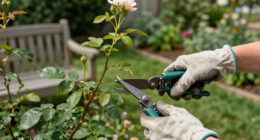
For an affected plant, the article advises moving it away from other houseplants as soon as fine webbing is noticed. It recommends pruning heavily infested stems or leaves with sharp tools and cleaning those tools afterward. It then suggests wiping leaves with a damp microfiber cloth, using neem oil as a treatment option, or rinsing the plant in a shower to remove mites.
Homes & Gardens says these steps should be repeated every few days for three to four weeks. It also suggests raising humidity, for example by moving plants to a bathroom or using a humidifier. The source presents these as gardening recommendations, not as a guaranteed cure; it does not provide product-specific directions or discuss whether every plant species tolerates the same treatment.
Protecting Plants as Homes Heat Up
The seasonal advice matters to people bringing patio or garden plants indoors and to anyone whose home becomes warmer and drier in fall. An infestation can spread between nearby plants, so early isolation gives a grower a way to limit contact while checking the rest of a collection. Repeated cleaning also reflects the report’s point that one treatment may not be enough.
The guidance emphasizes prevention alongside pest removal: monitor watering, avoid letting plants become stressed, and consider indoor humidity. These measures may help create less favorable conditions for mites, but the report does not claim that humidity changes alone will eliminate an established infestation. Readers should treat neem oil and any other pest-control product according to its label, including any instructions about ventilation and protective equipment.
Popular right now

Bose QuietComfort True Wireless Earbuds with Active Noise Cancellation, Bluetooth 5.3, USB-C Charging, IPX4, Black

De'Longhi Classic Signature Espresso Machine with Adjustable Milk Frother

De'Longhi Magnifica Duo Fully Automatic Espresso Machine with Hot and Cold Milk Frother
As an affiliate, we earn on qualifying purchases.
Why October Raises the Risk
The report links the timing to a seasonal shift: temperatures drop, people bring some plants indoors, and heating systems begin running. Together, those changes can alter the environment around houseplants. Homes & Gardens says warm, dry indoor conditions are favorable to spider mites, while humidity is less so.
It also connects plant health to risk. Inconsistent watering, including overwatering or underwatering, can weaken plants, according to the article. It recommends checking soil moisture rather than watering by guesswork. The source offers this as practical care advice; it does not identify a specific moisture threshold or establish that watering errors alone cause mite infestations.
“Spider mites are often a problem in fall due to optimal conditions for them to thrive.”
— Homes & Gardens report
Limits of the Seasonal Advice
The article describes October as a common time for spider mites but supplies no infestation statistics, cited scientific research, or named expert who can independently confirm how widespread the problem is. It also does not specify which plant species are most at risk or how quickly a particular infestation should respond to the recommended steps.
Neem oil is mentioned as an option, but the source gives no product label, dilution rate, or plant-specific safety information. Treatment suitability can vary, so readers should follow the product label and check that it is appropriate for the plant. The report does not say whether its approach works equally well for every level of infestation.
Monitor Plants Through the Fall
For readers following the report’s advice, the next steps are to inspect leaves and stems, separate any plant showing webbing, and repeat cleaning or treatment on the suggested schedule. Continue checking nearby plants for signs of spread and adjust care to avoid overly dry conditions without overwatering.
The source provides no follow-up test, expert response, or later update confirming outcomes. Whether an infestation has cleared will depend on continued inspection; the report’s recommended three-to-four-week period is a suggested course of action, not a confirmed deadline for eradication.
Key Questions
Why are spider mites associated with October?
Homes & Gardens links the risk to plants moving indoors, indoor heating and dry air as temperatures fall. It does not give data showing how common infestations are in October.
What should I do first if I see webbing?
The report recommends isolating the affected plant from other houseplants promptly, then removing heavily infested growth and cleaning pruning tools.
How often does the report recommend cleaning or treatment?
It says to repeat the steps every few days for three to four weeks. This is the article’s guidance, not a guarantee that every infestation will be gone by then.
Does the article say neem oil is safe for every houseplant?
No. It names neem oil as an option but provides no plant-specific safety guidance or application directions. Follow the product label, including any protective-equipment instructions, and check that it is suitable for the plant.
Source: rss