TL;DR

Get garden gear delivered free — and shop member deals
- Fast, free delivery on millions of items
- Access to Prime Big Deal Days deals on October 6–7
- Prime Video, Amazon Music and more included
Amateur Gardening’s winter bird-care guide recommends seasonal feeding alongside steps to reduce disease risks: clean feeders weekly, keep food dry and provide fresh water. Leaving seed heads and planting berry-producing shrubs can also give birds natural food and shelter.
Amateur Gardening has published seven ways to help garden birds through winter, pairing seasonal feeding with advice to limit the spread of disease around feeders. Its recommendations include cleaning feeders weekly, keeping food dry, changing bird-bath water daily and leaving seed heads and berry-producing plants in the garden.
The guide says to offer supplementary food during the colder months, when natural food sources become scarcer. It gives a suggested feeding season of November 1 to April 30 and says feeding can be paused from May 1 to October 31, when seeds and insects are more available. Suggested foods include birdseed, peanuts, fat and suet balls.
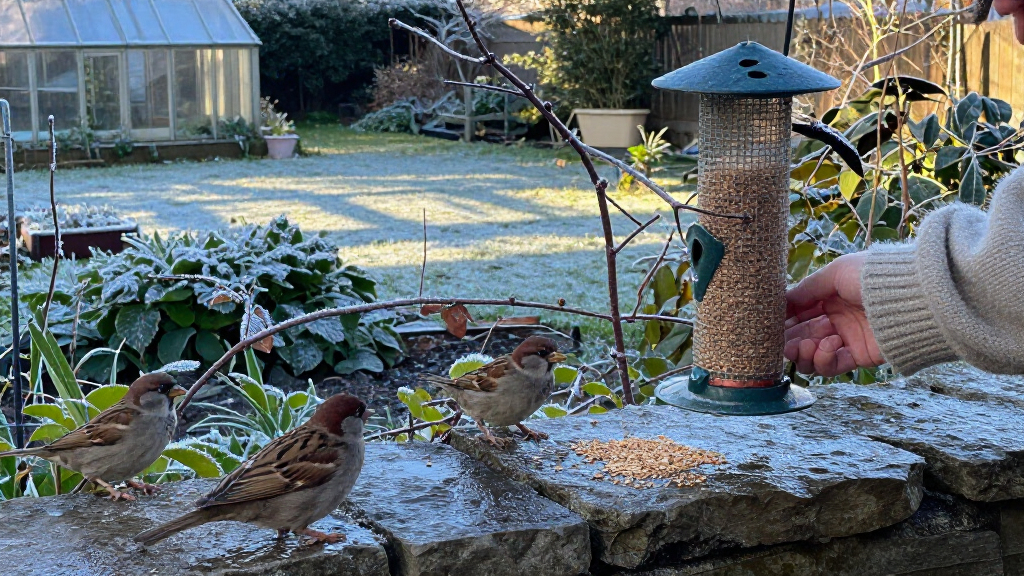
To reduce contamination, the article recommends hanging feeders rather than scattering food on flat surfaces, cleaning feeders once a week with warm soapy water and a non-toxic disinfectant, and moving feeders to a different spot weekly. It advises keeping feeders away from trees or places where birds roost, where droppings could contaminate them.
The amount and handling of food matter too, according to the guide: seed and peanuts should be eaten within one or two days, fat and suet balls should be changed every seven days, and mealworms scattered on the ground should be removed before dusk. Food should be kept dry. For water, the article recommends cleaning bird baths and replacing their water every day, using tap water.
Reducing Risks at Garden Feeders
Feeding birds can provide extra food when supplies in the garden are limited, but concentrated feeding areas can also bring birds into close contact. The article points to trichomonosis, a contagious disease, as a concern where birds gather, including at feeders. Regular cleaning, moving feeders and avoiding food build-up are practical ways to reduce contamination risks; the guidance does not claim these steps eliminate disease.
The issue matters to people who feed birds because well-intentioned routines can affect more than the birds being fed. The source cites a decline in greenfinches: their numbers have fallen by more than 65% over three decades, and their ranking in the RSPB’s Big Garden Birdwatch has shifted from seventh when the count began in 1979 to 18th “this year,” according to the report. The source does not provide the year for that latest ranking, so it should not be read as a current annual result without checking the date.
As an affiliate, we earn on qualifying purchases.
Seasonal Food Beyond Feeders
The guide presents winter feeding as one part of making a garden more useful to birds, not a substitute for natural food or habitat. It recommends leaving some flowers untrimmed after blooming so their seed heads remain available, and planting species that provide seeds, insects, berries or cover.
Examples in the report include sunflowers, coneflowers, teasel and black-eyed Susan for seed, and hawthorn and rowan for berries. Holly is mentioned as providing both cover and berries. The source also notes that plants attracting caterpillars can provide food for nesting birds and chicks. These recommendations complement the feeder advice by encouraging birds to forage across the garden.
““feed seasonally” and “feed safely””
— The Royal Society for the Protection of Birds (RSPB), as quoted in the Amateur Gardening report
Limits of the Available Guidance
The report does not identify a particular local outbreak, give a publication date in the supplied material, or explain the evidence behind each feeding interval. Its seasonal dates are presented as general advice; readers may need to consult current guidance from wildlife organizations if disease advice changes or an outbreak is reported locally.
The report also gives no detailed instructions on feeder materials, disinfectant dilution or disposal. It says to use a non-toxic disinfectant but does not name a product or provide a method. Its bird-count comparison refers to “this year” without specifying the year, and the cited decline figures are not accompanied here by a link to the underlying RSPB data.
Practical Steps for the Coming Weeks
Gardeners following the article’s advice can start by checking feeders and bird baths, setting a weekly cleaning routine, and offering only amounts likely to be eaten promptly. They can also move feeders periodically, keep food dry and replace bath water each day. Where mealworms have been scattered on the ground, the guide advises removing them before dusk.
For longer-term habitat, the recommendations point to leaving suitable seed heads standing and considering berry-producing plants and cover. The source sets out seasonal dates but does not announce a new policy or future event. Readers should check updated RSPB or local wildlife guidance if conditions or disease warnings change.
Key Questions
When does the guide recommend feeding garden birds?
The article suggests feeding from November 1 through April 30, then pausing from May 1 through October 31 when more natural food may be available. These are the source’s general seasonal dates.
How often should bird feeders be cleaned?
The guide recommends cleaning feeders weekly with warm soapy water and a non-toxic disinfectant. It also advises moving feeders to a different place in the garden each week.
What winter food does the article suggest?
It lists birdseed, peanuts, fat and suet balls. Seed and peanuts should be eaten within one or two days, while fat and suet balls should be changed every seven days, according to the report.
What can gardeners plant or leave for birds?
The article recommends leaving seed heads from plants such as sunflowers, coneflowers and teasel, and considering berry-producing shrubs such as hawthorn and rowan. Holly is described as offering cover as well as berries.
How should a bird bath be maintained?
The report advises cleaning the bath and replacing its water every day, using tap water.
Source: rss
Fall yard work Picks
leaf blowers
As an affiliate, we earn on qualifying purchases.