
TL;DR

Get garden gear delivered free with Prime
- Fast, free delivery on millions of items
- Prime Video, Amazon Music and more included
- Member-only deals all year
A Homes & Gardens gardening report recommends five October steps to help lavender get through winter: avoid heavy pruning, check drainage, reduce watering, protect vulnerable pots from freezing and skip fertilizer. The right approach depends on the plant’s variety, local climate and whether it grows in the ground or a container.
A Homes & Gardens gardening report advises lavender growers to limit fall pruning, keep roots from sitting in wet soil, reduce watering and protect pots from freezing as October brings cooler weather. The five-step guidance also recommends skipping fertilizer, with care adjusted for lavender variety, growing conditions and local winter temperatures.
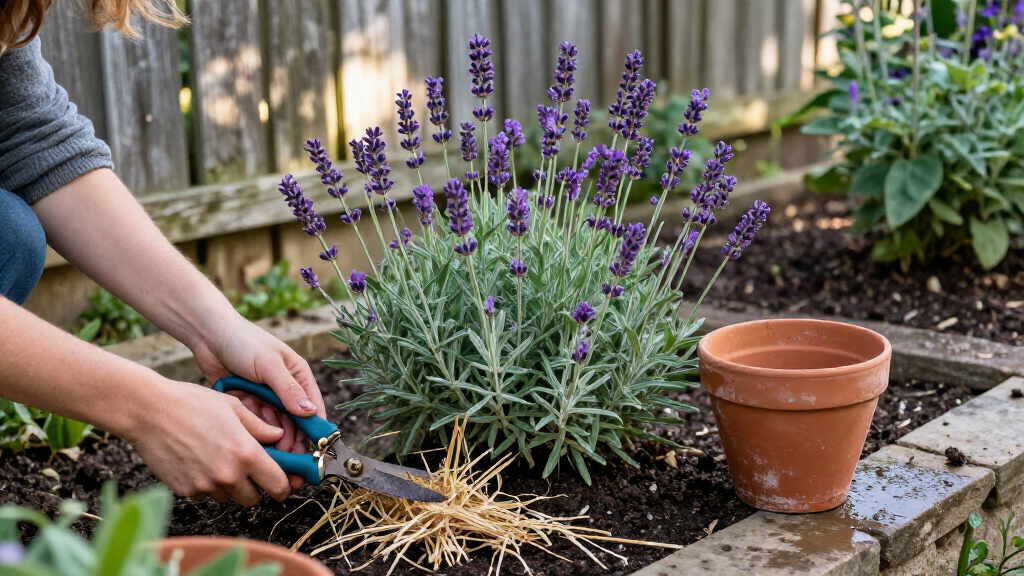
The first recommendation is to avoid a major October cutback. If lavender was trimmed after flowering in late summer, the report says there is usually no need to prune heavily again, as explained in this guide to pruning lavender for winter. Gardeners can remove remaining spent flower stems with clean, sharp shears, but should avoid cutting into old woody growth. Late pruning may encourage tender growth vulnerable to frost, and lavender may not regrow well from old wood. Leggy plants can be assessed in spring, after winter damage is visible.
Drainage and watering are central to the advice. Lavender roots can be damaged when they remain in wet soil, so the report suggests checking whether garden beds drain after rain. Heavy or waterlogged soil may call for a raised bed or a container, while horticultural grit or an appropriate potting mix may help in some situations. Established plants in the ground are drought-tolerant and generally need little extra fall water unless conditions are unusually dry. For pots, check the soil before watering and direct water toward the soil rather than foliage.
The final two steps focus on container protection and restraint. Pots expose roots to colder temperatures than garden soil does, so move them to a sunny, sheltered spot and check the plant’s hardiness label. The report says hardy English lavender can often stay outside if conditions suit the variety and drainage is good, while French and Spanish lavender are generally less cold-hardy and may need a frost-free space. Insulation around a pot may help protect roots, but avoid materials that hold moisture around the plant’s crown. The report also advises against October fertilizing, which can prompt growth at a time when the plant is preparing for winter.
Winter Risks for Lavender Roots
The advice addresses two common seasonal risks: cold exposure and excess moisture. A container’s roots have less insulation from freezing temperatures than roots in the ground, while persistently wet soil can contribute to root rot. Heavy pruning or fertilizer can also encourage new growth close to the onset of cold weather, when tender shoots may be vulnerable.
Following these steps may help gardeners avoid preventable stress, but the report does not promise that every plant will survive winter or bloom the following year. Outcomes depend on the cultivar, local climate, drainage and care. Checking a plant label and responding to actual soil conditions matters more than applying one schedule everywhere.
Popular right now

LG 85-inch QNED75B Mini LED Smart TV Bundle with HDMI and CPS Protection Plan

Dyson V8 Cordless Vacuum

Bose QuietComfort Headphones (2nd Gen), Wireless Noise-Cancelling Over-Ear Headphones, Eucalyptus Green
As an affiliate, we earn on qualifying purchases.
Care Depends on Variety and Setting
Lavender is grown in garden beds and containers for its fragrant flowers and silvery-green foliage, and its blooms can attract pollinators. The source report frames October as a time to prepare plants for colder weather, particularly in places with freezing winters. It notes that different lavender varieties have different cold tolerances, so its recommendations are not identical for every plant.
The report’s guidance comes from Homes & Gardens, including comments from Rachel Bull, its Head of Gardens. It presents general seasonal advice rather than a forecast for a particular region or a guarantee of next season’s flowering. Gardeners should use local conditions and the plant’s label when deciding whether to leave a pot outside or move it under cover.
“Lavender thrives when its roots can breathe, so good drainage is especially important as temperatures drop and fall rain arrives.”
— Rachel Bull, Head of Gardens at Homes & Gardens
Local Frost and Plant Hardiness
The report does not specify a single temperature threshold for bringing each lavender variety indoors, and local frost timing and severity vary. It also does not establish that any particular soil amendment, pot covering or care routine will guarantee winter survival or a strong bloom. Gardeners should check cultivar-specific hardiness information and assess drainage and weather in their own location.
How much water a potted plant needs will depend on its container, soil and conditions. The source recommends checking the mix before watering rather than following a fixed schedule. It does not provide a universal amount of water or a precise date for moving pots to shelter.
Watch Conditions Through Winter
As temperatures fall, gardeners can review the plant label, check whether water drains freely and move vulnerable containers to a bright, sheltered or frost-free location as appropriate. Avoid major pruning and fertilizer in October, and water only when the potting mix needs it. In spring, inspect plants for winter damage and assess their shape before pruning.
The next practical milestone is the arrival of local freezing weather. The report offers seasonal preparation advice, not a calendar of future updates; gardeners should adjust protection as their weather changes.
Key Questions
Should I prune lavender in October?
Avoid heavy pruning in October, especially in colder areas. You can remove remaining spent flower stems, but do not cut into the woody stems. If the plant is leggy, wait until spring to assess its shape and remove winter-damaged growth.
How often should I water lavender in fall?
There is no single schedule in the report. Established lavender in the ground usually needs little extra water in fall unless conditions are unusually dry. For potted plants, check the potting mix before watering and avoid leaving the roots in wet soil.
Can lavender stay outside in a pot over winter?
It depends on the variety, local climate and drainage. The report says hardy English lavender can often remain outdoors if conditions suit it, while French and Spanish lavender are generally less cold-hardy. Move pots to a sunny, sheltered place and check the plant label.
Should I fertilize lavender in October?
The report advises skipping fertilizer in October. Lavender generally grows well in relatively low-nutrient soil, and fall feeding may encourage new growth before winter.
Source: homesandgardens.com