
TL;DR

Get garden gear delivered free with Prime
- Fast, free delivery on millions of items
- Prime Video, Amazon Music and more included
- Member-only deals all year
Mums often stop blooming because their natural flower cycle is over, sunlight or water is insufficient, or warm weather has shortened the display. Florist mums are generally sold for seasonal color, while hardy garden mums may return if suited to the local climate and protected through winter.
Mums can stop blooming because their flowers have reached the end of their cycle, the plants are short on sun or water, or warm weather has shortened the display, according to a Country Living gardening report. The reason matters for shoppers deciding whether to adjust care, wait for another flush, or treat a potted mum as seasonal color: spent mums do not produce a second flush just because faded flowers are removed.
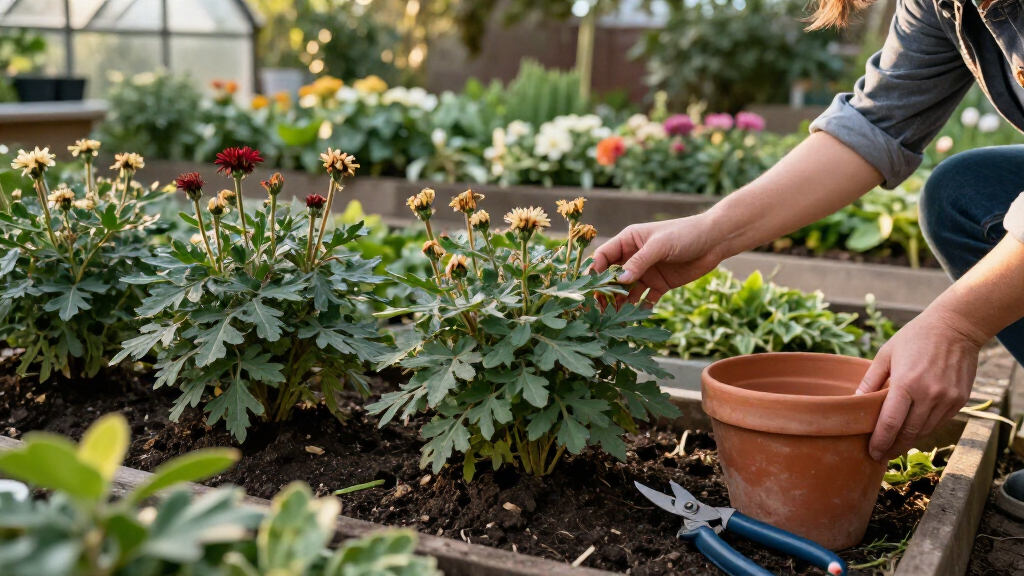
The report identifies four possible causes. First, a mum may simply have completed its flowering cycle. Once its buds have opened and the flowers fade, deadheading can tidy the plant but will not make it produce a new set of buds. To extend color across the season, the report says gardeners can choose a mix of early-, mid- and late-season varieties.
Light and moisture also affect flowering. Chrysanthemums do best with six to eight hours of bright sunlight, and buds that are still closed or just opening need sun to develop, according to guidance from Sunnyside Gardens in Minneapolis cited by Country Living. Mums have shallow roots and need regular watering to keep their soil consistently moist. For potted plants, the container should have drainage holes; for garden beds, Iowa State University Extension and Outreach recommends a two-inch layer of mulch to help conserve soil moisture.
Warm weather can shorten a mum’s bloom time, while cooler conditions may help flowers last longer. The report suggests buying later in fall if warm temperatures are a concern. It also distinguishes florist mums, commonly sold in wrapped pots at grocery stores and flower shops, from garden mums sold at nurseries and garden centers. Florist mums are generally intended for a short seasonal display; garden mums are more cold-hardy, but whether they survive winter depends on their variety and local conditions.
Choosing Mums for Longer Fall Color
Knowing why a mum stopped flowering helps set realistic expectations for a fall display. A plant at the end of its bloom cycle will not be coaxed into another flush by deadheading, while a plant with unopened buds may still need more sun, consistent moisture, or time. The distinction can help gardeners decide whether a change in care is useful or whether the display is naturally winding down.
Plant type also affects what to expect next year. A florist mum may be best treated as a temporary seasonal plant, while a garden mum may return if its cultivar can withstand the local winter and it receives suitable care. The report cautions that even garden mums can be difficult to carry over, so a plant tag and the local hardiness zone are more useful than assuming every mum is perennial in practice.
Popular right now

Philips 2200 Series Fully Automatic Espresso Machine with Classic Milk Frother, 2 Coffee Varieties, Intuitive Touch Display, Ceramic Grinder

Hisense 65-inch U6 Pro Mini-LED 4K UHD Smart Fire TV

KitchenAid Artisan 5-Qt Tilt-Head Stand Mixer – Dried Rose (KSM150PS)
As an affiliate, we earn on qualifying purchases.
Florist Mums Versus Garden Mums
The report says mums sold in cellophane-wrapped pots at grocery stores and flower shops are most likely florist mums. Although technically perennials, they are not bred to withstand winter weather and are described as a short-term way to add fall color. Country Living says they can be composted after their display ends.
Garden mums are more often sold at garden centers and nurseries with tags identifying the cultivar and the USDA Plant Hardiness Zones where it can survive. Bloom timing varies by variety. A guide from Sunnyside Gardens cited in the report says plants with mostly green buds generally begin flowering in about two weeks and may bloom for about six weeks. A mum purchased at peak bloom may have only two to three weeks of display remaining, while one bought mid-bloom may last about three to five weeks.
For a garden mum to have a better chance of blooming the following fall, the report recommends choosing a variety suited to the local zone and, especially in cold climates, considering spring planting so it has time to establish. It also advises removing spent flowers in fall but leaving the foliage in place over winter. Iowa State experts cited in the report recommend a protective layer of mulch in late fall.
“A mum with mostly green buds will generally begin blooming in about two weeks, then flower for about six weeks.”
— Sunnyside Gardens, Minneapolis, as cited by Country Living
What Determines a Mum’s Return
The guidance describes common causes, but the reason for any particular plant’s decline cannot be determined without details such as its variety, growing conditions, watering and local weather. A fading display alone does not establish that the plant is dead or that it was mishandled; it may simply have reached the end of its bloom cycle.
Whether a garden mum survives winter is also not guaranteed. The report says hardiness varies by cultivar and USDA zone, and notes that garden mums can be difficult to keep as perennials. It does not identify a single care method that will guarantee a return or a bloom the following year.
Care Steps for the Coming Season
For a mum still carrying unopened buds, gardeners can check whether it receives six to eight hours of sun and whether the soil is drying out between waterings. Faded flowers may be removed for appearance, but should not be expected to trigger another bloom. If the plant is a garden mum, its tag can help identify the cultivar and whether it is rated for the local hardiness zone.
Gardeners hoping for a return next fall can consider planting a suitable garden variety in spring, deadheading spent flowers in autumn, and leaving the old foliage in place through winter. Iowa State guidance cited by Country Living also recommends mulching in late fall and keeping the protective layer through winter. The plant’s survival and next season’s flowering will depend on its variety and conditions.
Key Questions
Will deadheading make my mum bloom again?
No. Country Living’s report says removing faded flowers can keep the plant tidy, but does not trigger a second flush after the mum has completed its bloom cycle.
How much sun do mums need to bloom?
The report says chrysanthemums do best with six to eight hours of bright sunlight. Closed or newly opening buds need sun to develop.
How can I tell whether my mum is a garden mum?
Garden mums are commonly sold at garden centers and nurseries with a plant tag listing the cultivar and suitable USDA Plant Hardiness Zones. Wrapped pots sold at grocery stores and flower shops are more likely to be florist mums.
Can garden mums bloom again next year?
They may, if the variety can survive the local winter and receives suitable care, but the report says success is not guaranteed. Spring planting, fall deadheading, leaving foliage over winter and adding protective mulch may improve the plant’s chances.
Source: countryliving.com