TL;DR

Get garden gear delivered free with Prime
- Fast, free delivery on millions of items
- Prime Video, Amazon Music and more included
- Member-only deals all year
Wildlife experts are warning that synthetic Halloween spider-web decorations hung outdoors can trap birds, bats and small mammals, including hedgehogs. They advise using solid decorations outside and keeping artificial webs indoors; anyone who finds an animal caught should contact a wildlife rescue for guidance.
Wildlife experts are urging people not to hang stretchy artificial spider webs outdoors for Halloween, warning that birds, bats and small mammals such as hedgehogs can become caught in the synthetic fibres. The decorations can tighten around animals as they struggle, while discarded or ingested material may also cause harm, according to experts quoted by Ideal Home.
Lucy Taylor, a wildlife expert at Vine House Farm, told Ideal Home that artificial cobweb decorations can be made from tough, stretchy plastic that wraps around wildlife rather than breaking apart under pressure. Mosh Latifi, co-owner of EcoCare Pest Management, said fine synthetic fibres can catch an animal’s wing, foot or leg, with struggling potentially pulling the strands tighter. Animals may also be at risk if they swallow pieces of plastic or mesh.
The report distinguishes between spray-on webbing and larger, stretchy or netted decorations. Latifi said dried spray-on material presents less of a tangling risk, but may still coat insects or remain in hedges and shrubs. He identified larger webbing with holes wide enough for a head, wing or leg to pass through as a particular concern when it is hung outdoors or left in place for weeks.
For anyone who finds an animal trapped, Taylor advises contacting a local wildlife rescue or organisation, such as the RSPCA, rather than immediately trying to free it. An animal may have injuries that are not visible. If a rescuer advises someone to intervene, Latifi says to stay calm, wear thick gloves and avoid pulling strands, which could tighten them. He recommends cutting the webbing away carefully with small, blunt-ended scissors only if it is safe to do so.
How Outdoor Webs Put Wildlife at Risk
The warning matters because Halloween webbing is designed to stretch and cling, properties that can make it difficult for an animal to escape once caught. Entanglement can affect wings and limbs, while ingestion may create choking or blockage hazards, Taylor told Ideal Home. The source does not quantify how often these incidents occur, but experts say the risk is avoidable by choosing decorations that do not form loops or mesh outdoors.
People who discover trapped wildlife also face a practical decision: a quick attempt to remove the decoration could worsen an injury or cause the animal to struggle more. Getting advice from a wildlife rescue first can help direct the response and reduce the chance of further harm. After an animal has been safely removed, the experts recommend taking down remaining outdoor web decorations.
Popular right now

KitchenAid Artisan Series 5-Quart Tilt-Head Stand Mixer, Dried Rose (KSM150PS)

Dyson Car+Boat Cordless Handheld Vacuum

Bose QuietComfort True Wireless Earbuds with Active Noise Cancellation, Black
As an affiliate, we earn on qualifying purchases.
Halloween Decoration Choices
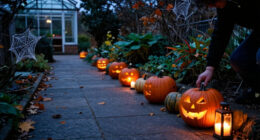
Artificial spider webs are commonly used as seasonal outdoor decorations, including on hedges and shrubs. The report says spray-on products have drawn wildlife warnings in previous years, while larger plastic webbing has become popular too. The experts’ concern is not limited to one style: stretchy fibres and net-like openings can create entanglement hazards when wildlife encounters them.
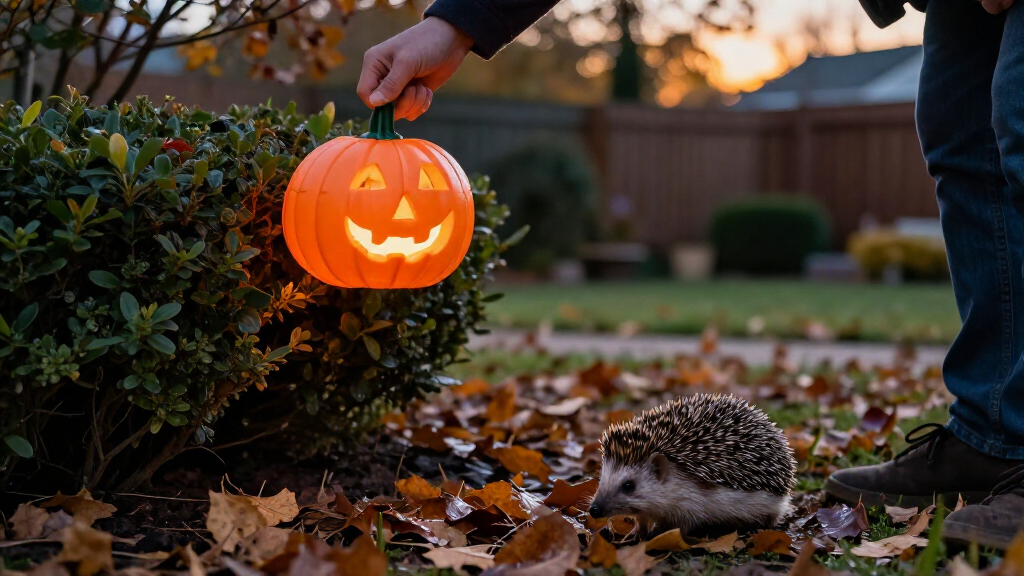
Experts quoted by Ideal Home suggest keeping artificial webs indoors, where wildlife is less likely to encounter them. Outdoors, they recommend solid decorations without plastic mesh, ropes, ribbons, string or similar materials that animals could become tangled in. Taylor also advised bringing decorative pumpkins inside at night, saying animals eating them may become unwell; the report does not identify which species or give details about the possible effects.
“Wildlife can easily become caught in fake spider web decorations commonly used around Halloween, especially the artificial cobwebs.”
— Lucy Taylor, wildlife expert at Vine House Farm, speaking to Ideal Home
What the Warning Does Not Establish
The source report does not provide incident figures, a measured risk level or evidence comparing how often different web products trap animals. It also does not identify specific brands or materials beyond describing spray-on products, stretchy synthetic fibres and larger netted webs. The warning is presented as expert guidance, not as a formal product recall or a report of a newly documented incident.
The source does not specify how long webbing remains hazardous after removal, or which wildlife species are most frequently affected. Taylor warns that ingestion may cause choking or internal blockage, but the report gives no case data or detailed veterinary assessment. Advice about pumpkins is also broad: the report does not name the animals that may become unwell or explain the effects.
Safer Steps for Halloween Displays
People planning outdoor decorations can choose solid, non-plastic items and avoid netting, cords and loose strands that could catch wildlife. Those who already own artificial webs can use them indoors, where they are less likely to entangle wild animals. Outdoor webbing should be removed rather than left on hedges or shrubs after Halloween.
If an animal is trapped, contact a local wildlife rescue or the RSPCA for instructions. Do not pull the material or attempt a risky release. If a rescue advises direct assistance, use protective gloves and follow its guidance; an injured or safely freed animal may still need professional attention. The source report gives no announced follow-up investigation or scheduled policy change.
Key Questions
Which Halloween decorations are wildlife experts warning about?
The warning focuses on stretchy synthetic spider webs and larger netted webs hung outdoors, especially on hedges or shrubs. Experts say the fibres and openings can catch animals.
Can spray-on Halloween webs also harm wildlife?
Latifi said dried spray-on webbing presents less of a tangling risk than stretchy webbing, but it can still coat small insects or remain in vegetation. The source does not quantify the risk.
What should I do if I find an animal caught in a decoration?
Contact a local wildlife rescue or the RSPCA for guidance before trying to free it. Experts warn that an animal may have injuries that are not immediately visible.
What can I use outdoors instead?
Experts recommend solid decorations without plastic mesh, ropes, ribbons or string. Artificial webs are better used indoors, where wild animals are less likely to encounter them.
Source: rss