TL;DR

Get garden gear delivered free with Prime
- Fast, free delivery on millions of items
- Prime Video, Amazon Music and more included
- Member-only deals all year
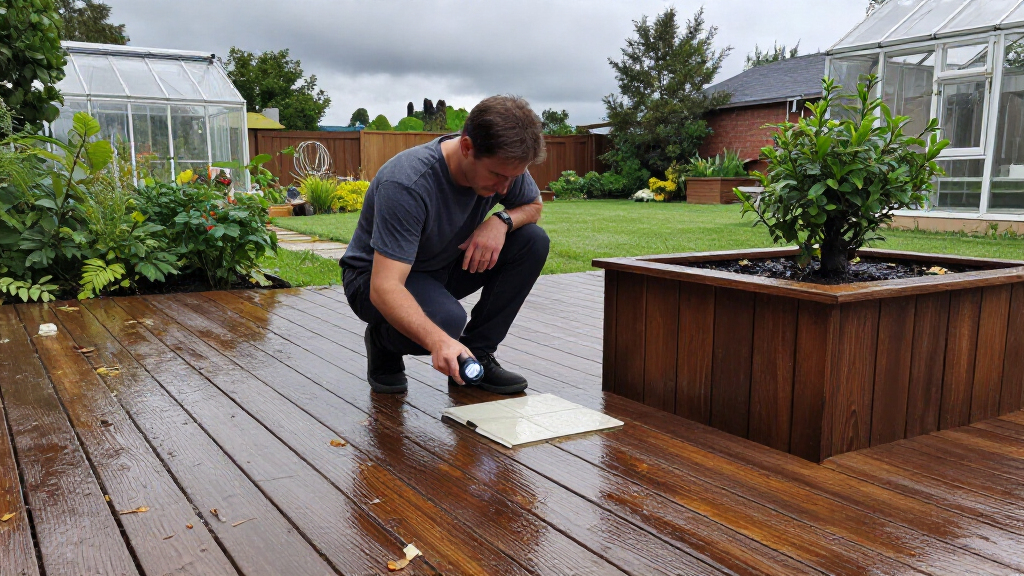
Ideal Home reports that garden experts recommend four post-storm patio checks: damage and debris, standing water, blocked drainage, and weakened garden structures. The advice follows heavy rain and high winds from Storm Austen and Storm Boelo in the UK; the report does not quantify damage or provide a forecast for further storms.
After high winds and heavy rain from Storm Austen and Storm Boelo affected UK gardens over a weekend, Ideal Home has published expert advice urging homeowners to inspect patios for surface damage, standing water, blocked drains and unstable garden structures. The checks are intended to help spot hazards and maintenance problems before further weather aggravates them.
The first check is for loose paving slabs, fallen branches, broken pots and other debris. Amber Tunney, plant buyer at Cherry Lane Garden Centres, says fallen items can create trip hazards. Andrew White, an outdoor expert at Harbour Lifestyle, advises clearing leaves and debris, using a soft-bristled brush on delicate paving and choosing a cleaner suited to the paving material.
Homeowners should also look for puddles that remain after rainfall, washed-out joints between slabs and water collecting near walls, fences or pergola posts. White says persistent standing water can weaken paving joints. If temperatures fall below freezing, water can expand and make existing cracks worse. The report suggests checking whether drainage channels are clear and removing leaves from them rather than pushing debris into corners.
The fourth check is the condition of fences, pergolas, screens and outdoor furniture. White recommends looking for leaning posts, loose fixings, movement around joints, rust on metal frames and splits in wooden connections. The report advises using furniture covers or storing items when practical, but it does not establish that any specific product is necessary.
Spotting Patio Problems Before They Worsen
These checks matter because problems that are easy to miss after a storm can create trip hazards or allow water damage to worsen. A loose slab or damaged joint may become more difficult to repair if water continues to collect, while an unstable fence or pergola can be affected by later wind. Clearing debris and identifying drainage problems also helps homeowners distinguish routine cleanup from an issue that may need professional attention.
The advice is practical rather than a report of measured damage: Ideal Home does not cite a survey, repair-cost estimate or count of affected properties. Its central point is to inspect and address visible problems before the next spell of severe weather, while taking care to use cleaning products appropriate for the patio surface and safe around pets and wildlife.
Popular right now

Samsung 48-Inch S90H OLED 4K Smart TV (2026)

Ninja Specialty Coffee Maker CM401, 10-Cup Carafe, Fold-Away Frother, Black

Bose QuietComfort True Wireless Earbuds with Active Noise Cancellation, Black
As an affiliate, we earn on qualifying purchases.
Advice Following Austen and Boelo
The Ideal Home report links its guidance to a weekend of heavy rain and high winds associated with Storm Austen and Storm Boelo in the UK. It notes that puddles, debris and broken furniture can be among the immediate effects in gardens, then focuses on patio maintenance rather than broader storm impacts.
The article presents comments from two outdoor and garden specialists. Tunney highlights damage and trip risks; White discusses debris removal, pooling water, drainage and garden structures. The report also mentions potential freezing weather as a reason standing water can worsen cracks, but does not state that a freeze or further storm is forecast.
“After a storm, check your patio for any damage, particularly loose paving slabs, fallen branches or broken plant pots that could be a trip hazard.”
— Amber Tunney, plant buyer at Cherry Lane Garden Centres
Damage and Forecast Details Not Provided
The report does not give a survey of damage caused by the storms, identify particular affected locations or estimate repair costs. It also does not provide a publication date, detailed storm timeline or current forecast for further severe weather. The cited advice is general and does not establish that every patio exposed to rain or wind has sustained damage.
It remains unclear how severe any individual homeowner’s drainage or structural problem may be from a visual check alone. White says persistent pooling after drains are cleared is a reason to have patio drainage assessed; the report does not specify assessment costs, timelines or a single repair method for all paving types.
Inspect, Clear and Recheck the Patio
Homeowners can begin by clearing leaves and debris, then checking paving, joints, drainage channels and garden structures for visible damage. Cleaning products should be appropriate for the paving material and used according to the manufacturer’s instructions; the report advises choosing products safe around pets and wildlife. Take care around unstable items and avoid treating a visual inspection as confirmation that a structure is safe.
If water continues to pool after channels are cleared, White recommends having drainage assessed. The next practical step is to monitor the patio after subsequent rain and address loose slabs, fixings or other damage before it worsens. The report does not announce a formal inspection programme or further update; any additional action depends on what homeowners find and on local weather conditions.
Key Questions
What four things should I check on my patio after a storm?
Check for damage and debris, persistent puddles, blocked drains and gutters, and weakened garden structures such as fences or pergolas.
Why should standing water be checked?
Andrew White says persistent water can weaken paving joints. If temperatures fall below freezing, water may expand and worsen existing cracks.
What should I do if water still pools after I clear the drains?
White recommends having the patio’s drainage assessed if pooling continues after blocked channels have been cleared.
How should I clear debris from delicate paving?
White advises using a soft-bristled brush on delicate paving to reduce the risk of scratching it. Any cleaner should suit the paving material and be used according to its manufacturer’s instructions.
Which parts of garden structures should I inspect?
Look for leaning posts, loose fixings, movement around joints, rust on metal frames and splits in wooden joints, including on fences, pergolas and screens.
Source: idealhome.co.uk