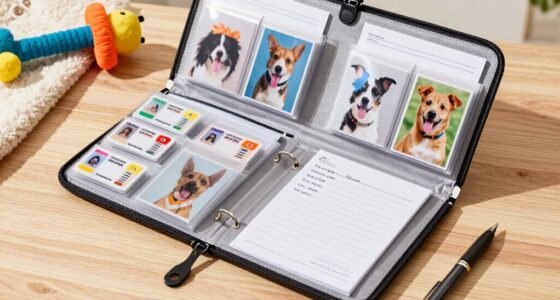
To prepare for emergency boarding, make sure you have all necessary forms organized in advance. This includes vaccination records, emergency contact info, and special care instructions for any medical needs or dietary restrictions. Keep copies at home and with the boarding facility for quick access. Label all items clearly and maintain an up-to-date health history sheet. Staying proactive with these documents helps ensure your pet’s safety. Continue to explore more tips to stay fully prepared.
Key Takeaways
- Complete and organize vaccination records and medical forms required for boarding admission.
- Prepare emergency contact and authorization forms for quick access during crises.
- Document special care instructions for medical needs or dietary restrictions.
- Keep copies of all forms at home and with the boarding facility for redundancy.
- Review and update all documentation regularly to ensure accuracy and completeness.
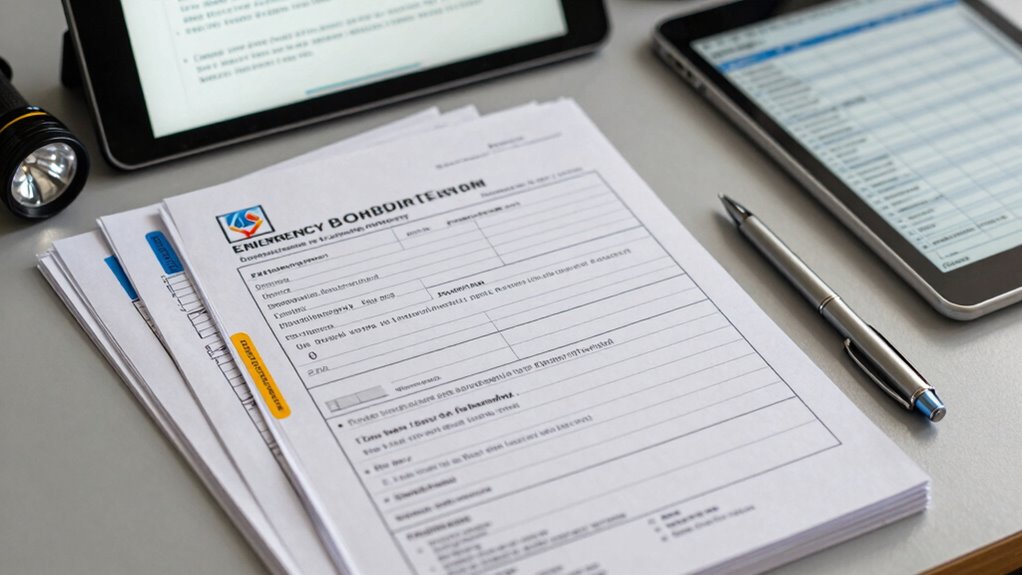
When an emergency arises that requires immediate evacuation, being prepared can make all the difference. You need to have a plan in place, especially when it comes to pet safety. Confirming your pet’s well-being during a crisis involves more than just grabbing their leash or carrier; it means having all the necessary documentation and arrangements ready ahead of time. One key step is choosing the right boarding facility before an emergency occurs. You want a facility that’s trustworthy, well-equipped, and familiar with emergency procedures. Taking the time to research and visit potential boarding options ensures you know their safety protocols, staff training, and accommodations. This way, if you need to evacuate quickly, you already have a trusted place in mind.
Choosing a trustworthy, well-equipped boarding facility ensures swift, safe pet evacuation during emergencies.
Equally important is handling the necessary forms beforehand. These forms include vaccination records, emergency contact information, and any special care instructions your pet may require. Having these documents organized and accessible saves precious time during a crisis. When selecting a boarding facility, ask what documentation they need and confirm you keep copies at home and with the facility itself. This preparation guarantees that your pet can be admitted swiftly and safely, without delays caused by missing paperwork. It also helps staff provide the appropriate care, especially if your pet has specific medical needs or dietary restrictions. Preparing medical records in advance can help streamline this process and ensure your pet receives the proper treatment without delay. Additionally, keeping your pet’s health information up to date ensures all caregivers have current details about your pet’s needs.
You should also maintain an updated emergency kit for your pet. This kit should include essentials like food, water, medications, and comfort items. Label everything clearly with your pet’s name and your contact information. Alongside this, prepare a list of your pet’s medical history, including recent vet visits, allergies, and current medications. Keep copies of these records with your emergency kit and give a copy to the boarding facility, if possible. This way, even if you’re unavailable, the caregivers have quick access to critical information. Additionally, understanding emergency procedures can help you better coordinate with the boarding facility and emergency responders. Remember that being aware of emergency protocols can significantly improve your response time and your pet’s safety in crisis situations.
Finally, communicate your emergency plan clearly with anyone involved in your pet’s care. Make sure your trusted contacts know your evacuation plans, the location of the boarding facility, and how to reach you. The more prepared you are with the right forms, documentation, and a verified boarding option, the smoother your evacuation process will be. Remember, in emergencies, quick access to the right information and a reliable plan can notably impact your pet’s safety and comfort. Preparation isn’t just about logistics; it’s about peace of mind for you and safety for your furry friend.

Pet Sitter & Boarding Instructions Handbook: An Organizer for Medical Records, Emergency Contacts, Feeding Schedules, and Daily Care Routines for Dogs and Cats
As an affiliate, we earn on qualifying purchases.
As an affiliate, we earn on qualifying purchases.
Frequently Asked Questions
How Often Should I Review and Update My Emergency Boarding Forms?
You should review and update your emergency boarding forms at least once a year to guarantee they stay current. This process includes form renewal and adjusting for any changes in procedures or contacts. Regular reviews help keep your staff trained on the latest protocols and ensure everyone’s prepared. Incorporate staff training sessions during these updates so your team remains confident and ready to act swiftly in an emergency.
Are Digital Copies of Emergency Forms Accepted by Authorities?
Yes, digital copies of emergency forms are generally accepted by authorities, but it’s wise to check local regulations first. Digital acceptance can be a game changer, saving you time and effort. Always verify your forms to make sure they’re complete and up-to-date, as authorities may request verification. Keep digital backups handy, but having printed copies as backup is a good idea—better safe than sorry when seconds count.
What Specific Information Is Mandatory on Emergency Boarding Forms?
You must include essential details like your full name, contact info, and emergency contacts on boarding forms. Also, provide medical information, allergies, and any special needs. Accurate, up-to-date forms help streamline boarding procedures and guarantee safety protocols are followed swiftly during emergencies. By preparing these details in advance, you make evacuation easier and safer for everyone involved, minimizing delays and confusion during critical situations.
Who Should Be Designated as the Emergency Contact on These Forms?
Did you know that 70% of emergency contacts are chosen based on their proximity and availability? You should designate someone who is reliable, reachable, and familiar with your medical history or needs. The designation criteria include their ability to make quick decisions and provide support. An emergency contact should be someone you trust implicitly, like a close family member or longtime friend, ensuring they’re prepared to step in when urgent situations arise.
How Can I Ensure the Confidentiality of Sensitive Information on the Forms?
To guarantee the confidentiality of sensitive information on the forms, you should use data encryption to protect the data during storage and transmission. Additionally, implement strict access control measures, allowing only authorized personnel to view or modify the information. Regularly review access permissions, keep software updated, and educate staff about confidentiality protocols. These steps help safeguard the data and maintain trust during emergency boarding situations.
Conclusion
Now that you know the essential forms and steps to prepare, you’re almost ready for anything. But what if the unexpected strikes when you least expect it? Will you have everything in place, or will a vital document be missing when it matters most? Don’t wait until it’s too late—double-check your preparations now. The next emergency could be around the corner. Are you truly ready to handle it? Stay prepared, stay vigilant.