
Heated cat shelters often fail because owners overlook key safety and design factors, like proper insulation, weatherproofing, and ventilation. Without these, moisture and cold air seep inside, making heaters less effective and risking safety hazards like short circuits or fires. Poorly designed shelters can trap moisture or fail to keep cats warm. If you want to understand what simple mistakes lead to failure—and how to avoid them—there’s more to take into account.
Key Takeaways
- Using electrical devices not rated for outdoor use can cause short circuits and fires.
- Poor shelter sealing allows moisture and cold air to infiltrate, undermining heating efforts.
- Inadequate ventilation leads to condensation buildup, reducing warmth and creating safety hazards.
- Insufficient insulation causes heat loss, making heaters ineffective in maintaining warmth.
- Improper placement of heaters can result in uneven heating and cold spots inside the shelter.

Have you ever wondered why heated cat shelters often fail to keep outdoor cats warm? The answer usually comes down to one overlooked factor: cat shelter safety. While the idea of a heated shelter seems straightforward—plug it in, and the cats stay cozy—the reality is more complex. Many pet owners and caregivers forget that an unsafe or poorly designed shelter can do more harm than good, especially during winter outdoor care. When a shelter isn’t built with safety in mind, it can become a trap rather than a refuge, exposing cats to cold air, moisture, or dangerous electrical issues.
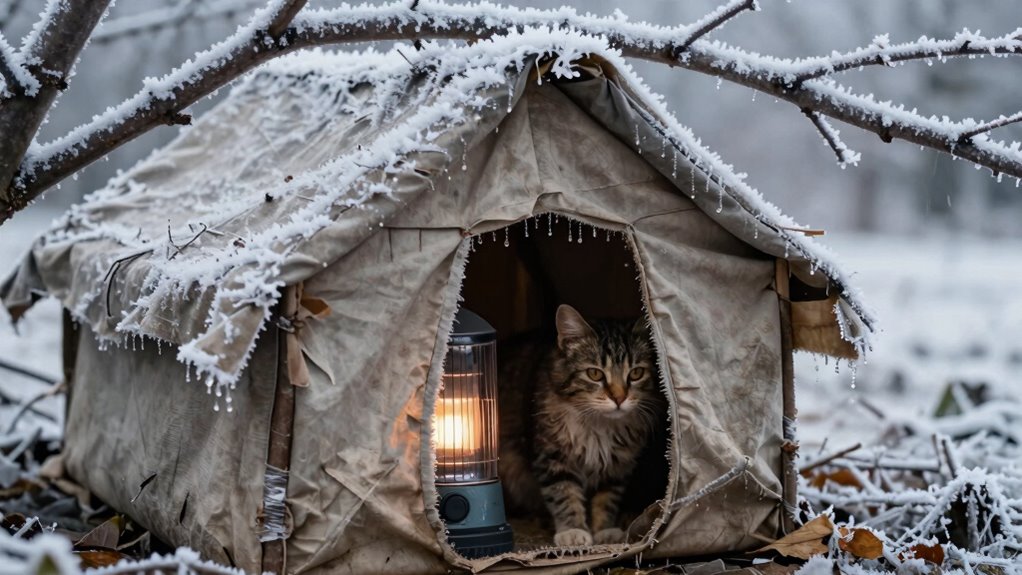
One common mistake is using electrical devices that aren’t specifically designed for outdoor use. Regular space heaters or extension cords may seem like a quick fix, but they often lack proper insulation or weatherproofing. If these devices aren’t rated for outdoor use, they can malfunction, short circuit, or even cause fires, putting the cats at risk. Additionally, improper placement of heaters can lead to uneven heating, leaving some parts of the shelter cold and damp. This defeats the purpose of winter outdoor care and can make cats more vulnerable to hypothermia or frostbite.
Another critical aspect of cat shelter safety is ensuring the shelter itself is insulated and waterproof. Even the best heater won’t help if rain, snow, or wind can seep inside. If moisture gets in, it can quickly undermine the warmth provided by the heater, creating a damp environment that’s worse than cold air. Properly sealing the shelter, elevating it off the ground, and using insulating materials are essential steps. Without these precautions, the heat from the device can escape, and the shelter becomes an ineffective winter outdoor care solution. It’s equally important to assess shelter design to prevent moisture buildup and maintain consistent warmth. Incorporating weatherproofing techniques can significantly improve the shelter’s effectiveness and safety. Ensuring that the shelter is properly ventilated is also crucial to avoid dangerous buildup of condensation and carbon dioxide. A well-ventilated shelter not only keeps the air fresh but also helps prevent dangerous moisture accumulation inside, which can compromise both safety and warmth.

Large Heated Cat House for Outside 21x17x17 in with Elevated Base Cat-Attracting Eave Design Feral Stray Shelter,Intelligent Controller and Waterproof Cat Heated House Shelter for Outdoor
【Heated Cat House】The Bestio outdoor cat house features five layers of premium insulation material, with a waterproof outer…
As an affiliate, we earn on qualifying purchases.
As an affiliate, we earn on qualifying purchases.
Frequently Asked Questions
How Do I Choose the Best Heated Cat Shelter?
To choose the best heated cat shelter, look for one with high insulation quality to keep your cat warm in cold weather. Make sure it’s made from durable materials for long-lasting shelter durability, even in harsh conditions. You should also check that the shelter has safe, reliable heating elements and easy access for cleaning. Prioritize these features to create a cozy, reliable refuge that withstands the elements and keeps your cat safe and comfortable.
Are Heated Shelters Safe for Outdoor Cats?
Yes, heated shelters are generally safe for outdoor cats when designed properly. They help with temperature regulation, keeping your cat warm during cold weather. Just make certain they have a reliable power source and are protected from weather elements. Check for power safety features like insulated cords and sturdy wiring. Regularly inspect the shelter for any damage or electrical issues to keep your feline friend safe and comfortable.
What Maintenance Do Heated Cat Shelters Require?
Did you know that poorly maintained shelters can lead to a 50% increase in cold-related issues for outdoor cats? You should regularly check your heated cat shelter’s insulation and heating system. Make certain the insulation stays dry and intact, and test the heater to confirm it’s working properly. Clean the system’s components monthly, and replace any damaged parts promptly to keep your feline friends warm and safe.
Can Heated Shelters Be Used Year-Round?
Yes, you can use heated shelters year-round if you consider animal behavior and shelter placement. During warmer months, make certain the shelter’s ventilation is adequate to prevent overheating and discomfort. Proper placement is vital to avoid direct sunlight or drafts, which can affect temperature control. By observing your cat’s behavior and adjusting the shelter’s position accordingly, you provide a safe, comfortable environment throughout all seasons.
How Do I Monitor My Cat’s Comfort in the Shelter?
To monitor your cat’s comfort in the shelter, regularly check the temperature monitoring device you’ve set up. Observe your cat’s behavior—are they cuddling, hiding, or seem restless? Conduct comfort assessments by watching for signs of distress or coldness, like shivering. Adjust the shelter’s heating if needed, ensuring it stays within a safe, cozy range. Consistent monitoring helps keep your feline friend comfortable and safe year-round.

Texsens Outdoor Cat House – Weatherproof Large Cat Shelter for Outside with Roof Window- Insulated Elevated House for Stray/Barn Cats with Cozy Cushion – Ideal Waterproof Feral Cat House
Spacious Cat House – 25.19 x 13 x 16.92 inches (approx. 64 x 33 x 43 cm) size…
As an affiliate, we earn on qualifying purchases.
As an affiliate, we earn on qualifying purchases.
Conclusion
If you think heated cat shelters are a foolproof solution, think again—you’re risking more than just a chilly nap. The one common reason they fail is often overlooked, turning a well-intentioned rescue into a heartbreaking flop. Don’t let your kindness fall flat; make certain you understand the critical pitfalls before investing. Otherwise, you might be unknowingly playing a game of thermal roulette with your feline friends’ lives, and that’s a gamble nobody should take.

New Age Pet ECOFLEX Albany Outdoor Cat House, Weather‑Resistant, Dual Door Flaps, 21" W x 20" H
ECOFLEX Construction – Made from recycled polymers and wood fiber blend for long‑lasting, moisture and odor‑resistant outdoor use….
As an affiliate, we earn on qualifying purchases.
As an affiliate, we earn on qualifying purchases.
Large Heated Cat House for Outside 21x17x17 in with Elevated Base Cat-Attracting Eave Design Feral Stray Shelter,Intelligent Controller and Waterproof Cat Heated House Shelter for Outdoor
【Heated Cat House】The Bestio outdoor cat house features five layers of premium insulation material, with a waterproof outer…
As an affiliate, we earn on qualifying purchases.
As an affiliate, we earn on qualifying purchases.