
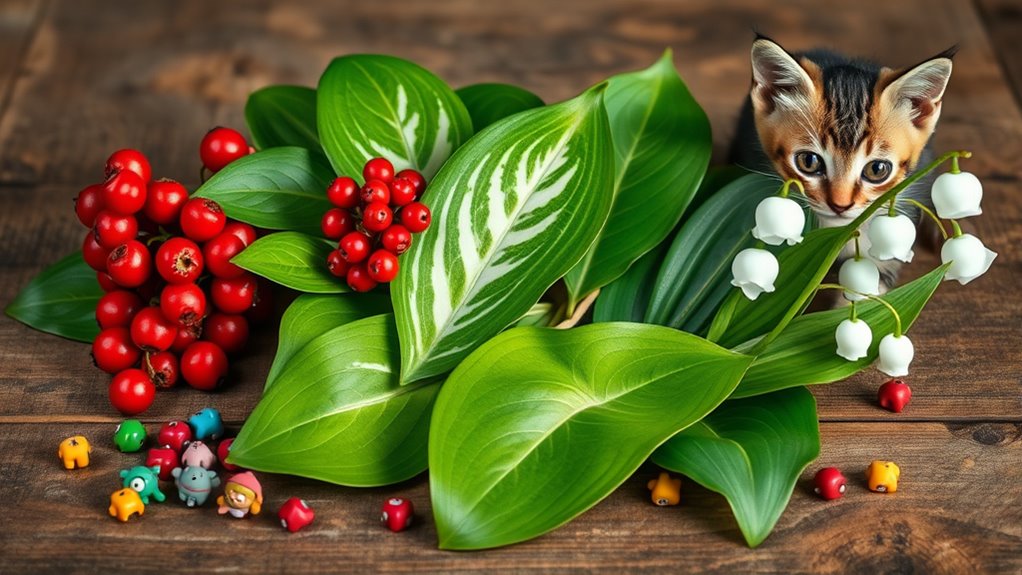

Keep your pets safe by avoiding toxic plants like lilies, azaleas, and tulips, which can cause severe reactions if ingested. Also, store household chemicals such as antifreeze, cleaning agents, and insecticides securely out of their reach, as even small amounts can be deadly. Look out for symptoms like vomiting, diarrhea, or breathing trouble, and act quickly if you suspect poisoning. Staying informed about these dangers is key—discover more ways to protect your pets now.

Get garden gear delivered free with Prime
- Fast, free delivery on millions of items
- Prime Video, Amazon Music and more included
- Member-only deals all year
Key Takeaways
- Keep common toxic plants like lilies, azaleas, and tulips out of reach of pets to prevent poisoning.
- Store household chemicals, including antifreeze and cleaning agents, securely away from pets to avoid accidental ingestion.
- Recognize symptoms of poisoning such as vomiting, diarrhea, and difficulty breathing for prompt veterinary action.
- Educate yourself on which plants and chemicals are toxic to your pets to enhance home safety.
- Always follow proper storage guidelines and contact a veterinarian immediately if poisoning is suspected.
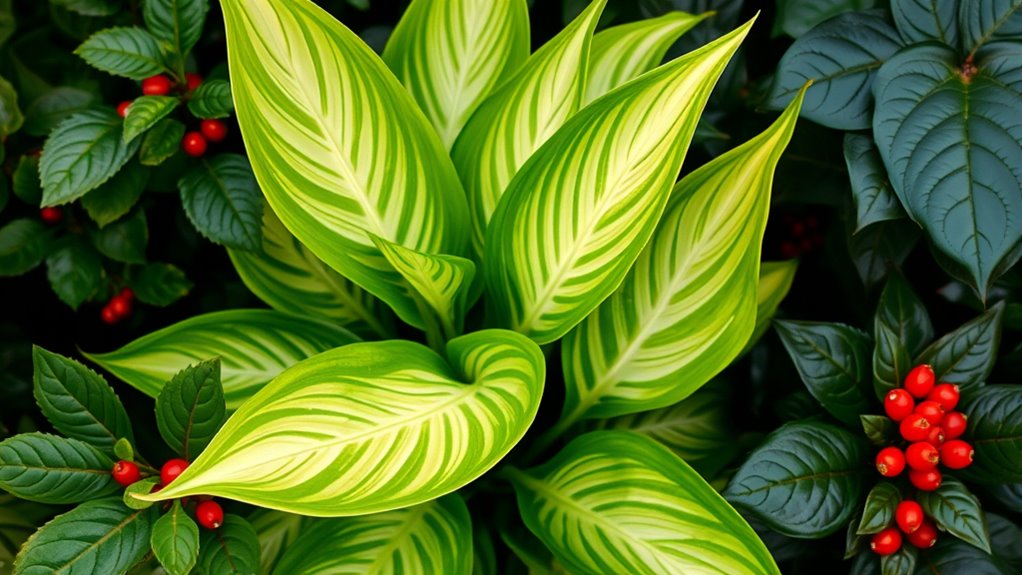
Many common plants and household substances can be deadly to your pets, so it’s indispensable to know what to keep out of their reach. Recognizing plant toxicity is pivotal because many popular houseplants and outdoor plants contain chemicals that can harm animals if ingested. For example, lilies, azaleas, and tulips are highly toxic to cats and dogs. Even small amounts can cause severe reactions, including vomiting, diarrhea, difficulty breathing, or worse. If your pet shows any signs of illness after being around plants, seek veterinary help immediately. It’s also important to understand that plant toxicity isn’t limited to just outdoor or ornamental plants; many household plants can pose a danger as well, especially if your pet has a habit of chewing on foliage.
In addition to plant toxicity, household chemicals present a significant risk. Cleaning agents, antifreeze, insecticides, and even certain home improvement supplies contain chemicals that are highly toxic to pets. For instance, antifreeze contains ethylene glycol, which is sweet-tasting but deadly to animals even in small quantities. Many household cleaners contain chemicals that can cause burns, poisoning, or internal damage if ingested or even if they come into contact with your pet’s skin. It’s imperative to store all chemicals securely, ideally in cabinets with childproof locks, and never leave them out where your pet can access them. Accidental ingestion can lead to serious health issues, including kidney failure, respiratory distress, or neurological problems.
Furthermore, many household chemicals can cause skin or mucous membrane irritation upon contact. Always read labels carefully and follow instructions for safe storage and disposal. If you suspect your pet has come into contact with a toxic substance, whether a plant or household chemical, contact your veterinarian immediately. Do not try to induce vomiting or give your pet any home remedies without professional advice, as some substances can cause more harm if they are vomited up or if you attempt to treat them improperly. Prevention remains the best approach—know which plants and household substances are poisonous, keep them out of reach, and educate yourself on the signs of poisoning so you can act quickly if needed. Your proactive efforts can save your pet’s life.
Popular right now

LG OLED evo C4 55-Inch 4K Smart OLED TV (OLED55C4PUA) with 144Hz Refresh Rate, HDMI Cable, 24-Month Protection Plan, and Streaming Bundle

Roborock Q7 M5+ Robot Vacuum and Mop with Self-Emptying Dock

Apple AirPods Pro (2nd Generation) Wireless Earbuds with USB-C MagSafe Charging Case
As an affiliate, we earn on qualifying purchases.
Frequently Asked Questions
Can Pets Develop Allergies to Certain Plants or Substances?
You might wonder if your pets can develop allergies to certain plants or substances. Yes, they can experience a plant allergy, which may cause symptoms like itching, swelling, or respiratory issues. Usually, symptoms onset after exposure, so watch for changes in behavior or health. If you notice these signs, consult your vet promptly. Identifying and avoiding the allergen helps keep your pet safe and comfortable.
Are There Safe Alternatives to Toxic Plants for Pet Owners?
While you want a beautiful space, safety matters most. Instead of risky plants, opt for pet-safe plants like spider plants, Boston ferns, or areca palms. These non-toxic alternatives brighten your home without harming your pets. By choosing non-toxic options, you create a safer environment where your pets can explore and play freely. Keep your home vibrant and secure, making thoughtful choices that prioritize your pet’s health and happiness.
How Quickly Do Symptoms Appear After Ingestion of Toxins?
When your pet ingests a toxin, symptom onset can vary depending on the substance and amount ingested. Usually, signs appear within minutes to a few hours after ingestion, following the typical ingestion timeline. You should monitor your pet closely during this period. If symptoms develop quickly, seek veterinary care immediately. Prompt action can make a significant difference in their recovery, so knowing the expected timeline helps you respond effectively.
What First Aid Steps Should I Take if My Pet Ingests a Toxic Substance?
When your pet ingests a toxic substance, act swiftly and stay calm. First, phone a pet emergency number or poison control for guidance. Do not induce vomiting unless instructed, and remove any remaining toxin. Keep your pet comfortable and monitor for symptoms. Follow the expert advice carefully, providing details about what was ingested. Quick, calm actions can make a difference in managing the emergency effectively.
Are Indoor Plants Generally Safer or Riskier for Pets?
Indoor plant safety varies, but generally, it’s safer if you choose pet-friendly plants. You should always monitor pet plant exposure and keep toxic plants out of reach. While some indoor plants are non-toxic, others can cause harm if ingested. You’re responsible for ensuring your pets don’t chew on or swallow risky plants, so research and select safe options to minimize potential dangers and protect your furry friends.
Conclusion
Just like Pandora’s box, some plants and substances can release unforeseen harm on your pets. Stay vigilant and keep these dangers out of their reach, because a moment of neglect can turn into a Pandora’s box of health issues. Protect your furry friends by knowing what to avoid. Remember, your home should be a safe haven, not a treacherous jungle. Guard carefully, and your pets will thank you for it.