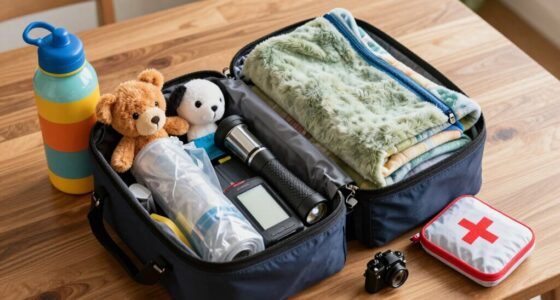
To keep your outdoor pets safe during winter, provide proper clothing like sweaters and booties made from waterproof or windproof materials, and introduce these gradually. Build a sturdy, insulated shelter in a sheltered spot, elevate it off the ground, and regularly check for drafts, dampness, or snow buildup. Make certain they have access to unfrozen water and consider bringing them inside during extreme cold. Staying vigilant and aware of their comfort will help them survive harsh weather conditions – explore further tips to enhance their protection.

Get garden gear delivered free with Prime
- Fast, free delivery on millions of items
- Prime Video, Amazon Music and more included
- Member-only deals all year
Key Takeaways
- Provide properly fitted, waterproof clothing and introduce it gradually to keep pets warm and comfortable.
- Build insulated, windproof shelters in shaded areas, elevated off the ground, with small entrances to block drafts.
- Regularly inspect and maintain shelters for dryness, sealing drafts, and adding straw or insulation for extra warmth.
- Ensure access to heated water sources and consider bringing outdoor pets inside during extreme cold spells.
- Monitor pets for signs of discomfort, adjust their protection accordingly, and stay vigilant to weather changes.

As winter approaches, outdoor pets face increased risks from cold temperatures, snow, and icy conditions. It’s essential to take proactive steps to keep them safe and comfortable throughout the season. One of the most effective ways to do this is by guaranteeing they have proper winter clothing. Pet sweaters, jackets, or even booties can help insulate their bodies and paws against harsh weather. Choose clothing made from waterproof or windproof materials to prevent moisture from seeping in, which can lead to hypothermia. Remember, not all pets tolerate clothing easily, so introduce new winter gear gradually and observe their reactions. If your pet shows signs of discomfort, don’t force them; instead, look for alternative ways to keep them warm.
In addition to clothing, the shelter construction plays a crucial role in outdoor pet safety during winter. Your pet’s shelter should be sturdy, well-insulated, and positioned in a way that offers maximum protection from wind, snow, and rain. Use insulated materials like foam boards or straw bedding—these provide better warmth than blankets alone. Elevate the shelter off the ground to prevent cold from seeping in from the cold surface. Make sure the entrance is small enough to block wind but large enough for your pet to enter comfortably. Properly sealed and insulated shelters keep the inside warmer and prevent drafts, which can drastically reduce your pet’s risk of frostbite and hypothermia. Keep the shelter dry, as moisture can chill your pet quickly, so regularly check for leaks or dampness. Additionally, self watering plant pots can be used to create a heated water source for outdoor animals, ensuring they have access to fresh water even in freezing conditions. Using a proper shelter design that accounts for windbreaks and natural insulation can significantly improve your pet’s comfort and safety. It’s also beneficial to add insulating materials inside the shelter to retain more heat during the coldest nights. Incorporating additional insulating layers can further enhance warmth and protection against the cold.
You should also consider placing the shelter in a shaded, sheltered spot, such as against a building or under a tree, to shield it from wind and snowdrifts. Regularly inspect and clean the shelter to remove snow buildup and ensure it remains dry. Providing additional bedding, like straw or hay, will help insulate your pet further, especially during the coldest nights. Ensuring proper ventilation inside the shelter is important to prevent condensation and maintain air quality, which is essential for your pet’s health. If your outdoor pet’s shelter isn’t well-constructed or adequately insulated, it’s worth investing in improvements or, better yet, bringing them inside during the coldest parts of winter. Remember, even with the best shelter and clothing, outdoor pets need extra attention in winter. Prioritize their safety by staying vigilant and making adjustments as weather conditions change.
outdoor pet winter coat waterproof
As an affiliate, we earn on qualifying purchases.
As an affiliate, we earn on qualifying purchases.
Frequently Asked Questions
How Can I Tell if My Pet Is Suffering From Frostbite?
If you suspect your outdoor pet has frostbite, look for pet frostbite symptoms like pale, hard, or cold skin, especially on ears, paws, or tail. Keep an outdoor pet temperature awareness; if it’s extremely cold, take extra precautions. Gently check your pet’s affected areas, and if you notice any signs, warm them gradually and seek veterinary care promptly. Acting quickly can save your pet from serious injury.
Are Certain Dog Breeds More Resistant to Cold Weather?
Did you know that Siberian Huskies and Alaskan Malamutes have a breed resilience that makes them well-suited for cold climates? Their thick coat thickness acts as natural insulation, helping them withstand harsh winter conditions. If you’re considering outdoor pets in winter, these breeds are more resistant to cold weather, but still need proper shelter. Understanding breed resilience and coat thickness helps you choose the right dog for outdoor living in winter.
How Often Should I Check My Outdoor Pet During Winter?
During winter weather, you should check your outdoor pet at least every few hours to guarantee their safety. Frequent checks help prevent hypothermia, frostbite, and other cold-related issues. Keep an eye on their behavior, shelter condition, and warmth. If you notice any signs of distress or discomfort, bring them inside immediately. Regular monitoring is essential for pet safety, especially in harsh winter conditions, to keep your furry friend healthy and safe.
Can Outdoor Cats Survive Extreme Cold Without Shelter?
Think of a cat in extreme cold as a fish out of water. Without proper shelter, outdoor cats struggle to stay warm, risking hypothermia or frostbite. A sturdy cat shelter provides vital outdoor warmth, helping them survive harsh conditions. While some cats have thick coats, they still need protection from wind and snow. If you want your outdoor feline to thrive, make sure they have a safe, insulated shelter during winter’s worst.
What Signs Indicate My Pet Is Hypothermic?
You should watch for signs of hypothermia, like shivering, lethargy, and clumsiness, which indicate your pet is cold-stressed. If they’re unresponsive or their gums turn pale or bluish, act immediately. Preventing cold stress involves providing shelter and keeping your pet dry. Recognizing these signs early helps you intervene before hypothermia worsens, ensuring your outdoor pet stays safe and warm during winter.
Conclusion
Remember, an ounce of prevention is worth a pound of cure. Keep your outdoor pets warm, dry, and protected from harsh elements, especially during winter’s coldest days. Regular shelter checks, proper nutrition, and monitoring their behavior go a long way in ensuring they stay safe and healthy. By staying vigilant and caring for your furry friends, you’ll both weather the winter storms better — because, after all, a prepared pet is a happy pet.
Halloween Picks
halloween
As an affiliate, we earn on qualifying purchases.